Hydrangea macrophylla is a species of flowering plant in the family Hydrangeaceae, native and endemic to Japan. Hydrangea plants come in colors like red, blue, and purple. The base for these colors is a pigment called anthocyanin. This pigment is naturally red. It turns blue when it reacts with aluminum dissolved from the soil.
Consequently, Hydrangea plants that absorb a lot of aluminum become blue, those that absorb none become red, and those in between become purple. Thus, the color of a hydrangea plant changes based on how much aluminum it absorbs from the soil, which depends on the water’s acidity. Acidic soil helps the plant absorb more aluminum (resulting in blue flowers), while neutral to alkaline soil prevents this absorption (resulting in red or pink flowers). Hydrangea plants with white flowers do not contain anthocyanin pigments, so their color never changes. The chemical reaction inside the plant is like this: the aluminum ions bind with the anthocyanin pigments and this reaction forms a blue complex, causing the plant’s flowers to turn blue instead of their usual red. Under natural conditions, in neutral or alkaline soil, aluminum does not dissolve well, so the plant absorbs very little aluminum, leaving the anthocyanins in their natural red state.
In the Utsubuna region in the town of Nanbu in Yamanashi Prefecture, Japan, there is a park, Utsubuna Park, where about 30,000 hydrangea plants representing about 70 different cultivars are grown across a 2.5-hectare (6.2-acre) site. The town of Nanbu is hosting the 23rd Nanbu Hydrangea Festival at Utsubuna Park from June 12 through June 21, 2026.
Hydrangea macrophylla: https://en.wikipedia.org/wiki/Hydrangea_macrophylla
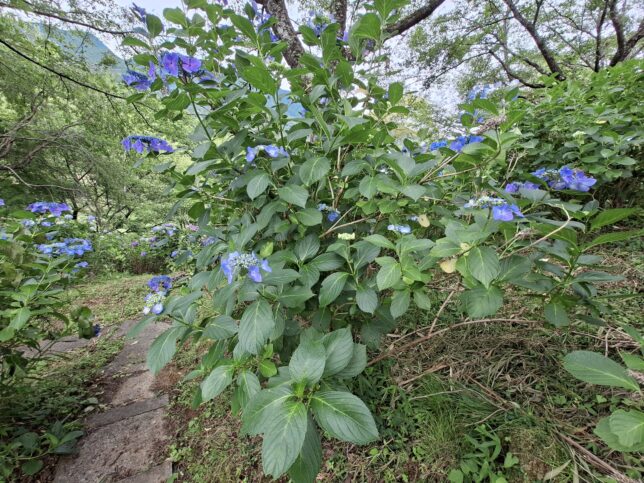
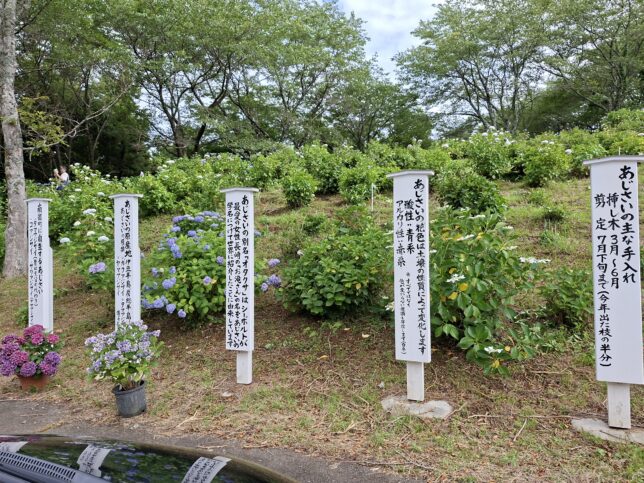
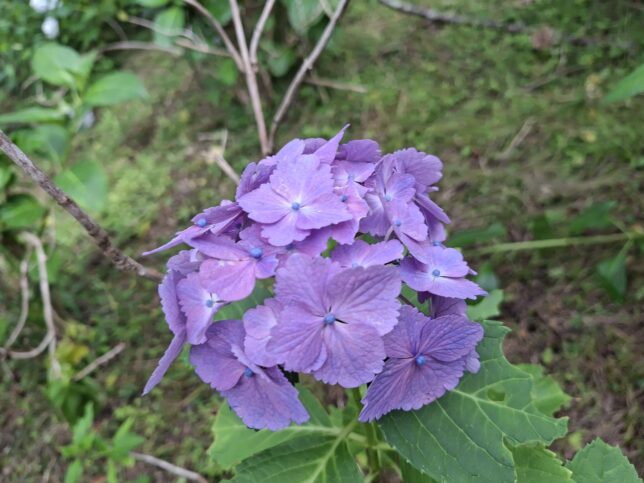
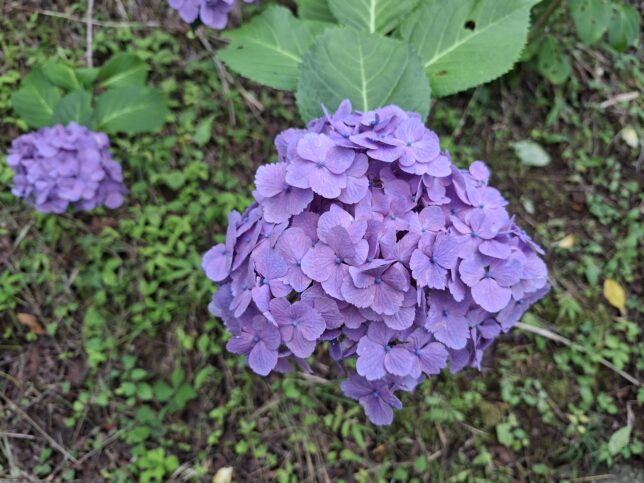
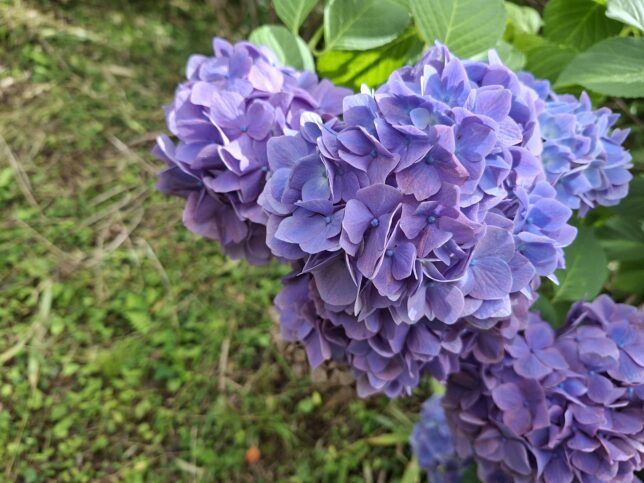
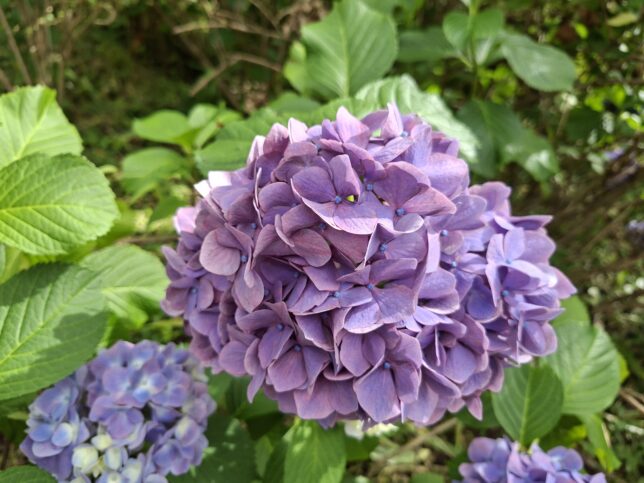
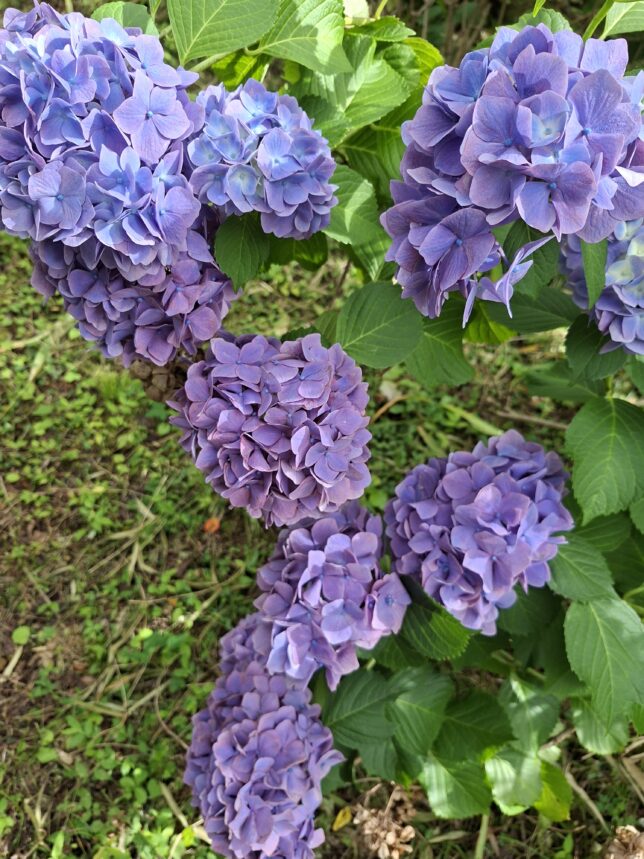
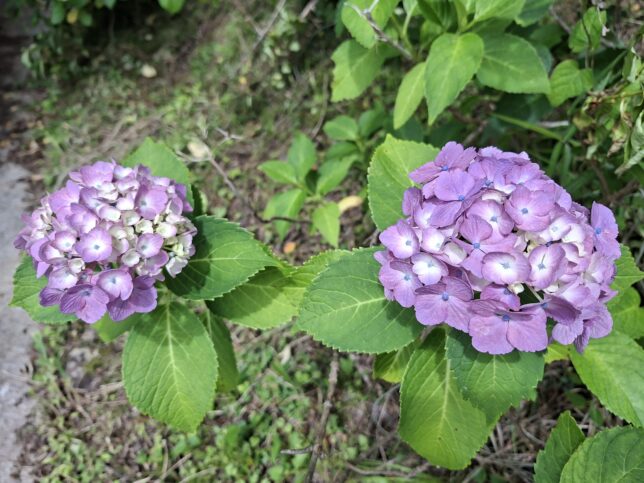
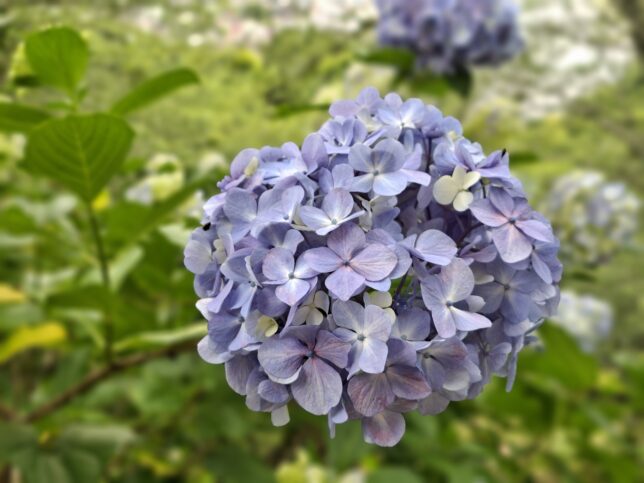
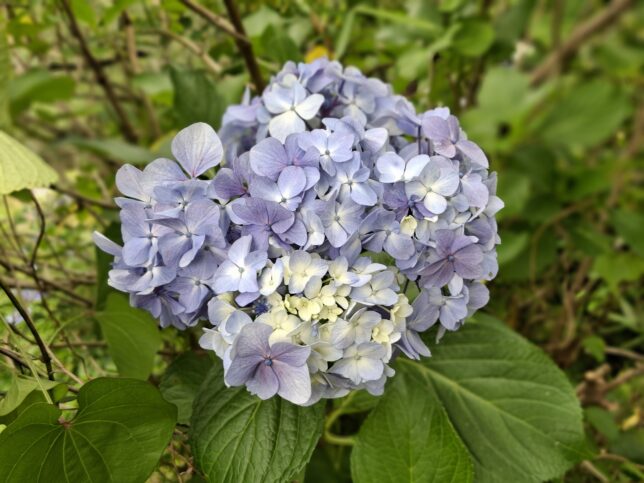
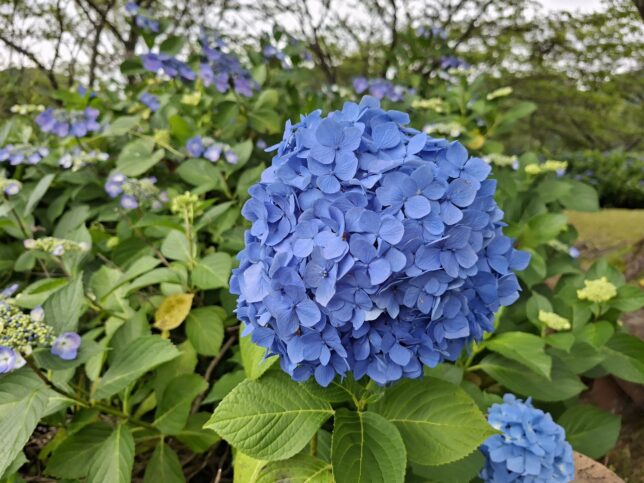
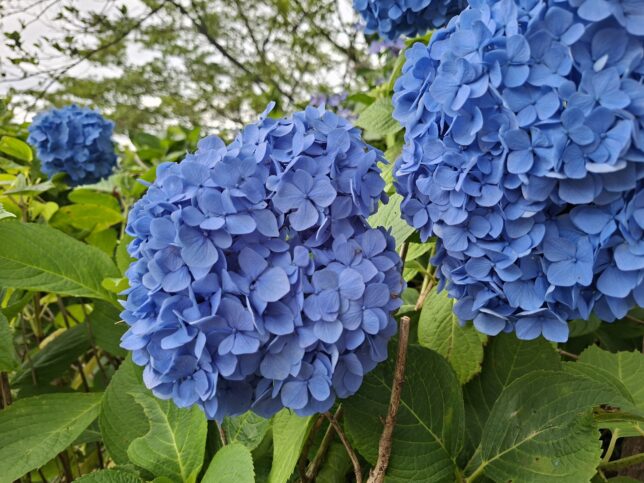
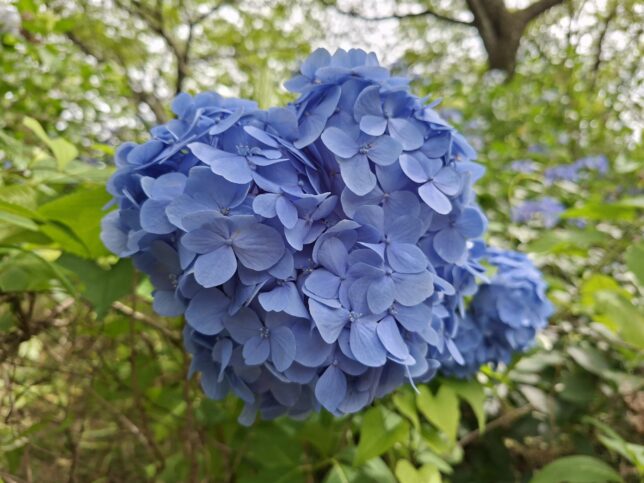
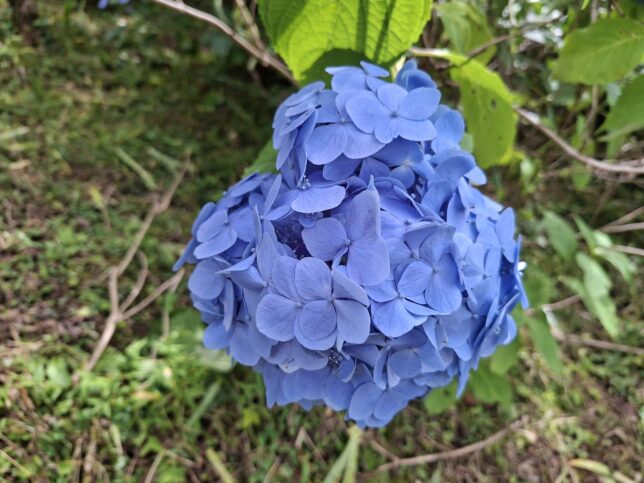
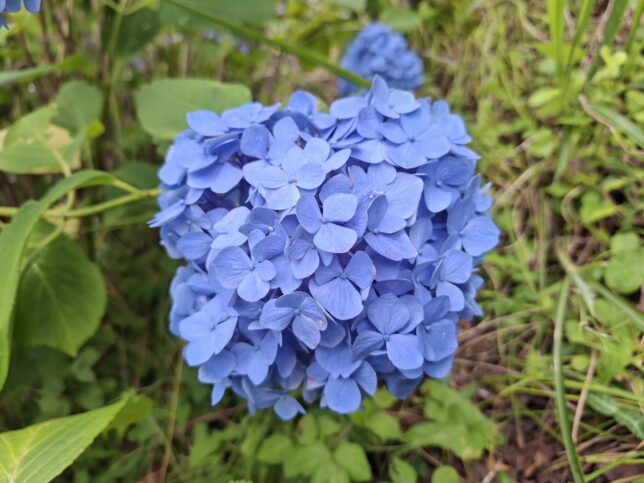
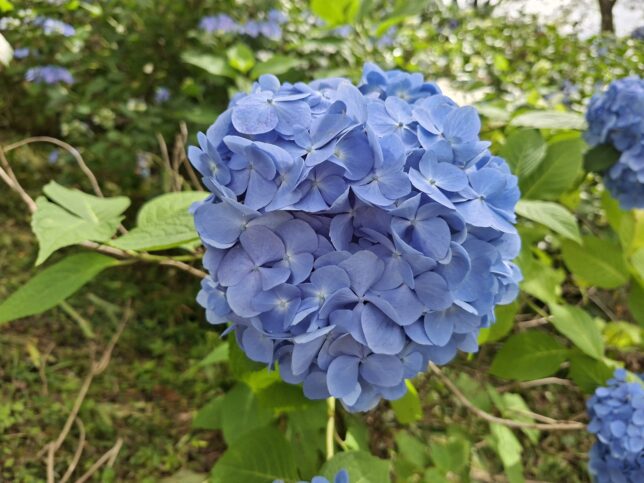
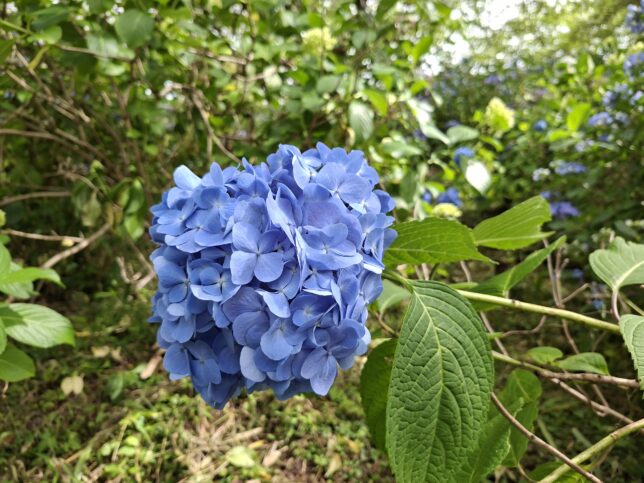
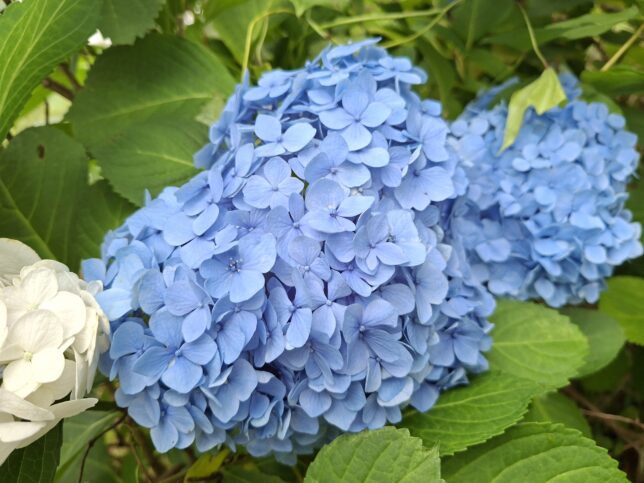
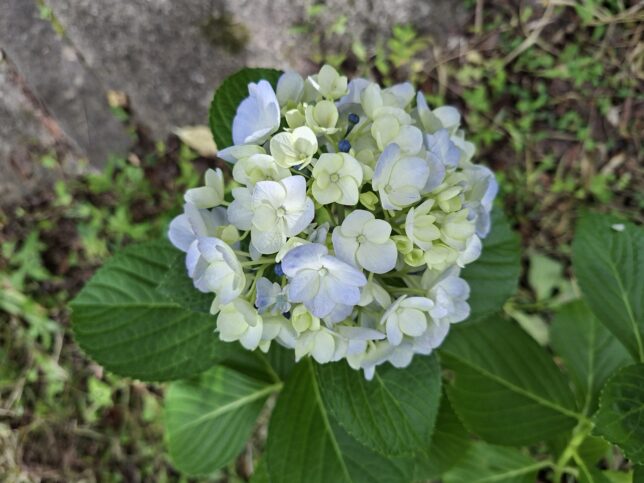
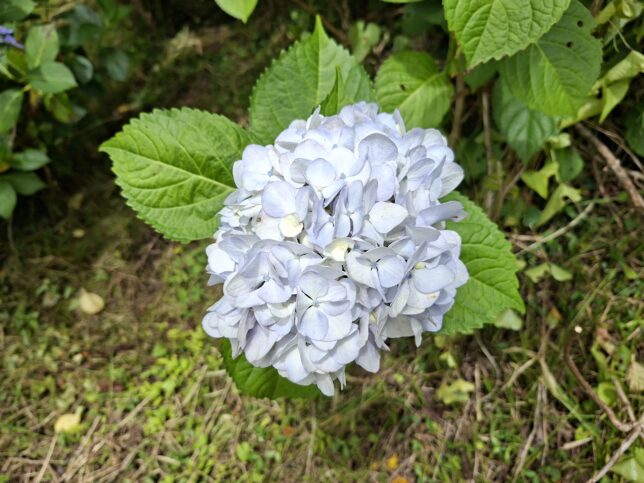
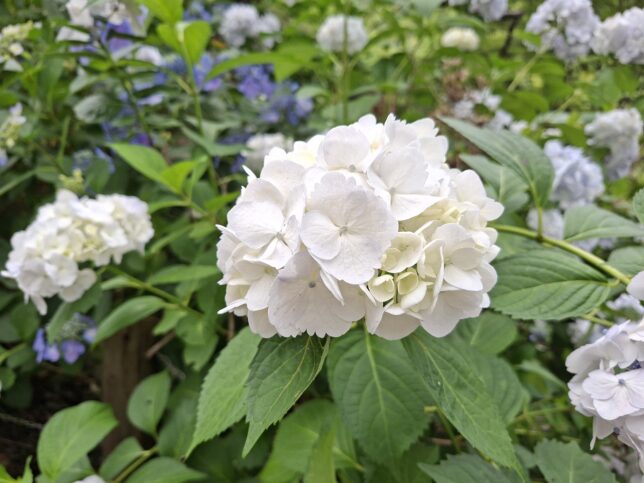
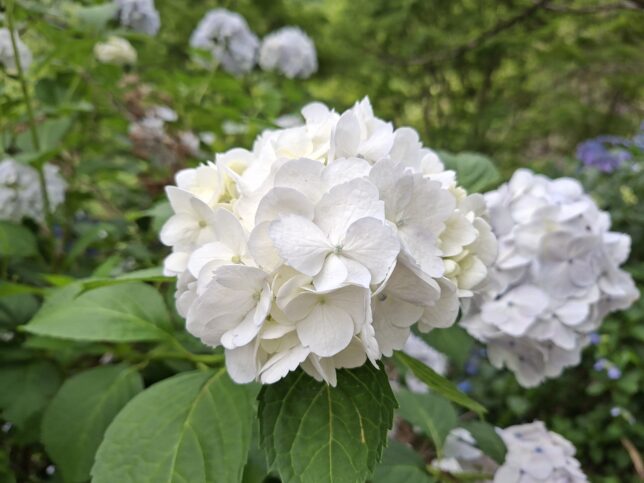
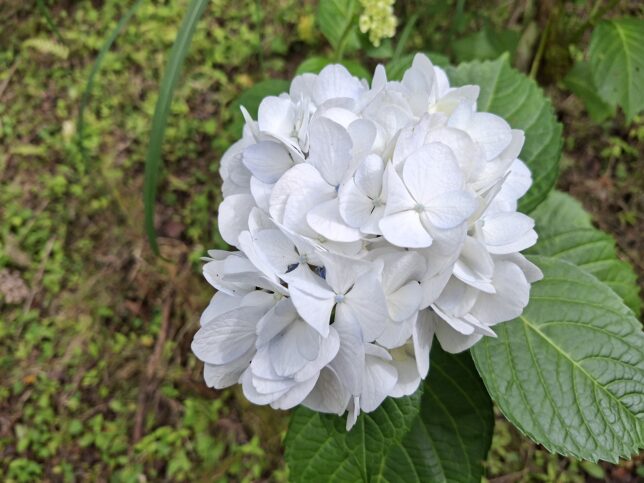
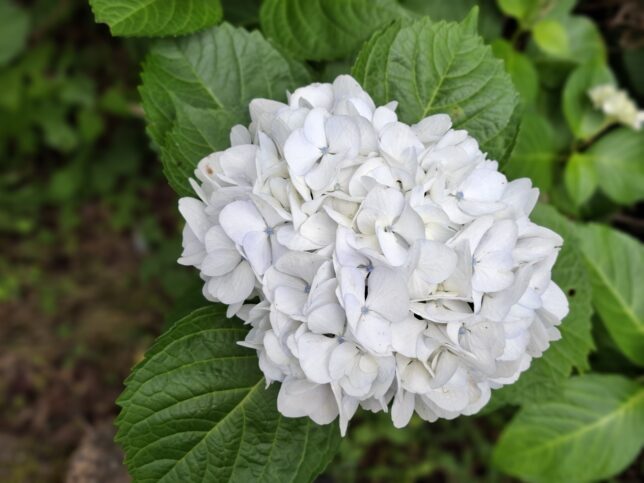
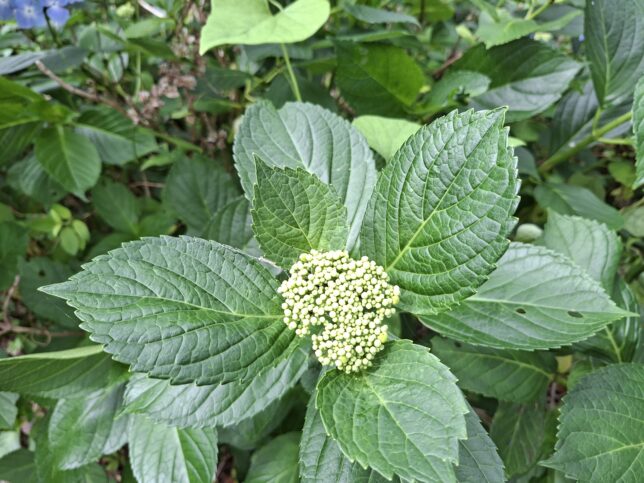
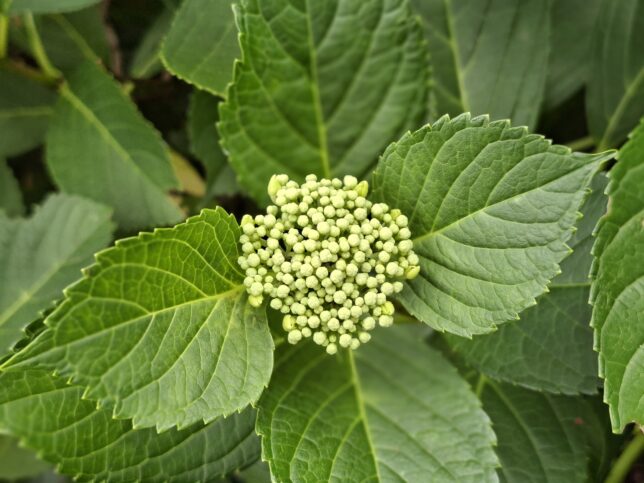
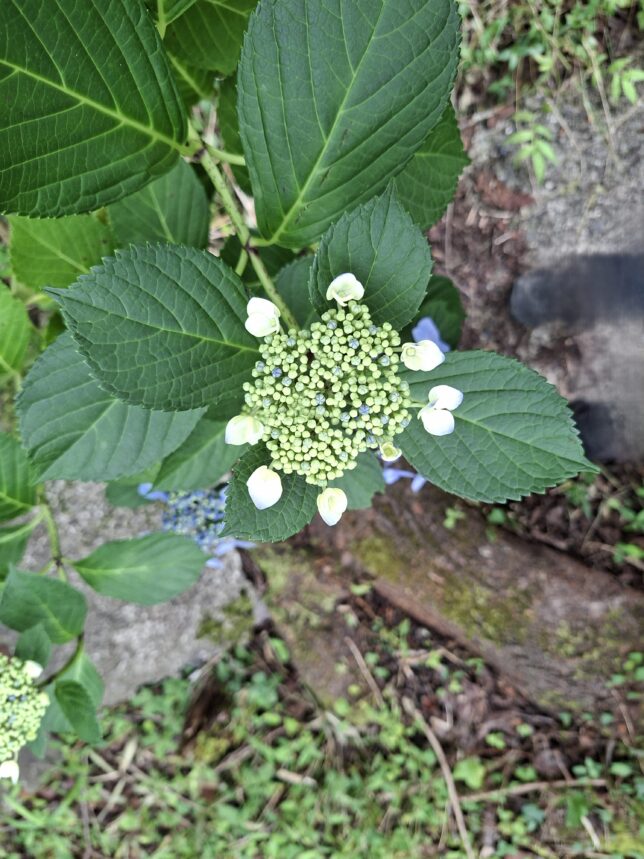
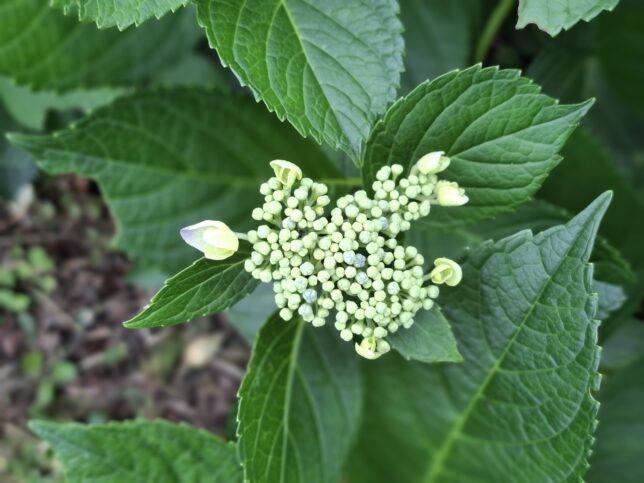
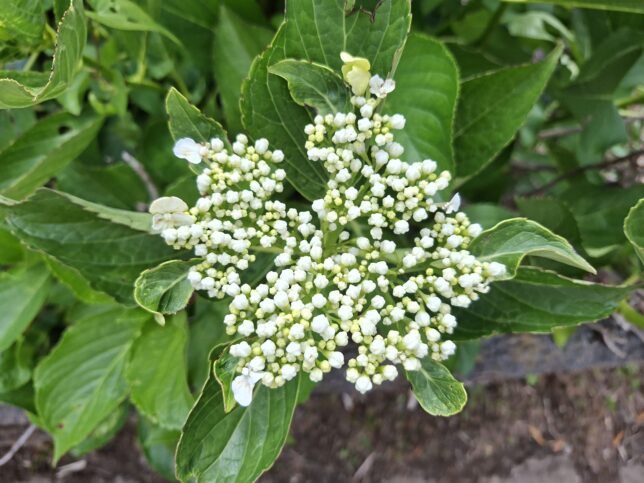
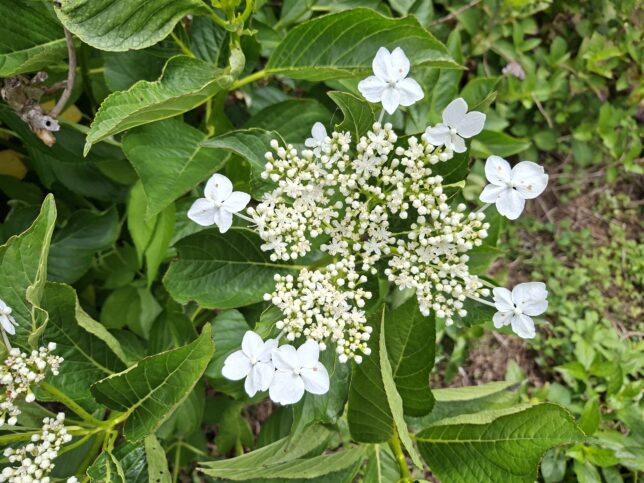
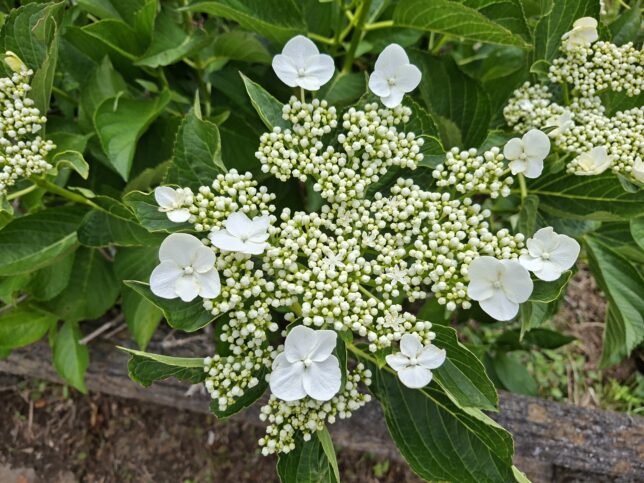
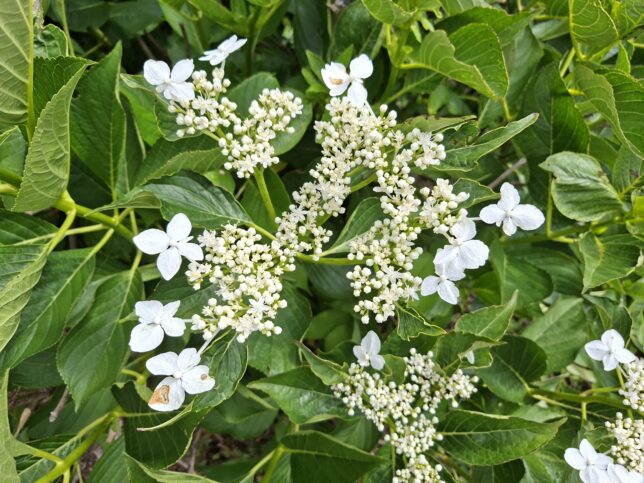
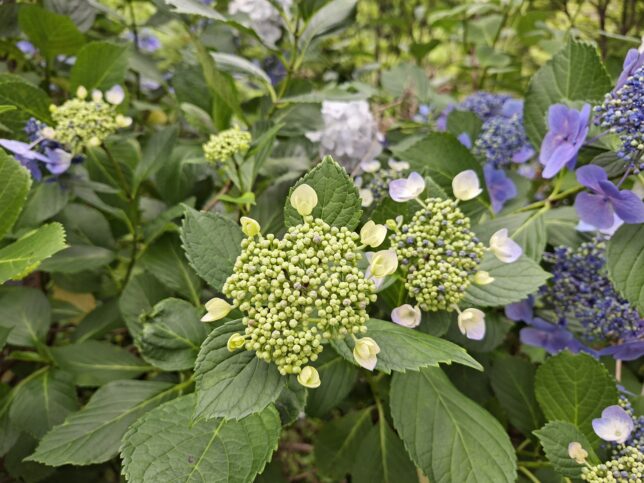
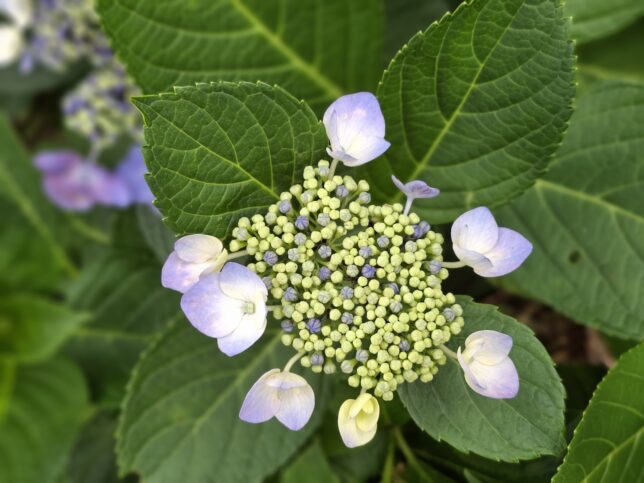
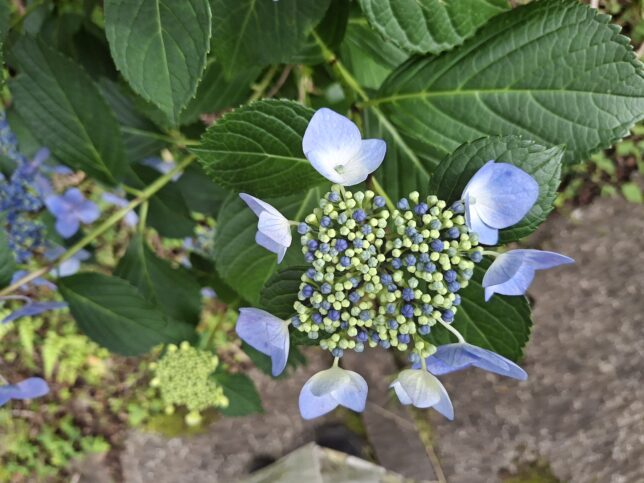
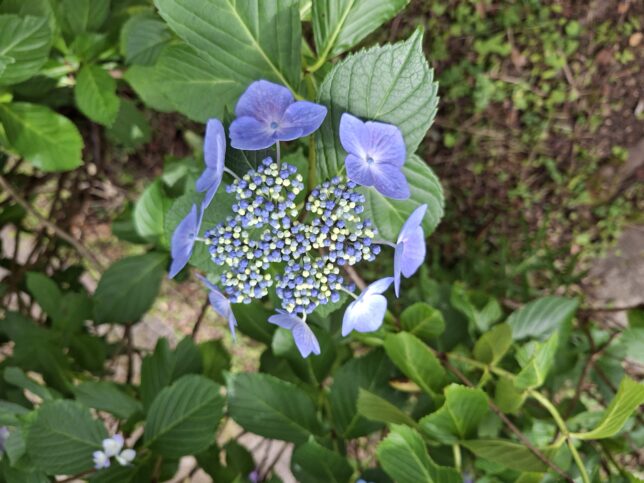
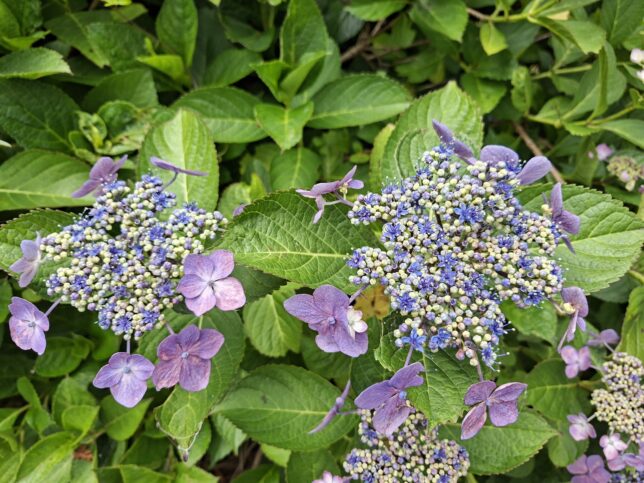
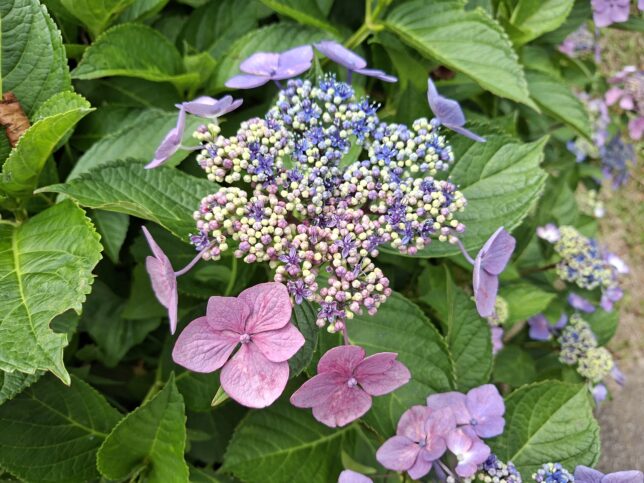
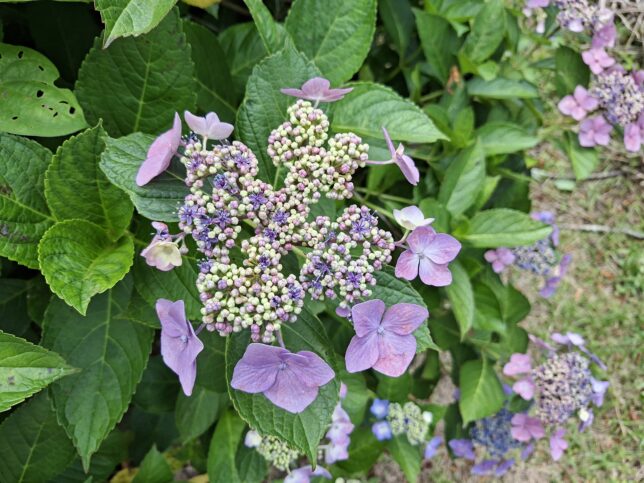
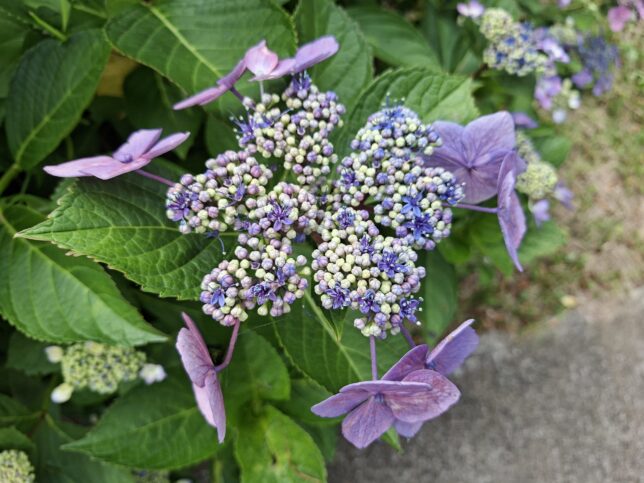
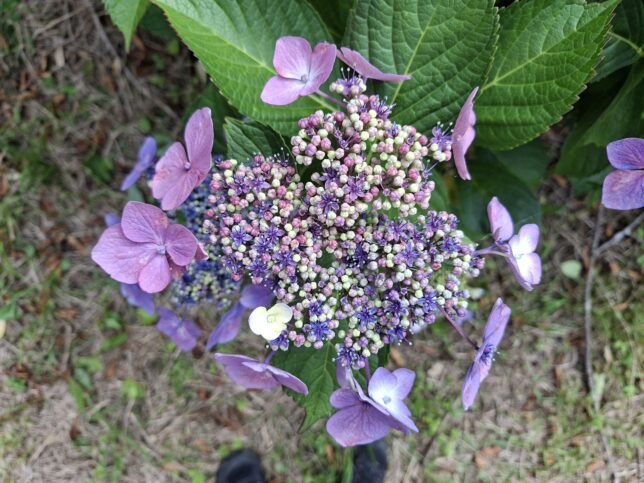
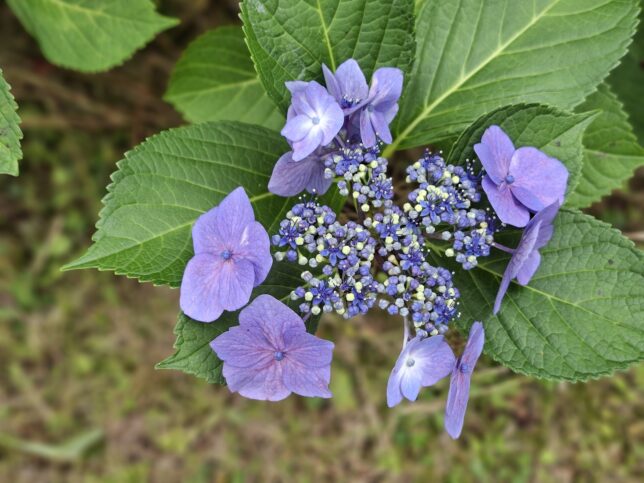
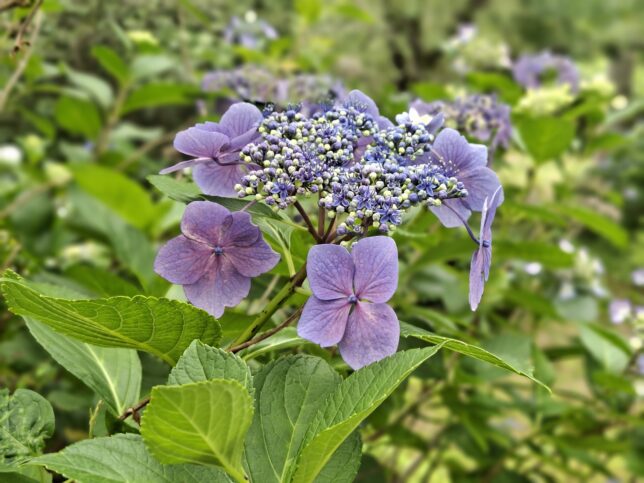
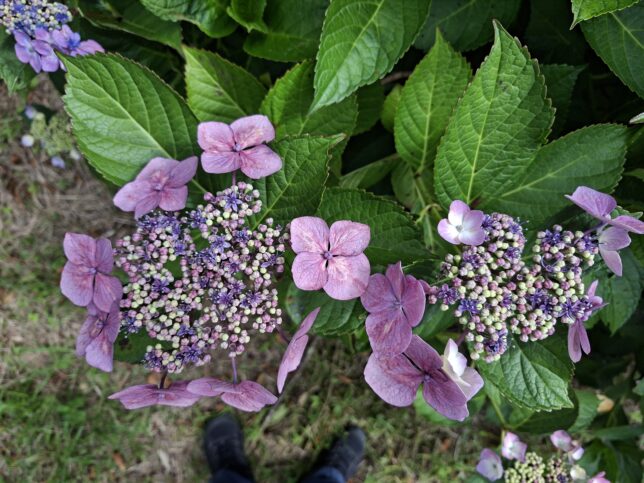
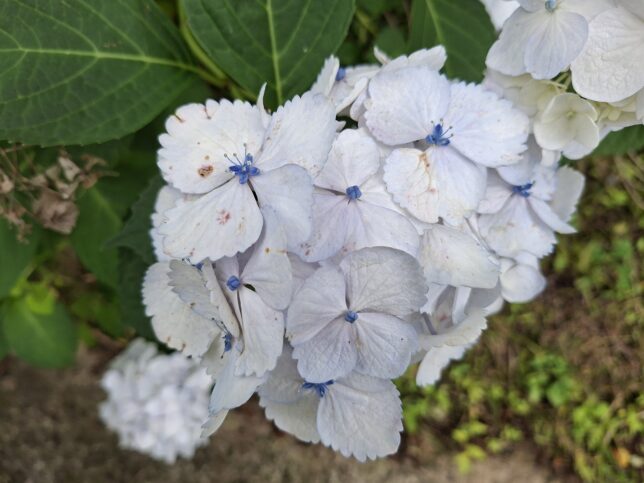
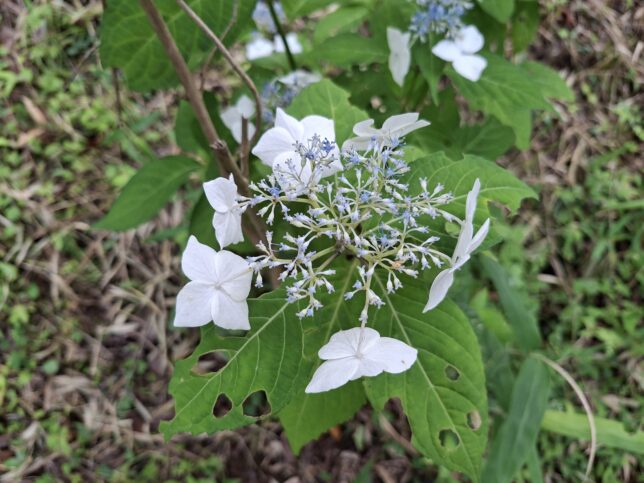
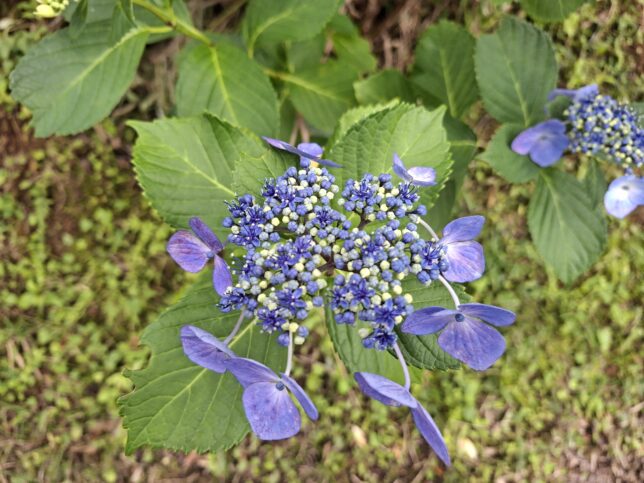
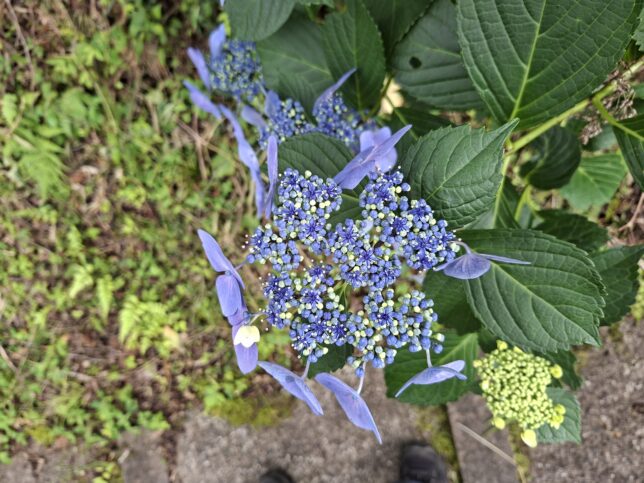
Hydrangea macrophylla flowers, Utsubuna Park, Nanbu-cho, Yamanashi, 6/15/2026