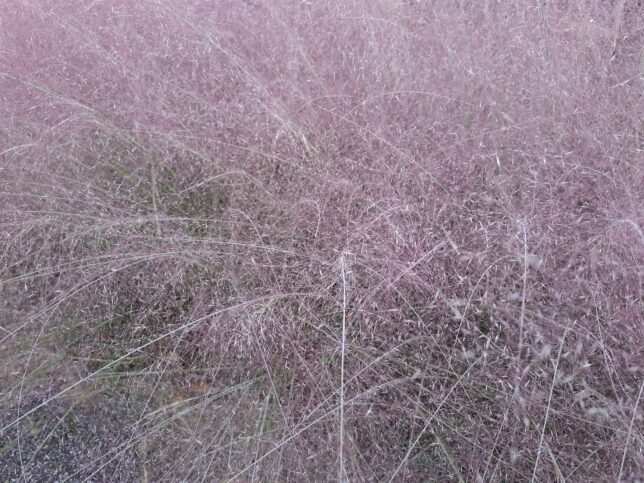
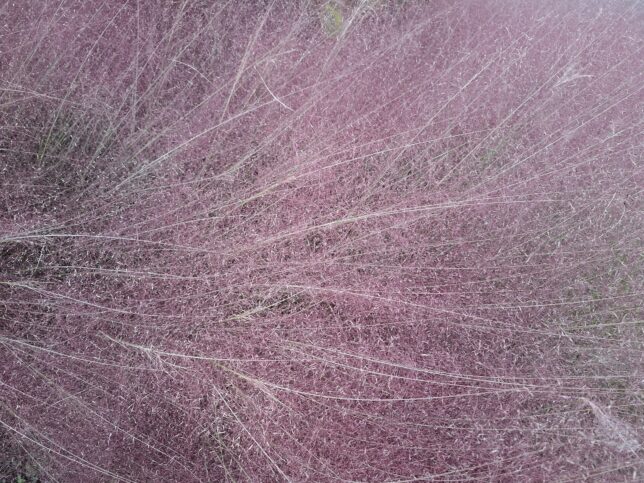
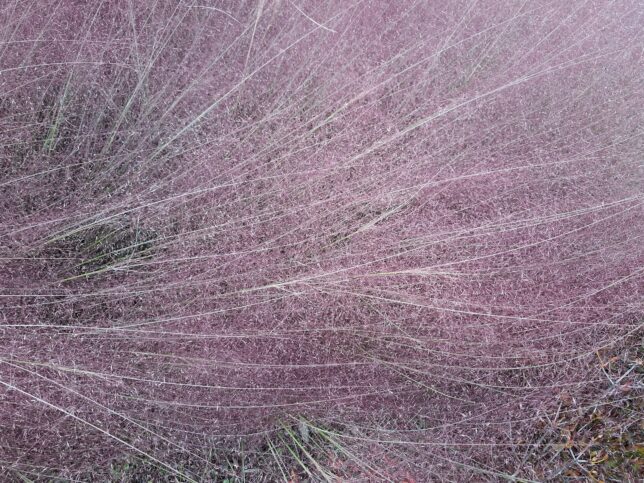
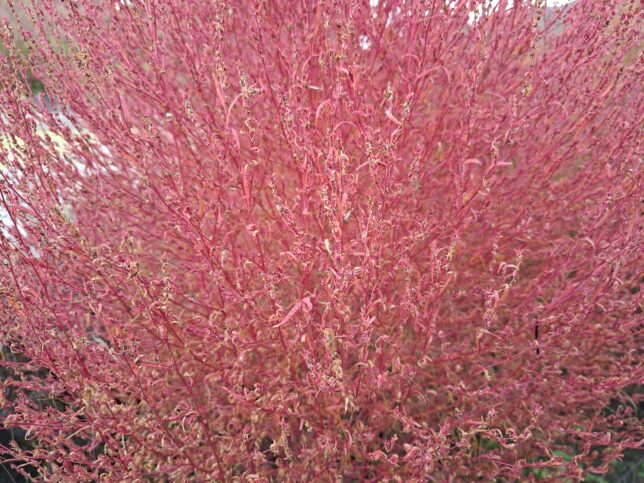
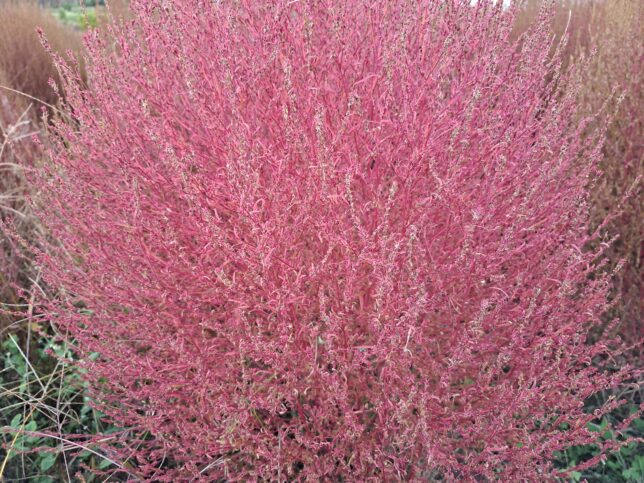
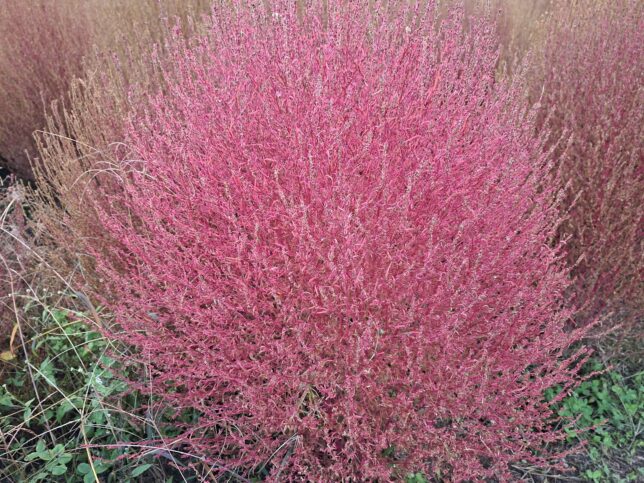
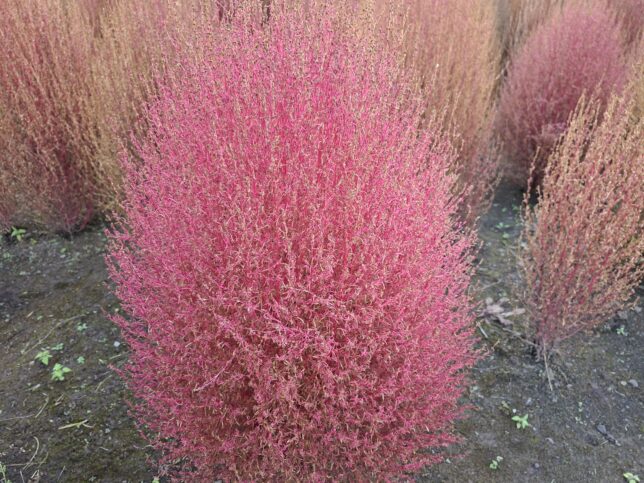
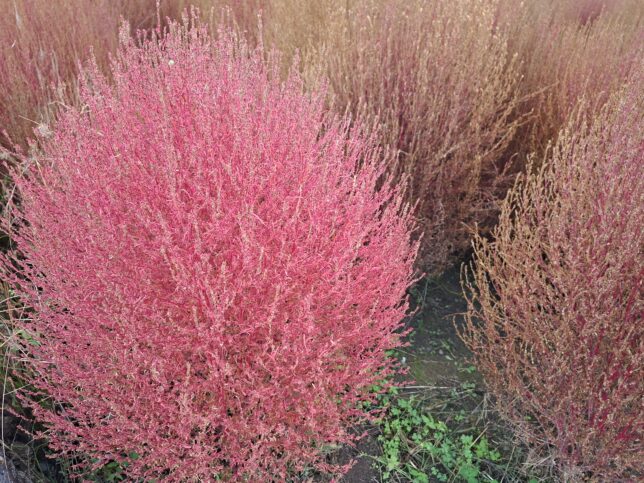
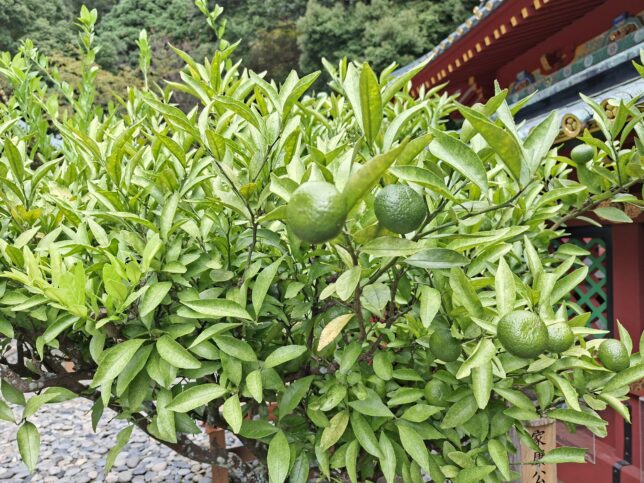
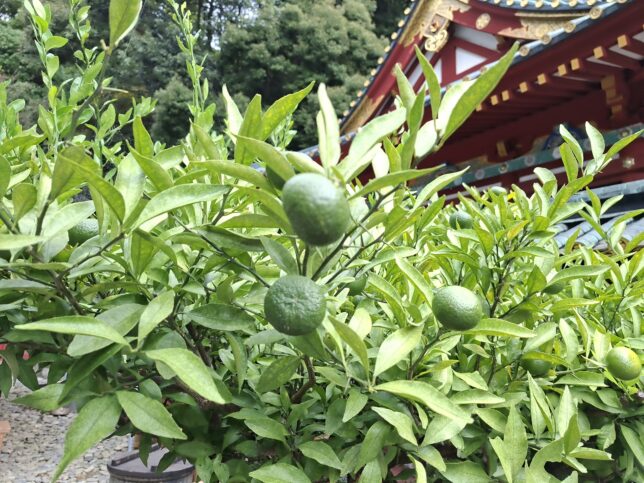
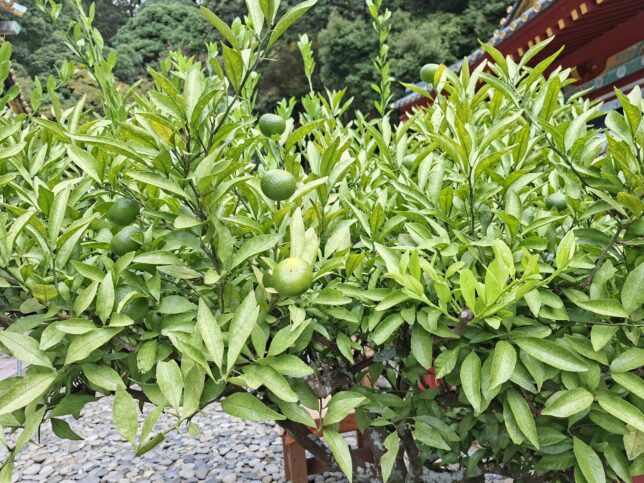
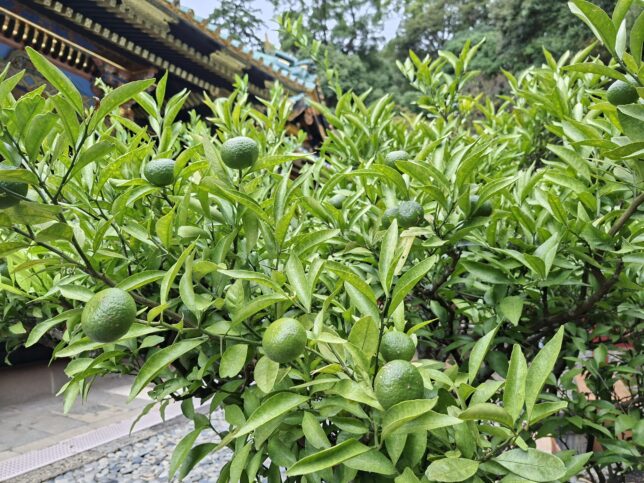
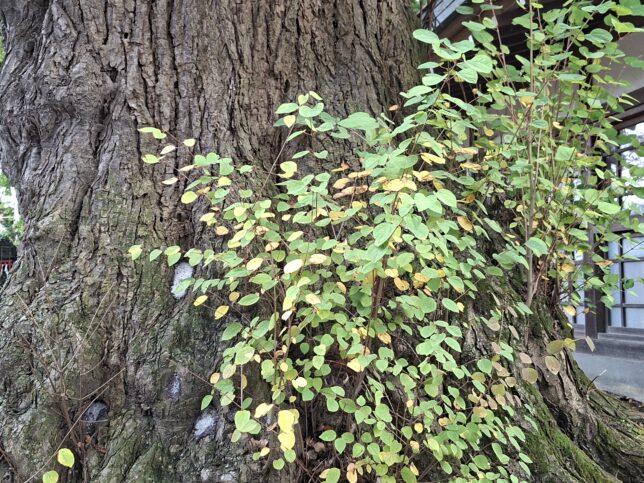
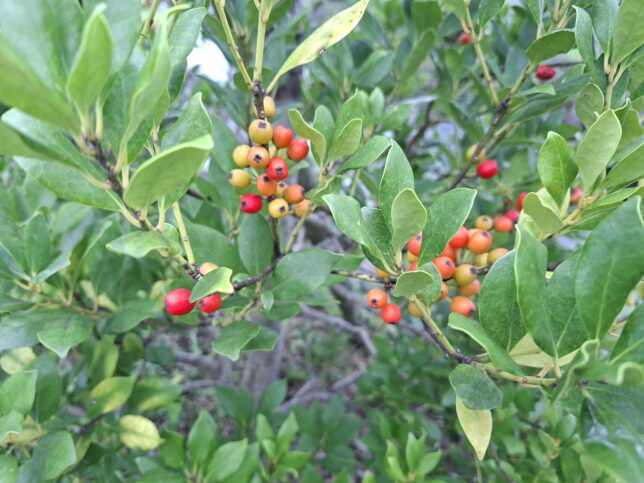
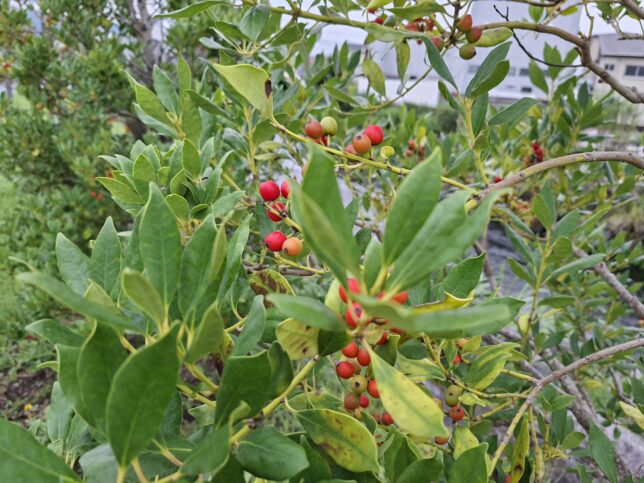
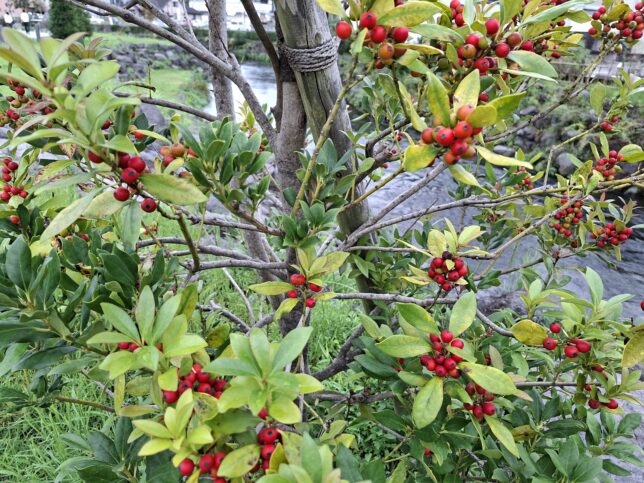
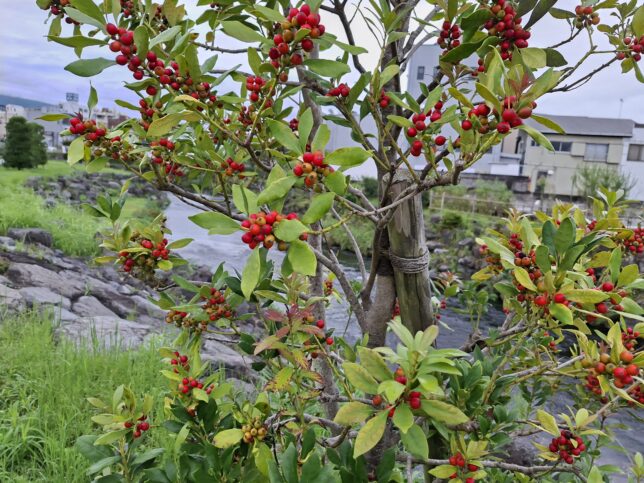
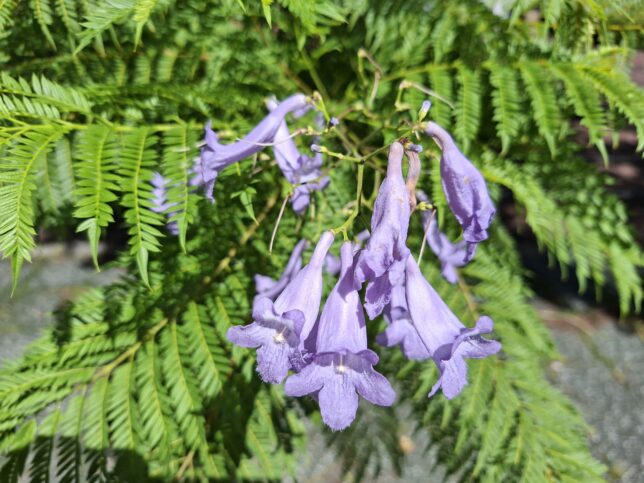
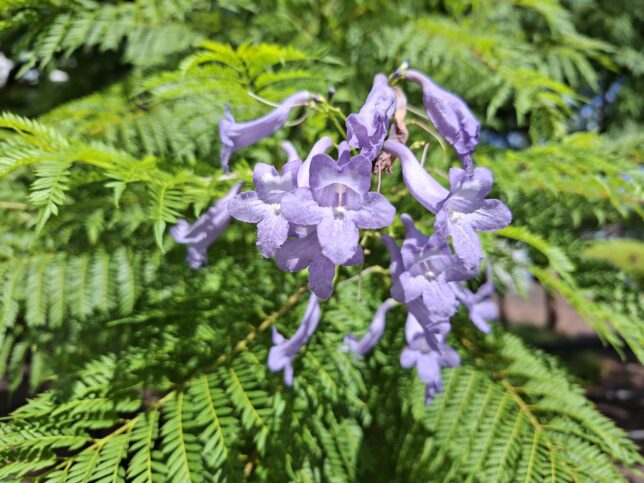
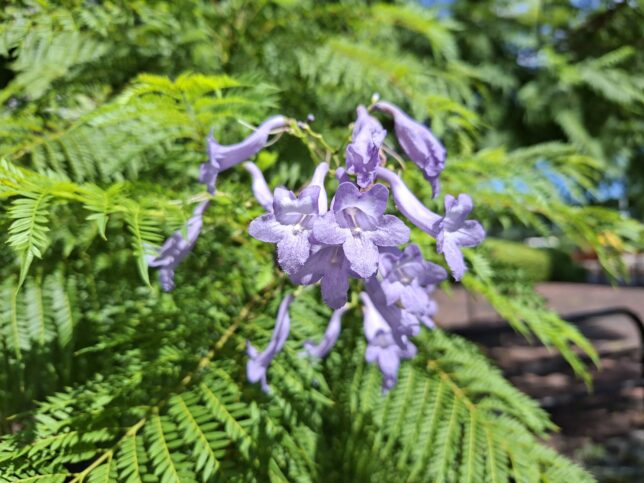
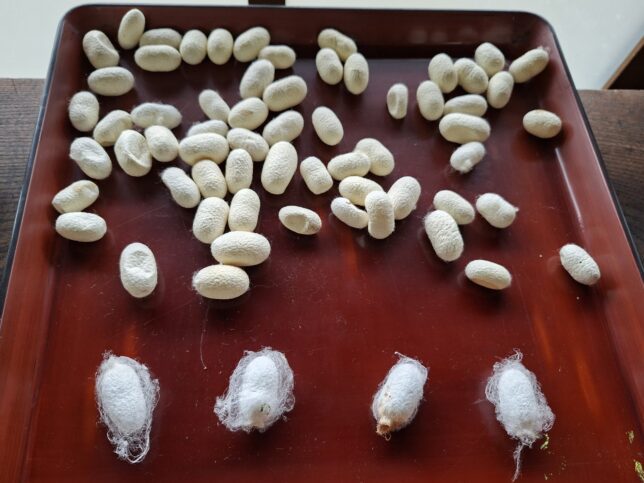
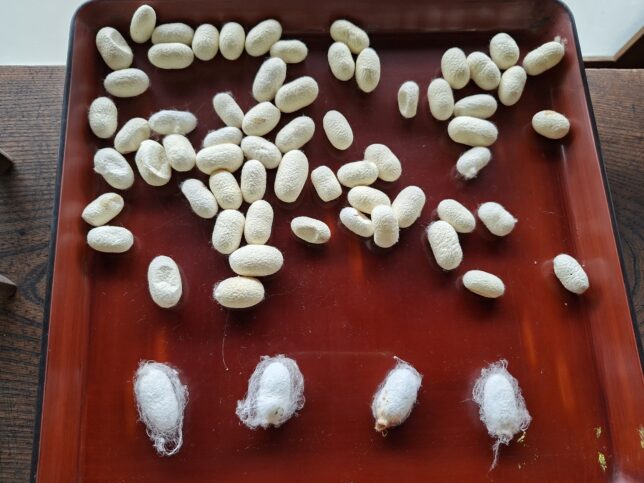
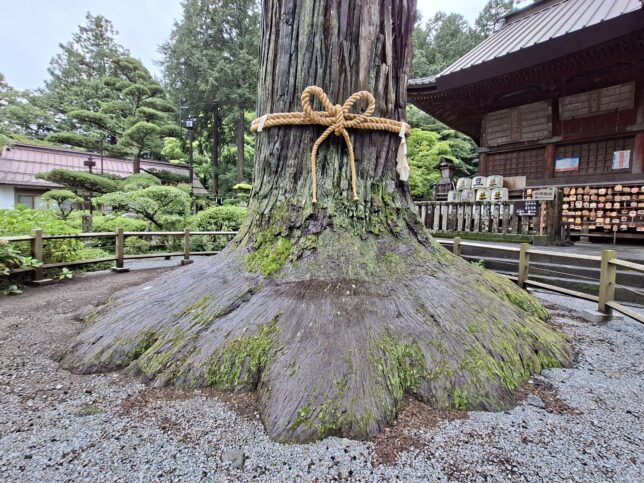
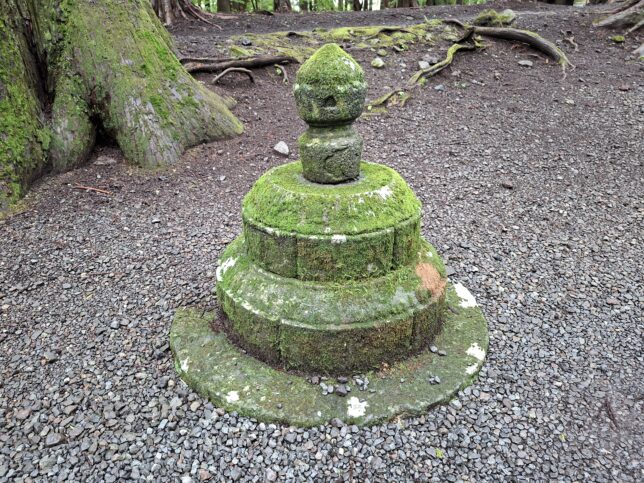
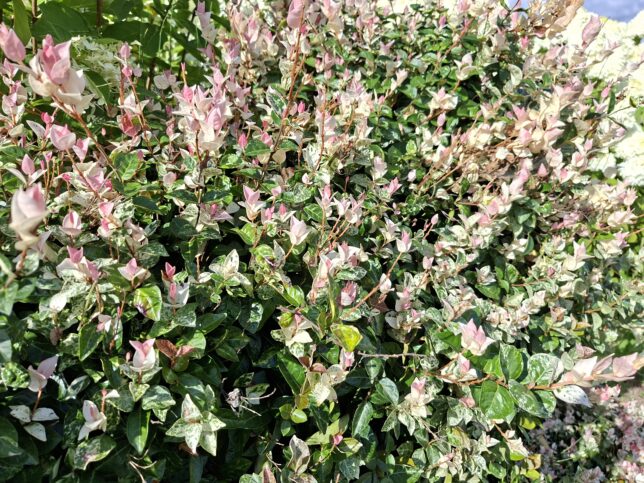
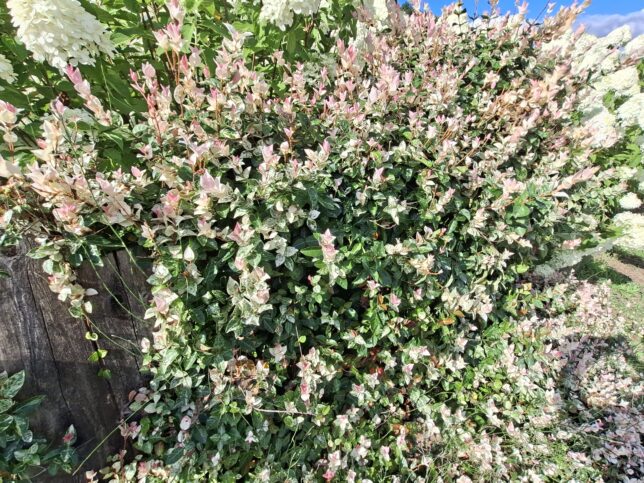
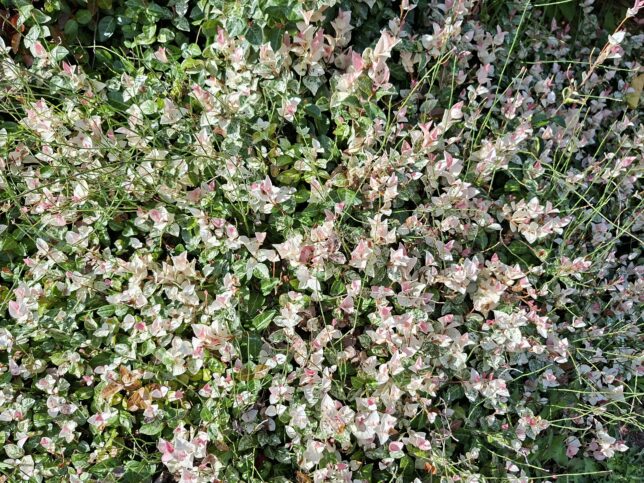
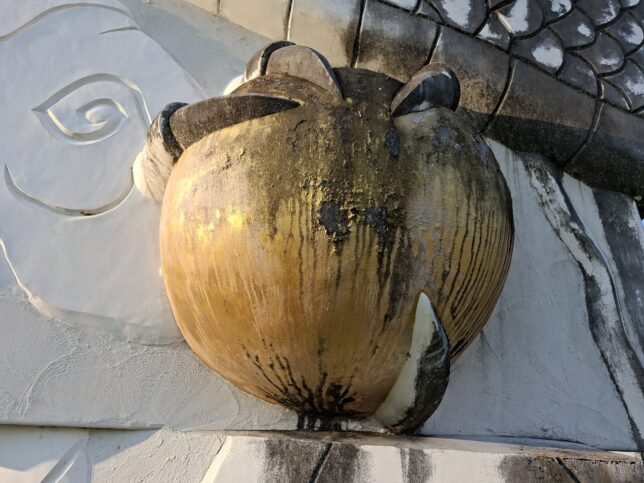
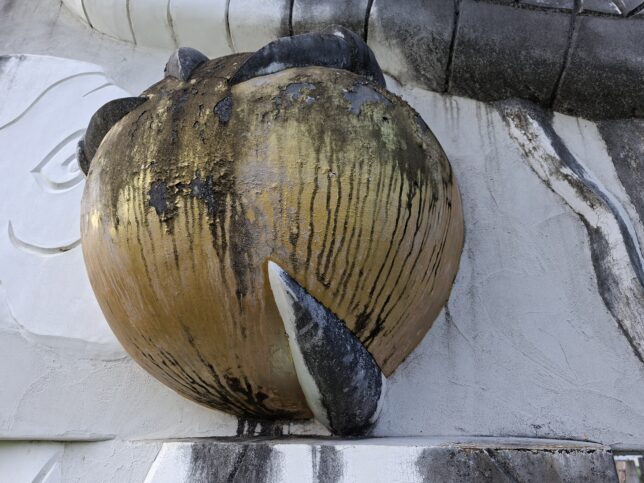
Mandarin orange trees believed that the brances were propagated from the ones Tokugawa Ieyasu planted in Sunpu Castle, Mount Kuno Tosho Shrine, Shimizu ward, Shizuoka city, Shizuoka, 10/05/2026
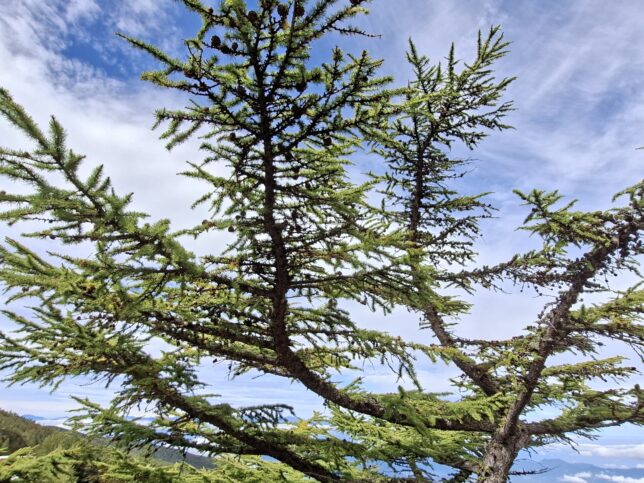
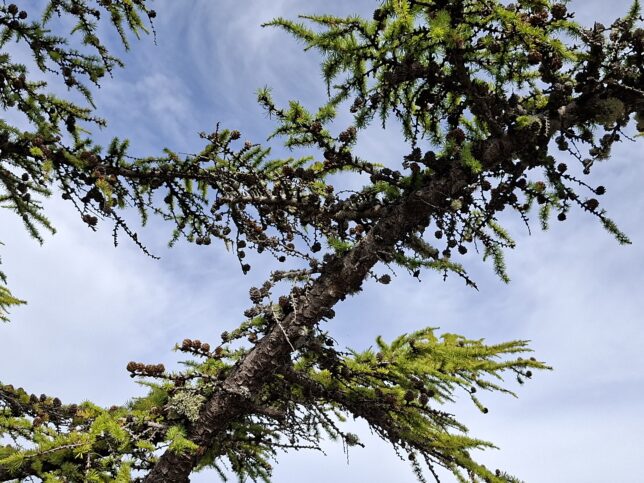
Japanese larch trees, Fuji Subaru Line 5th Station, Kamiyoshida, Fujiyoshida city, Yamanashi, 10/04/2026
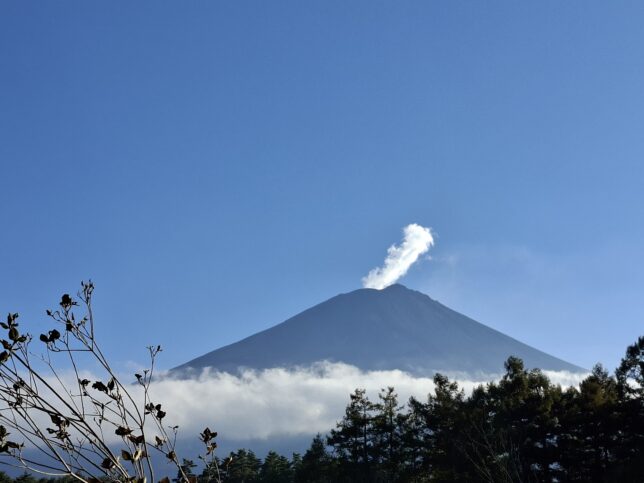
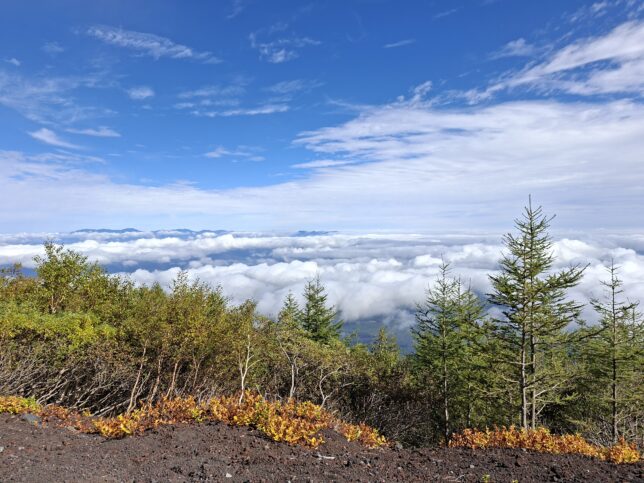
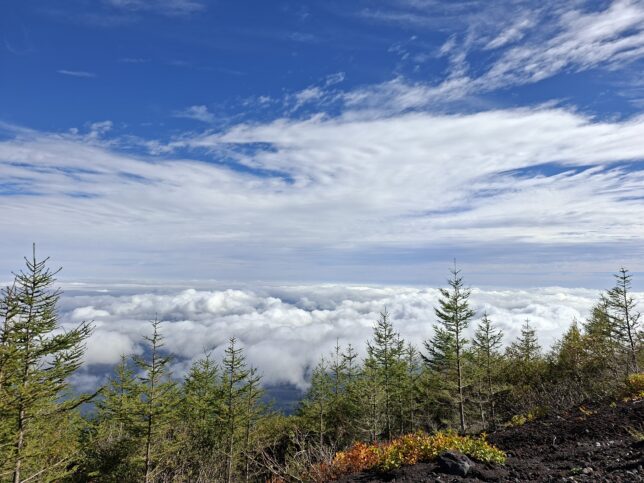
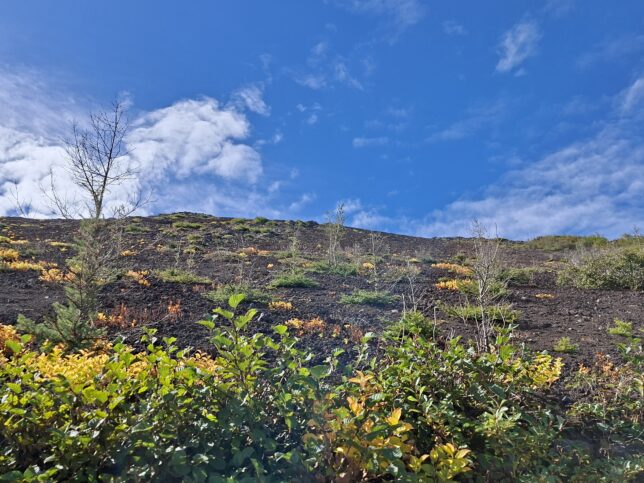
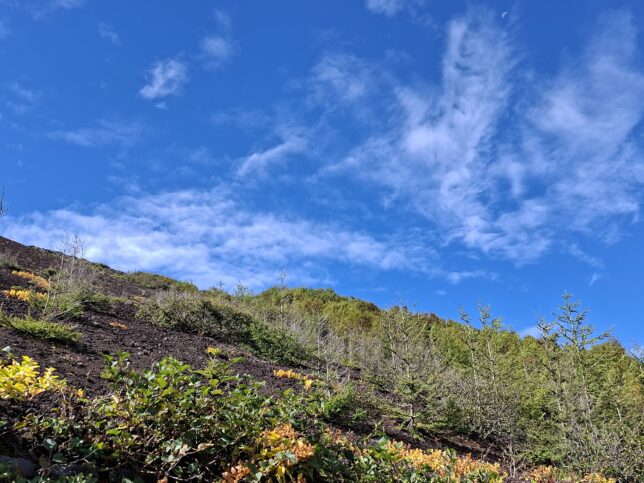
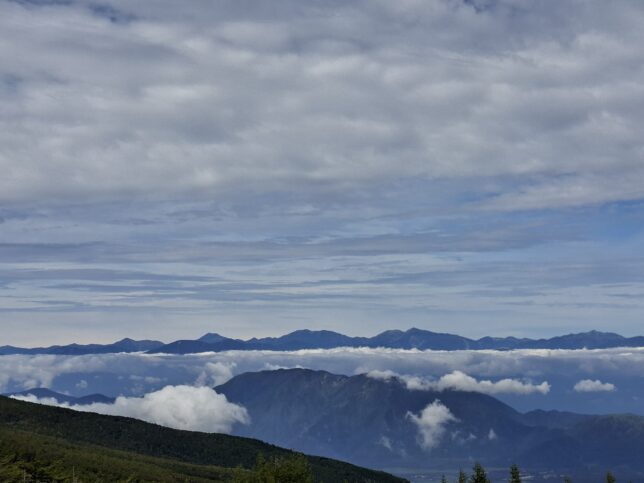
Views from the Fuji Subaru Line 5th Station and the slope of Mount Fuji, Fuji Subaru Line 5th Station, Kamiyoshida, Fujiyoshida city, Yamanashi, 10/04/2026
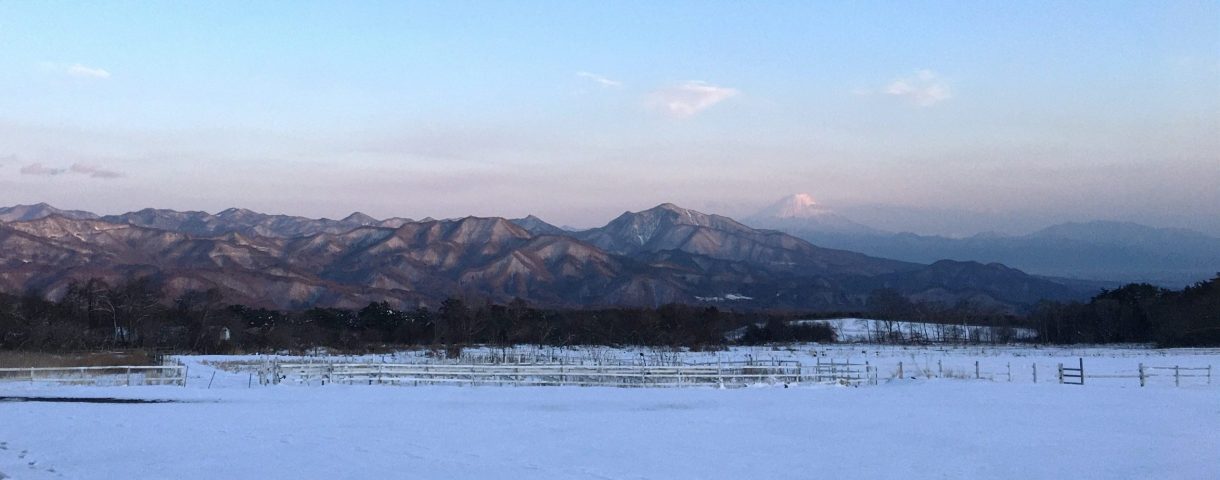
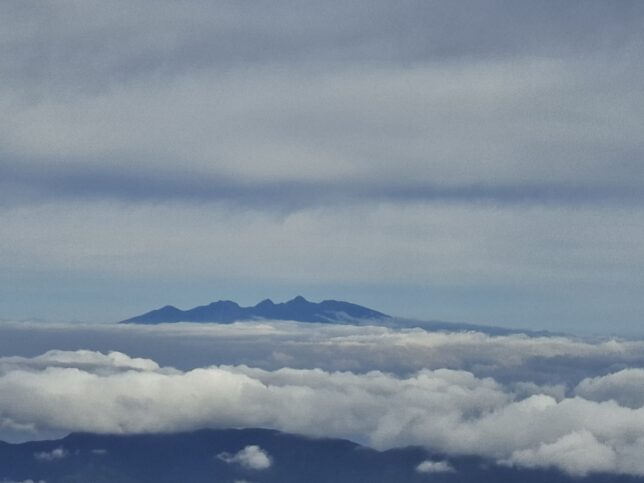
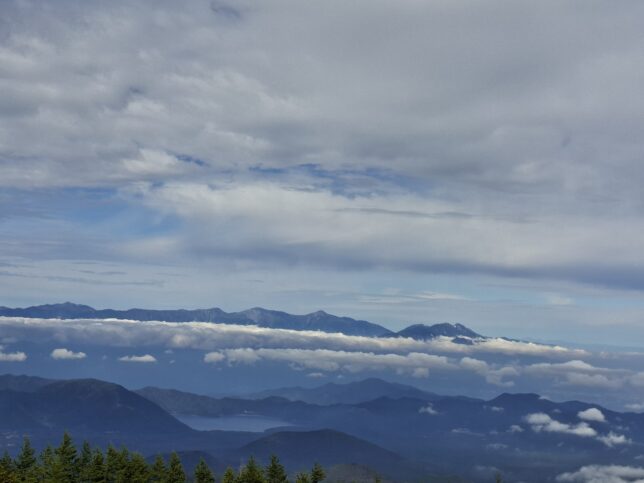
Kiso Mountains and Yatsugatake Mountains, Fuji Subaru Line 5th Station, Kamiyoshida, Fujiyoshida city, Yamanashi, 10/04/2026
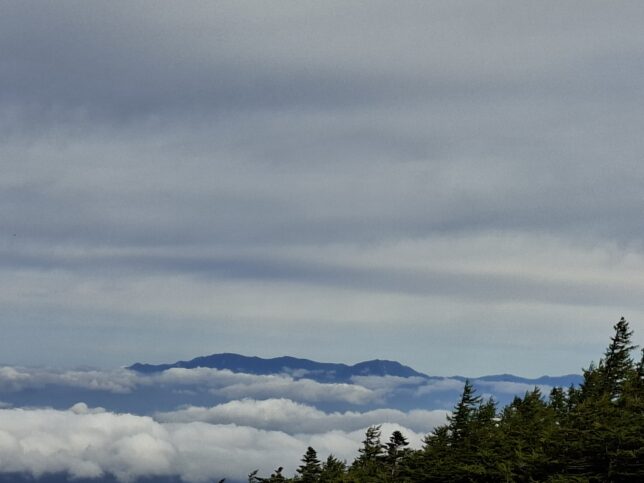
Akaishi Mountains, Fuji Subaru Line 5th Station, Kamiyoshida, Fujiyoshida city, Yamanashi, 10/04/2026
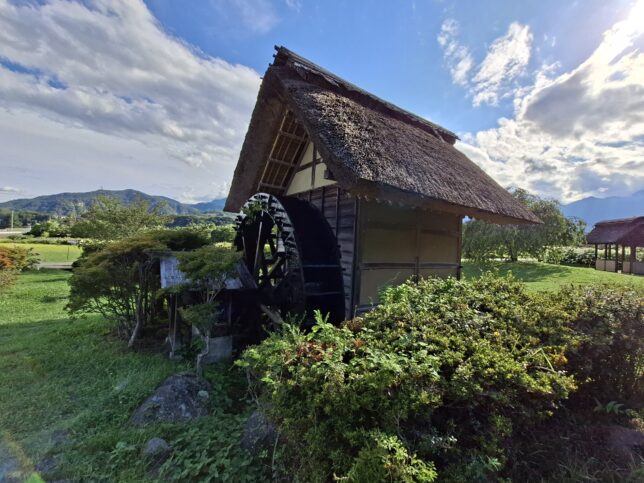
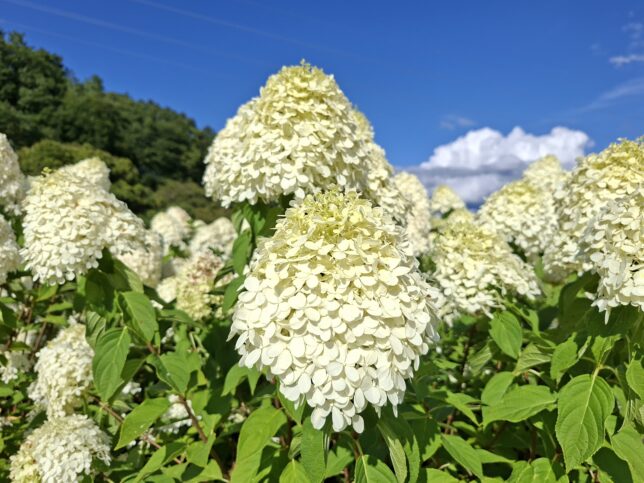
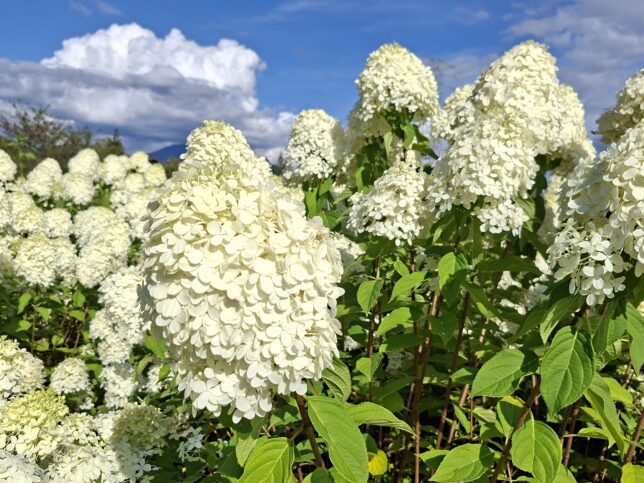
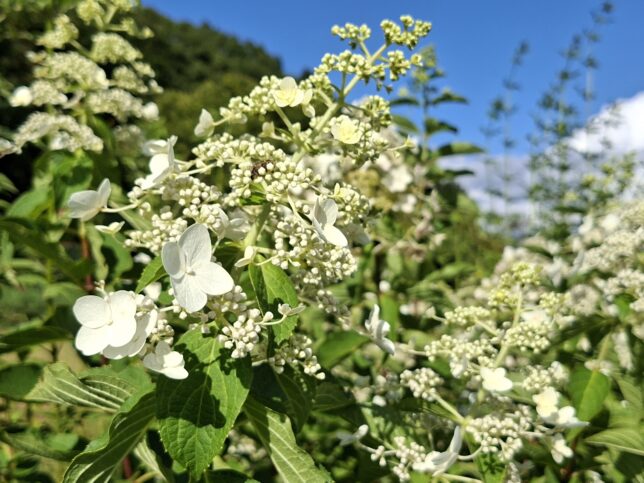
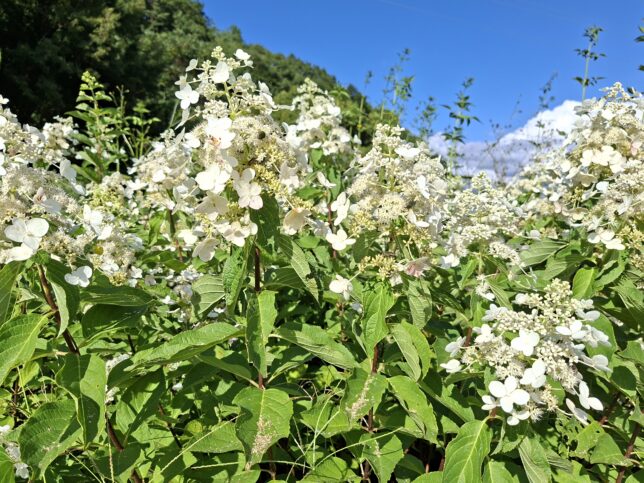
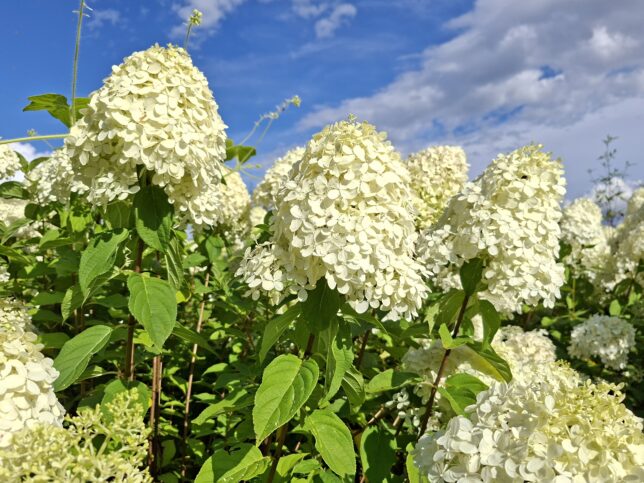
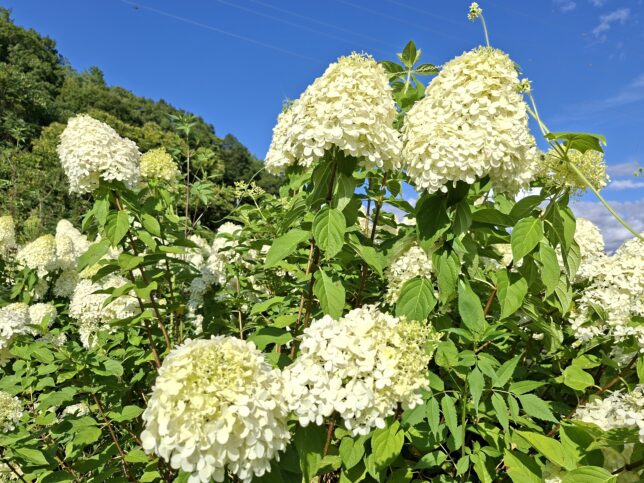
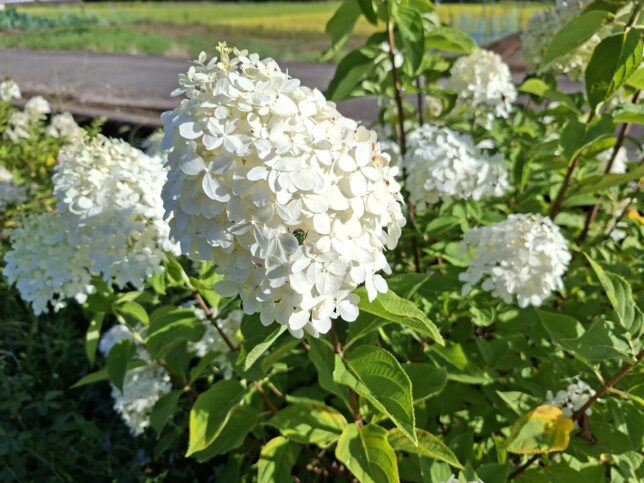
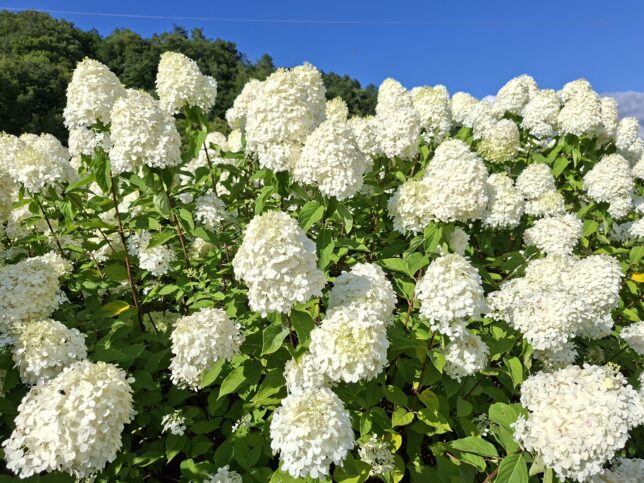
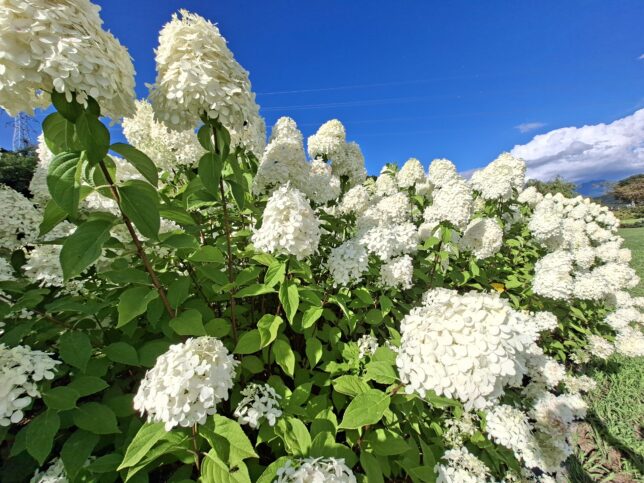
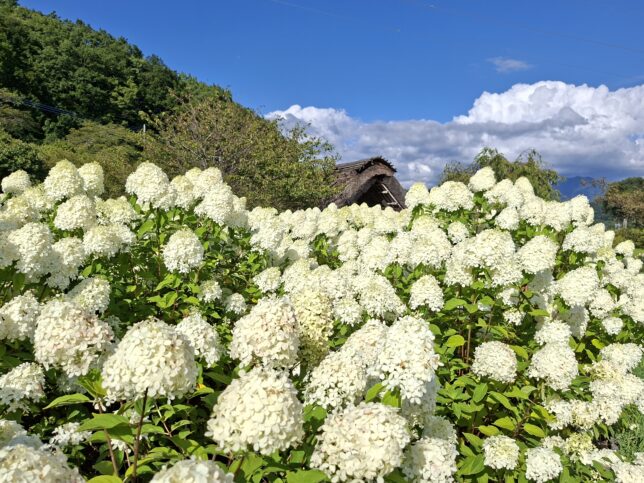
Panicle hydrangea Limelight plants grown and maintained by a nearby farmer, next to Home of Waterwheel Park, Mukawa town, Hokuto city, Yamanashi, 9/05/2026
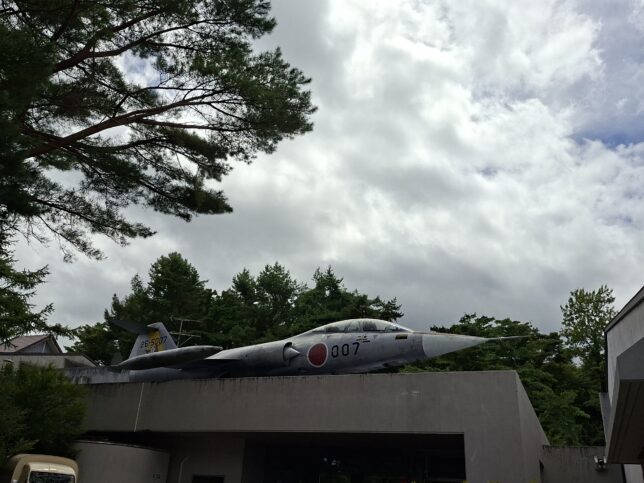
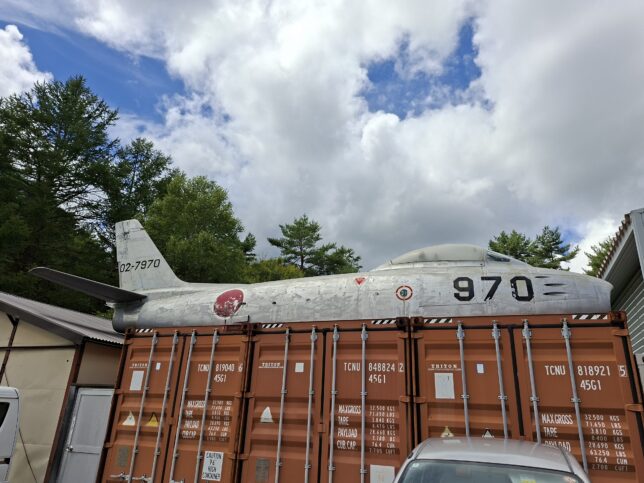
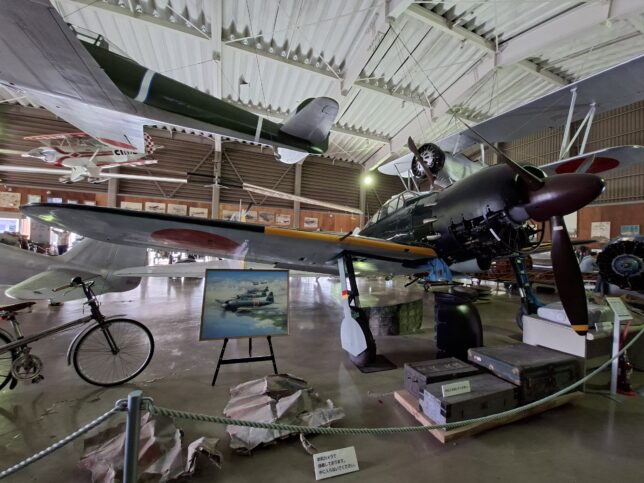
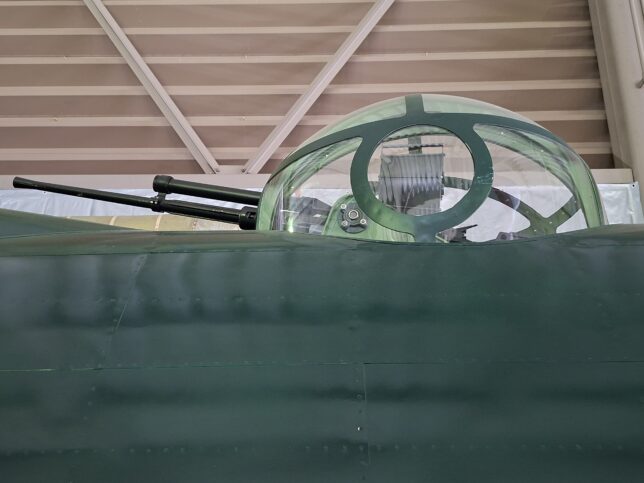
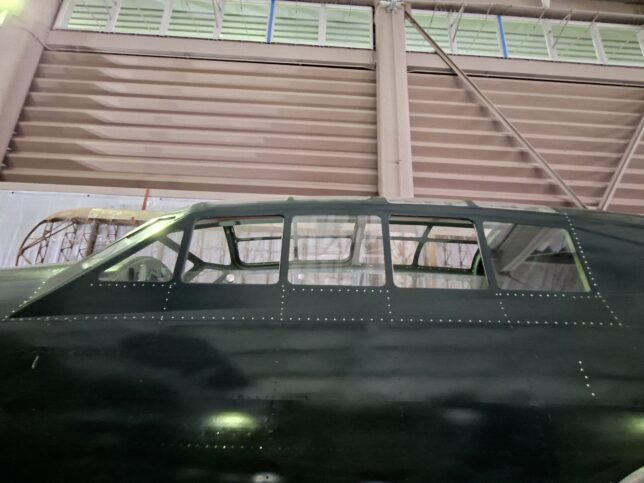
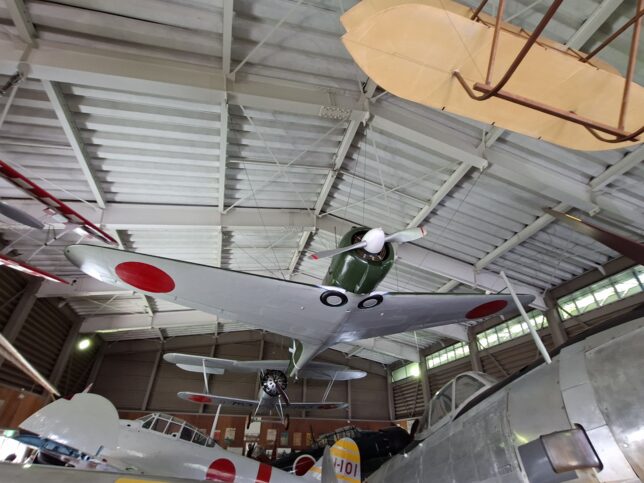
The Fuji Motor Museum and Air Museum (widely known as the Kawaguchiko Motor Museum and Air Museum or Hiko Kan) located in the Fujizakura Highland area in the village of Narusawa in Yamanashi Prefecture, Japan, is exceptionally rare because it is only open for one month out of the entire year in August and houses painstakingly recovered, restored World War II aircraft alongside roughly 100 classic cars. Founded by former race driver Nobuo Harada, it houses a rare private collection of meticulously restored vintage automobiles and World War II aircraft.
Fuji Motor Museum and Air Museum, Fujizakura Highland, Narusawa village, Yamanashi, 8/18/2026
Fuji Air Museum:
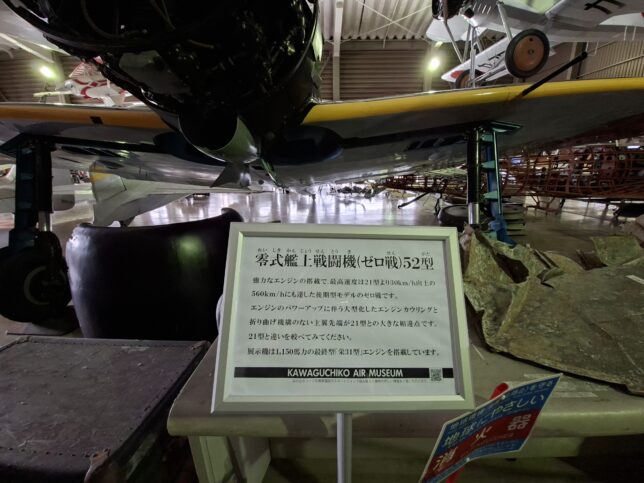
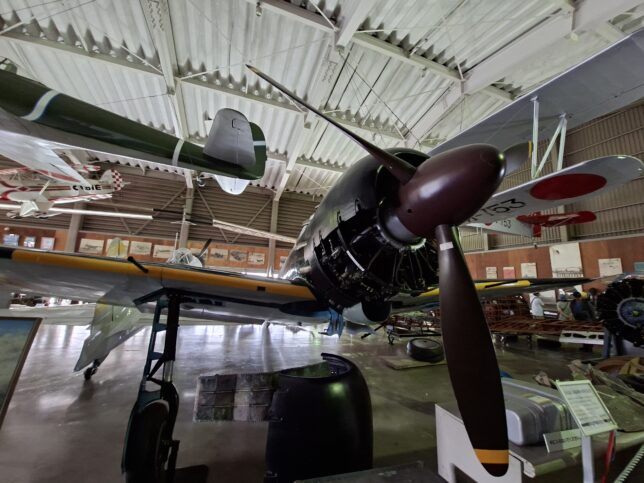
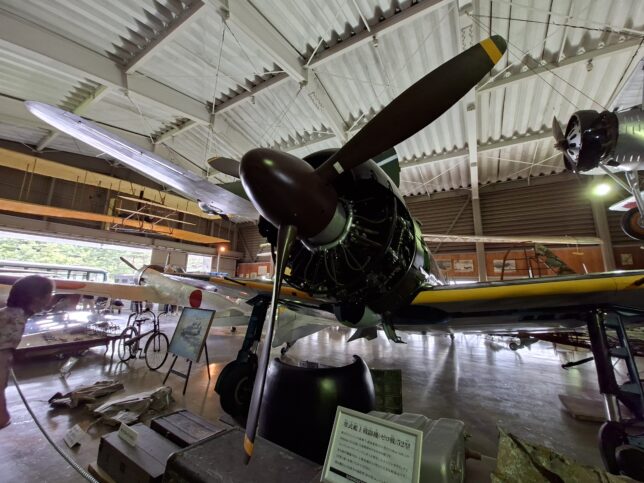
Mitsubishi A6M5 “Zero Fighter” 52, Fuji Air Museum, Fujizakura Highland, Narusawa village, Yamanashi, 8/18/2026
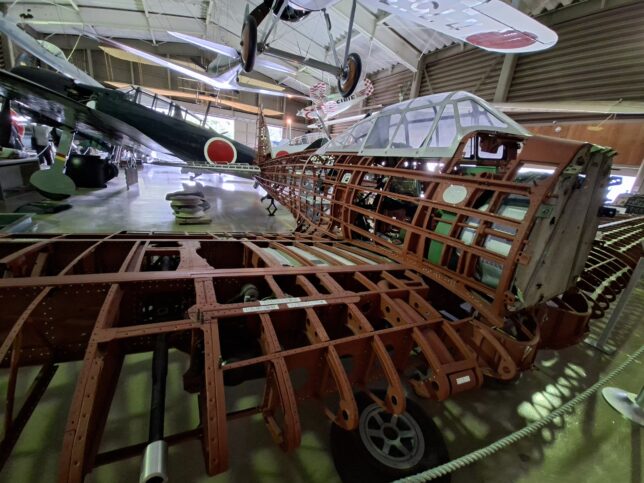
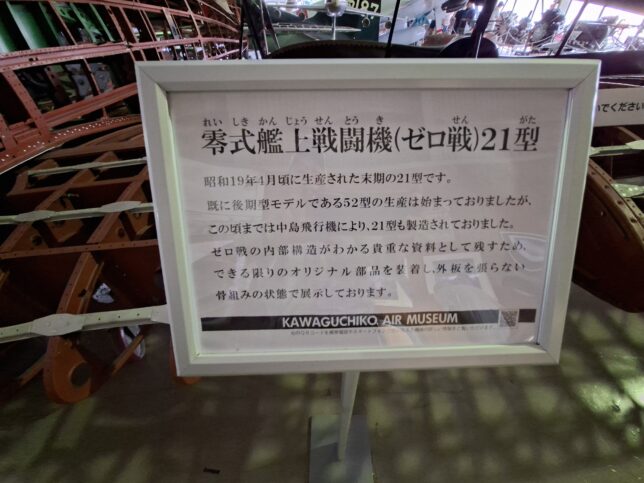
Mitsubishi A6M2 “Zero Fighter” 21, Fuji Air Museum, Fujizakura Highland, Narusawa village, Yamanashi, 8/18/2026
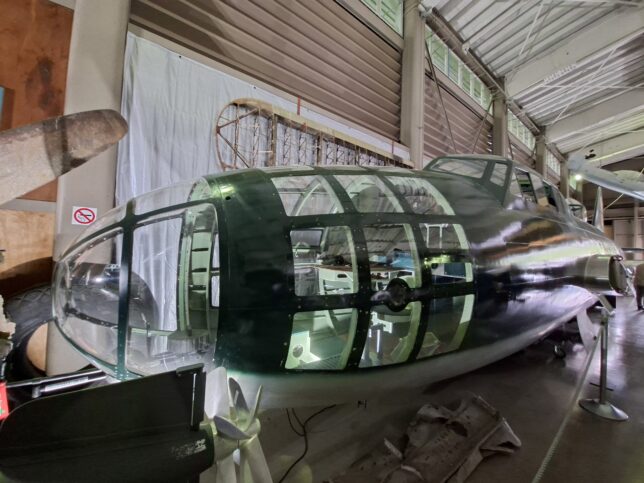
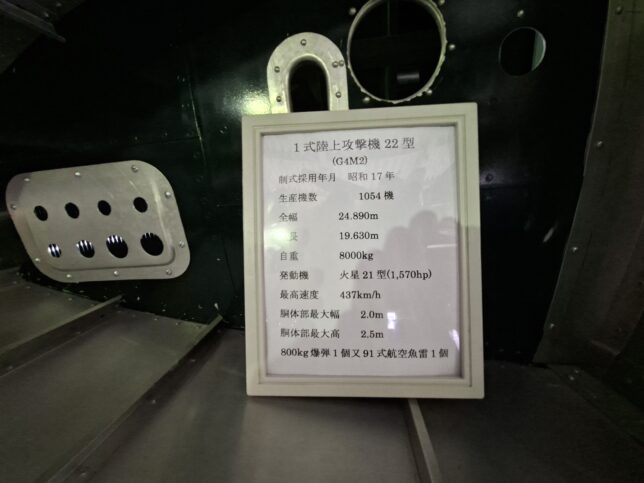
Mitsubishi G4M2 land based attack airplane 22, Fuji Air Museum, Fujizakura Highland, Narusawa village, Yamanashi, 8/18/2026
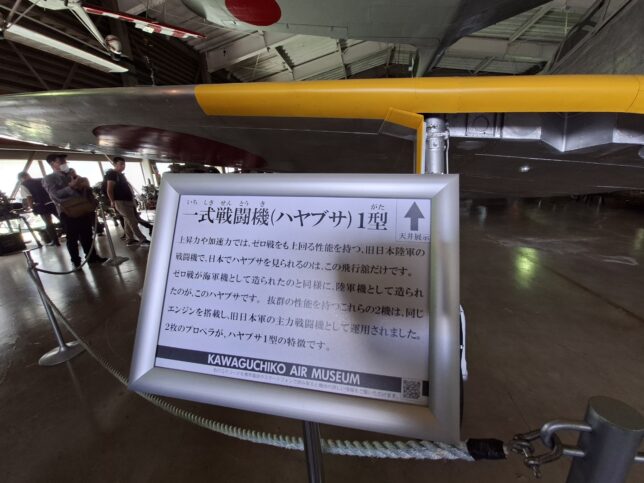
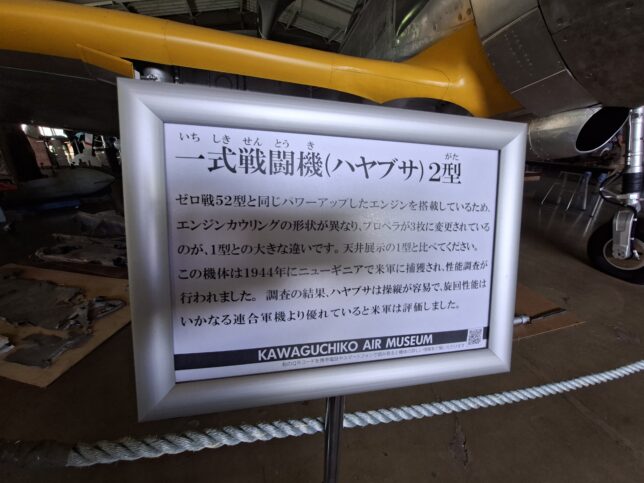
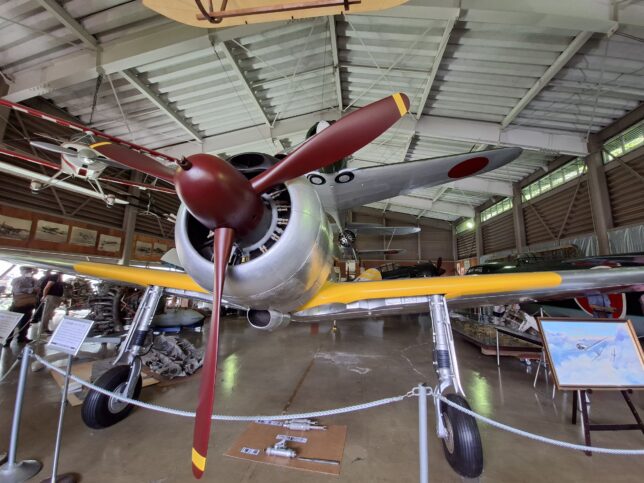
Nakajima Ki43-1/Ki43-2 “Hayabusa” 1 and 2, Fuji Air Museum, Fujizakura Highland, Narusawa village, Yamanashi, 8/18/2026
Fuji Motor Museum:
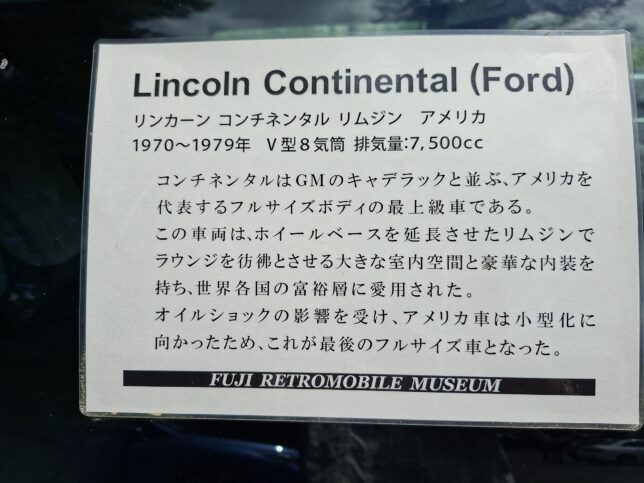
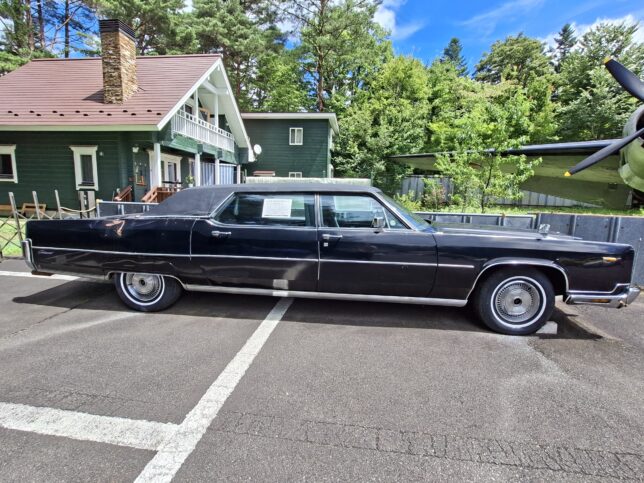
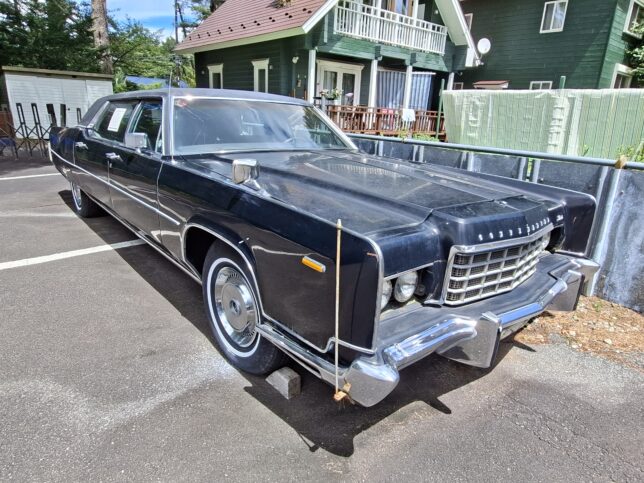
The 1970–1979 Lincoln Continental equipped with the 7500cc (460 cubic inch) big-block V8 represents the pinnacle of the American “land yacht” era, focused on uncompromising luxury, massive road presence, and smooth, effortless cruising power.
Lincoln Continental built by the Ford Motor Company, V8 7500cc-model 1970~1979, Fuji Motor Museum, Fujizakura Highland, Narusawa village, Yamanashi, 8/18/2026
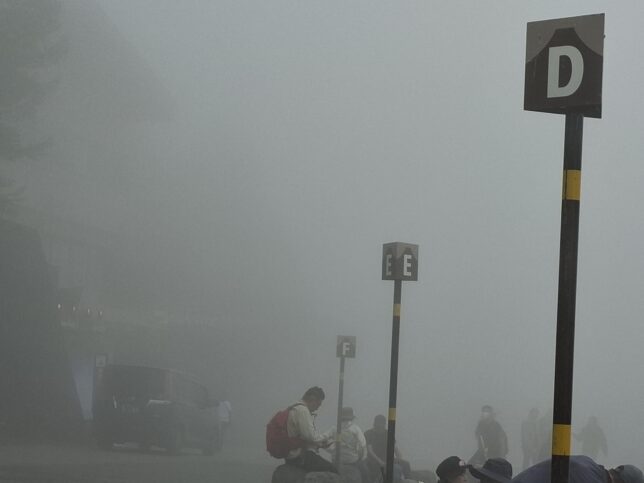
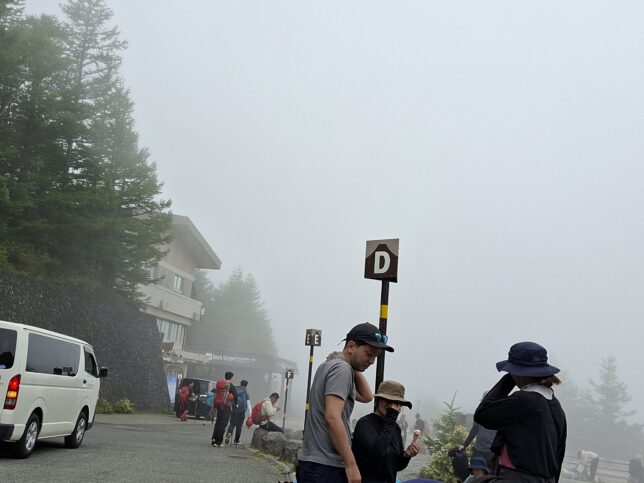
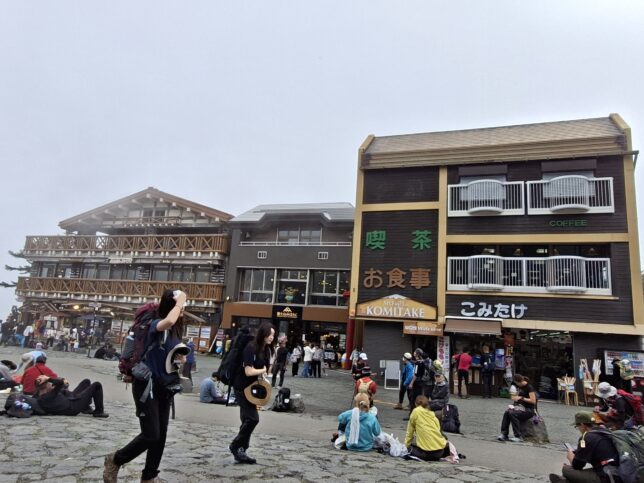
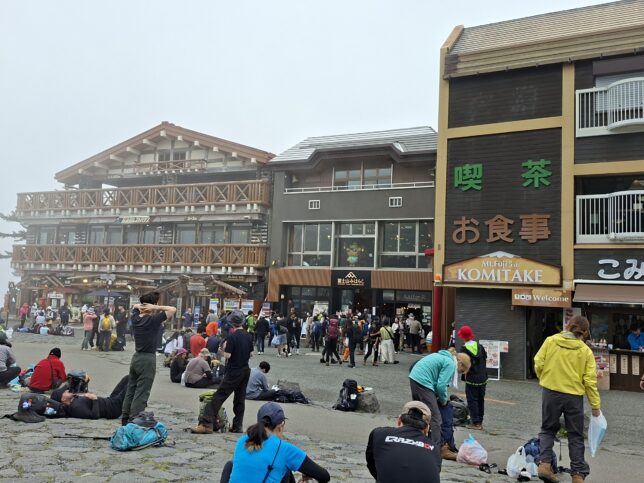
It was very clear in the morning, but now it is so foggy at the Fuji Subaru Line 5th Station (Yoshida Trail 5th Station) located in the Kamiyoshida district in the city of Fujiyoshida in Yamanashi Prefecture, Japan. However, the Fuji Subaru Line 5th Station was heavily crowded with international tourists, day-trippers, and sightseers. The Fuji Subaru Line 5th Station features busy souvenir shops, long lines for photos by landmark signs, and packed tour buses. I vividly remember that I was extremely shocked by the size of multi-story souvenir shops when I first visited the Fuji Subaru Line 5th Station. It was so unreal that I was in the middle of the tallest mountain in Japan. I believe that most people imagine a pristine, quiet mountain trail when thinking of Mount Fuji, so stepping off a bus into what feels like a high-altitude shopping mall is a massive cultural shock.
Fuji Subaru Line 5th Station with a crowd around the plaza in front of the souvenir shops, Fuji Subaru Line 5th Station, Kamiyoshida, Fujiyoshida city, Yamanashi, 8/18, 2026
Bustling Fuji Subaru Line 5th Station, Kamiyoshida, Fujiyoshida city, Yamanashi, 8/18, 2026
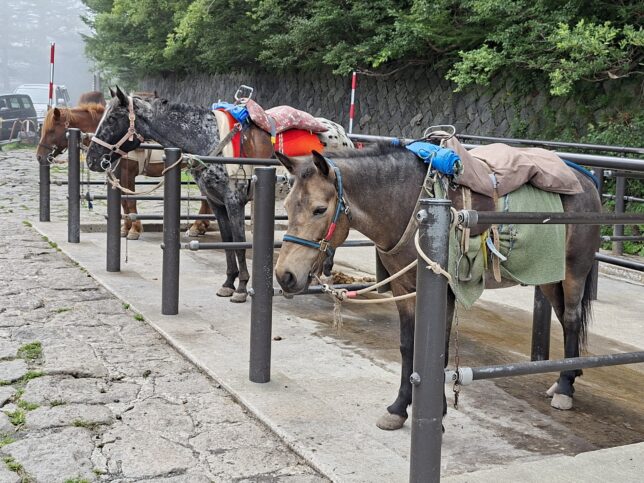
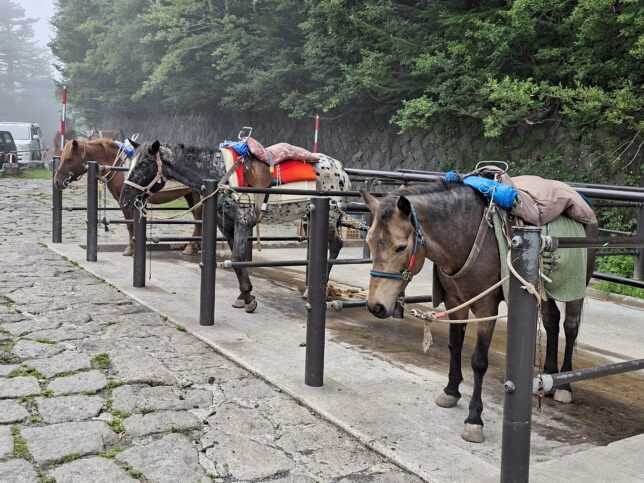
Next to the plaza, you can find some horses. They are waiting for customers. So, you can try a horseback ride here.
Horses for horseback riding, Fuji Subaru Line 5th Station, Kamiyoshida, Fujiyoshida city, Yamanashi, 8/18, 2026
Horses for horseback riding, Fuji Subaru Line 5th Station, Kamiyoshida, Fujiyoshida city, Yamanashi, 8/18, 2026
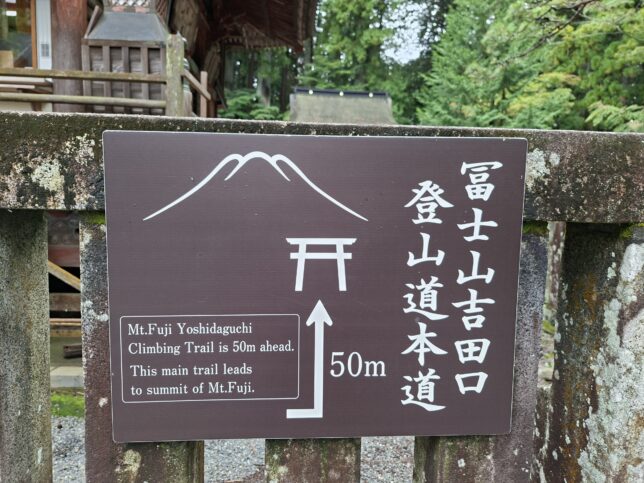
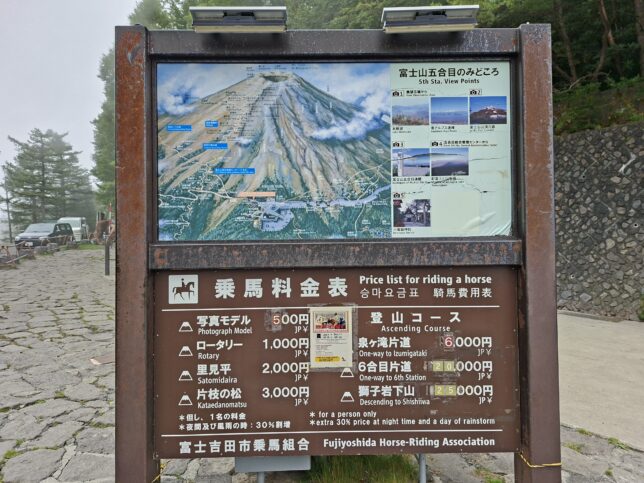
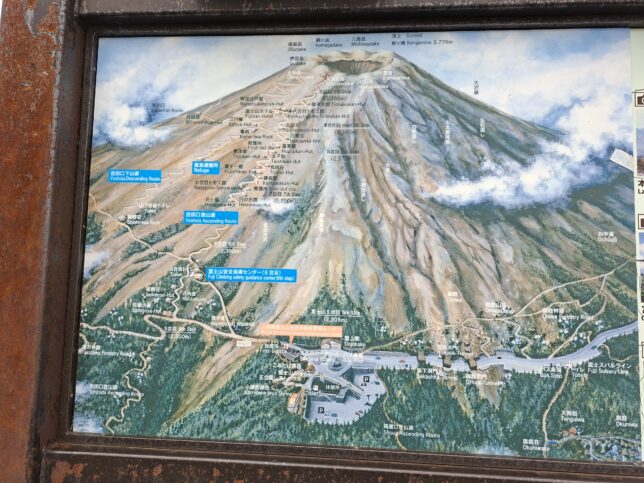
Sign of Mount Fuji Yoshida Trail, Fuji Subaru Line 5th Station, Kamiyoshida, Fujiyoshida city, Yamanashi, 8/18, 2026
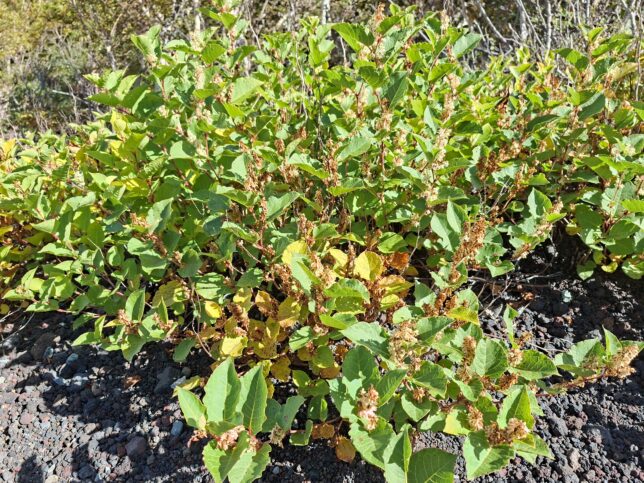
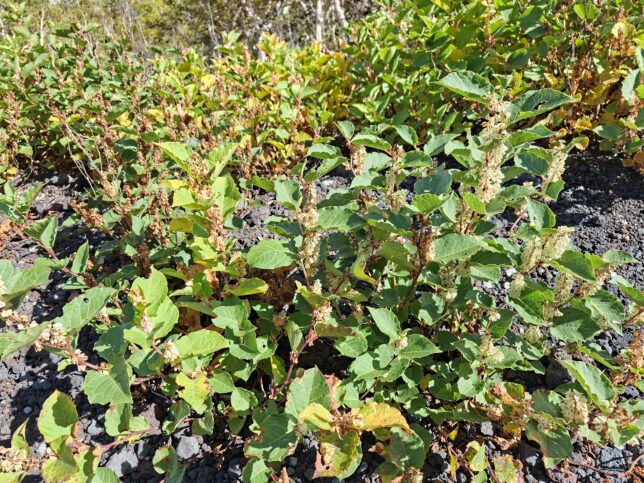
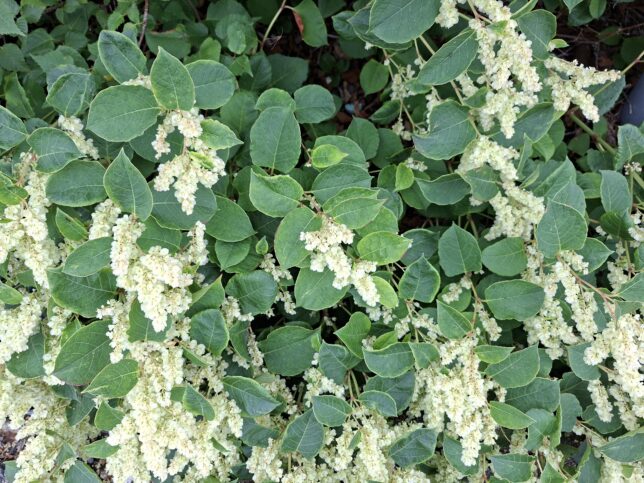
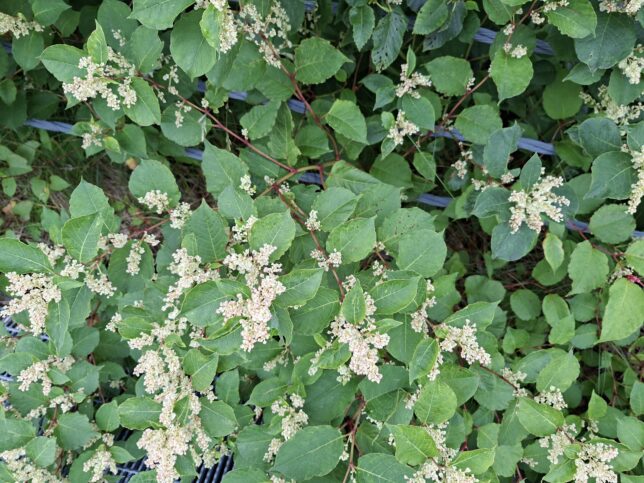
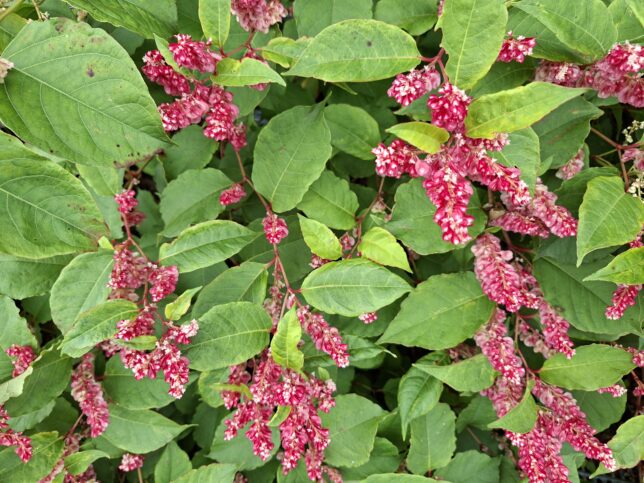
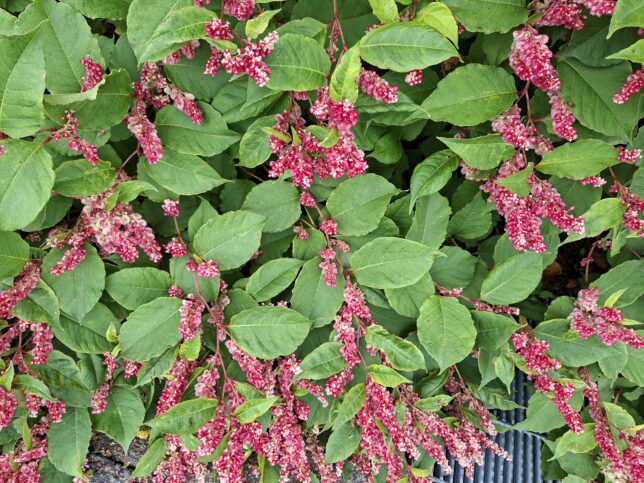
Japanese knotweed along roadsides, Fuji Subaru Line 5th Station, Kamiyoshida, Fujiyoshida city, Yamanashi, 8/18, 2026
Japanese knotweed (Reynoutria japonica), formerly Fallopia japonica and widely known in Japan as Itadori, is a large, fast-growing perennial plant native to East Asia. In Western countries, it is a notorious invasive pest, while in Japan, its young shoots are used in local cuisine and traditional medicine. On Mount Fuji, Japanese knotweed acts as a vital pioneer species. It stabilizes loose, shifting scoria and volcanic ash with its deep root (rhizome) networks, and its decomposing organic matter slowly builds rudimentary soil to help other native plants colonize the harsh volcanic slopes.