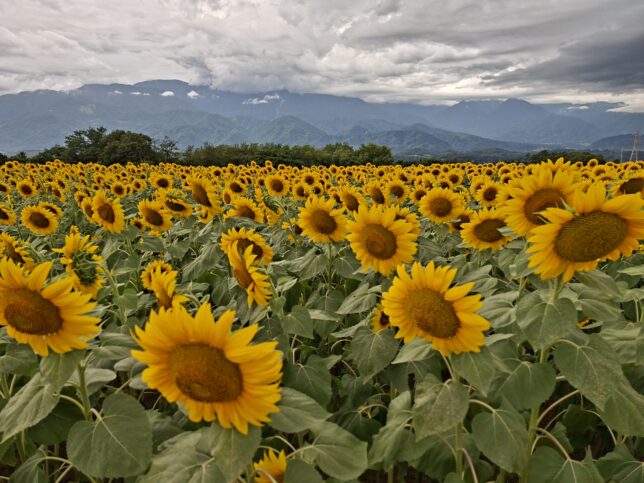
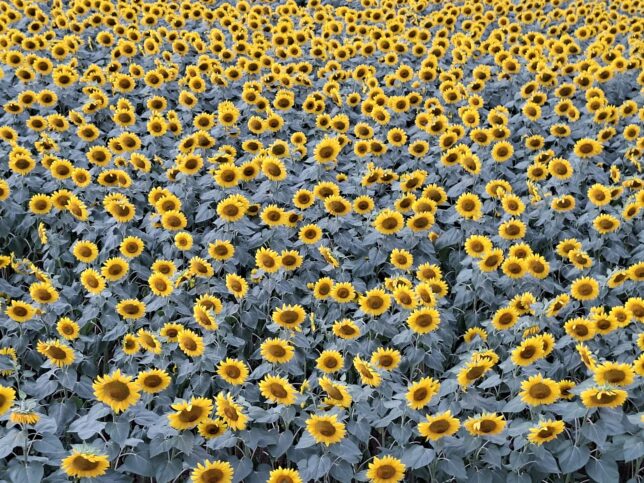
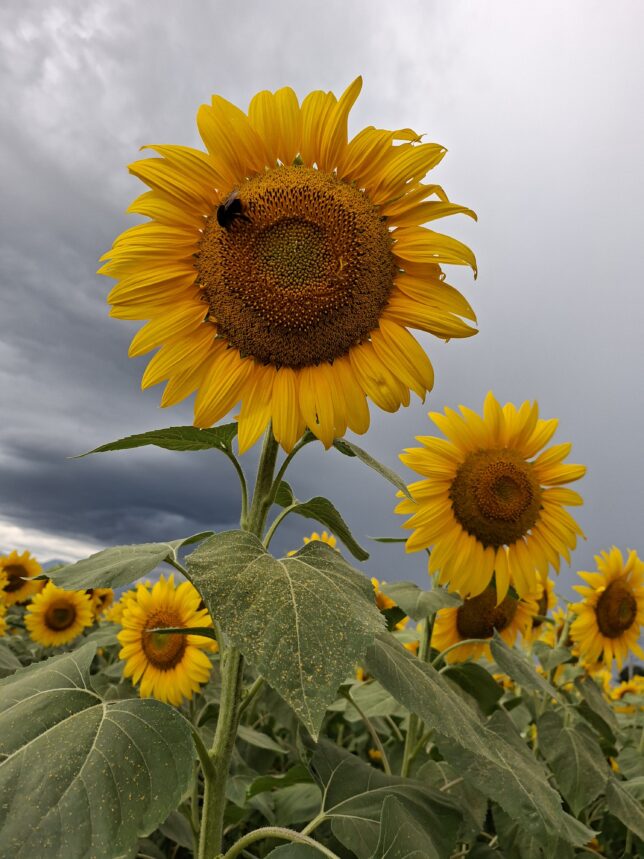
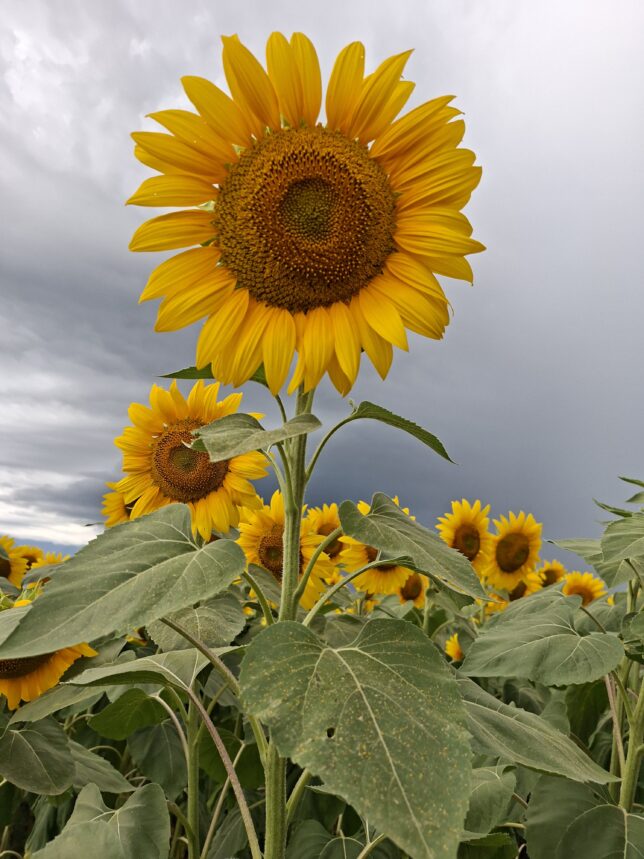
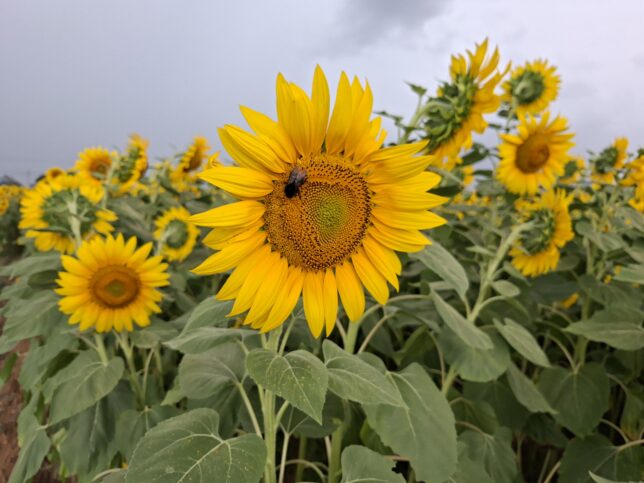
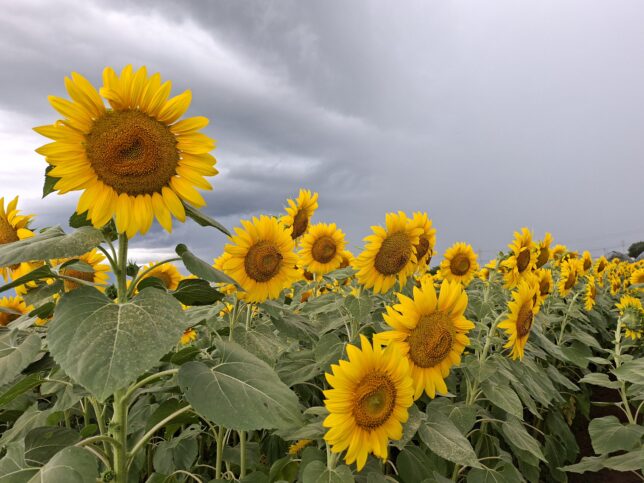
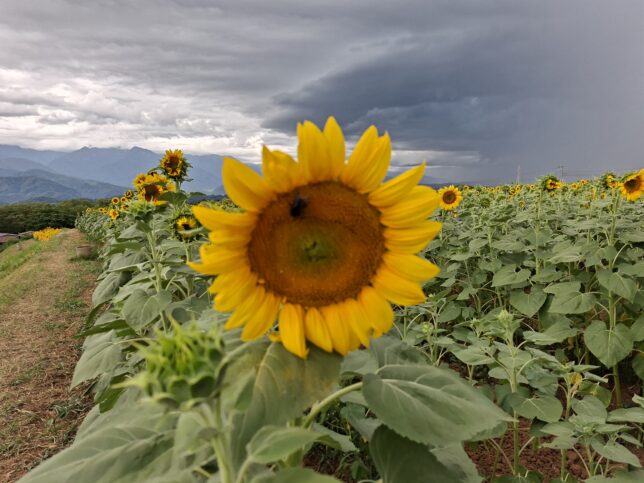
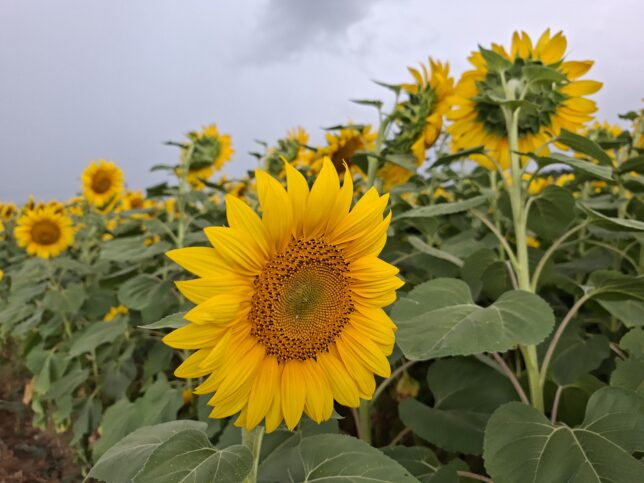
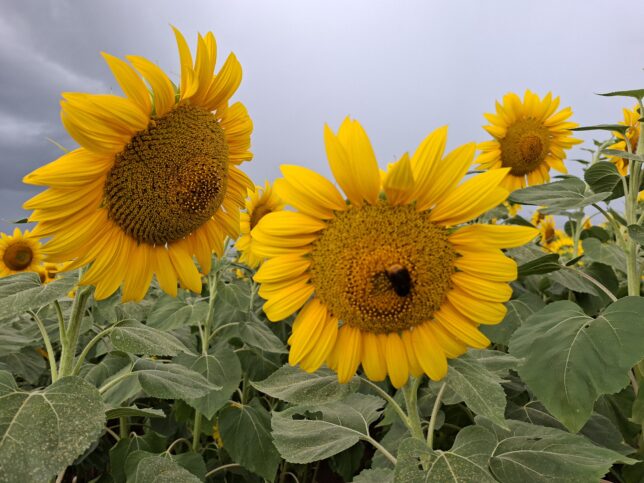
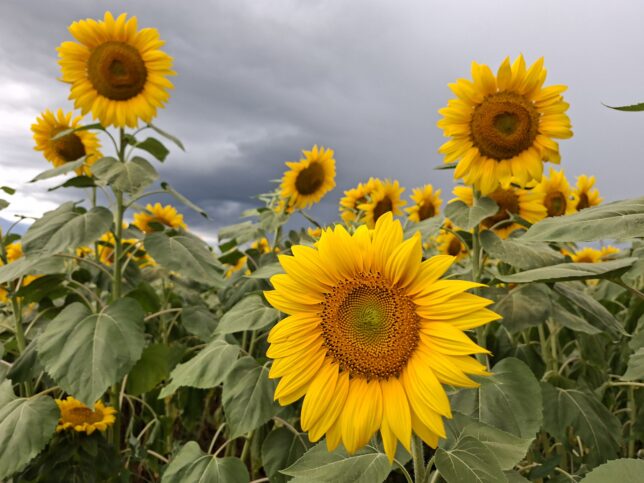
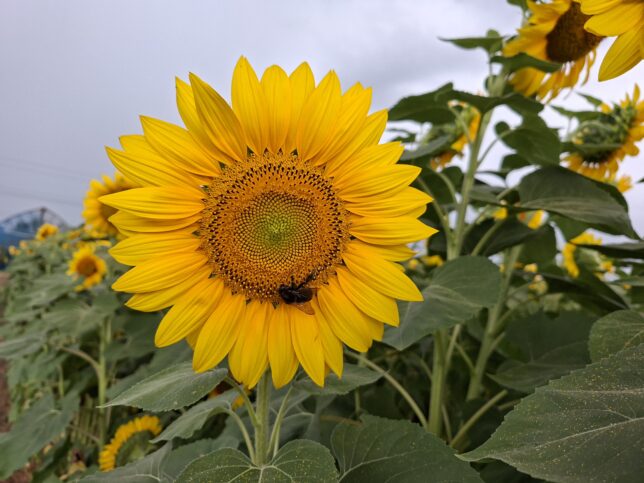
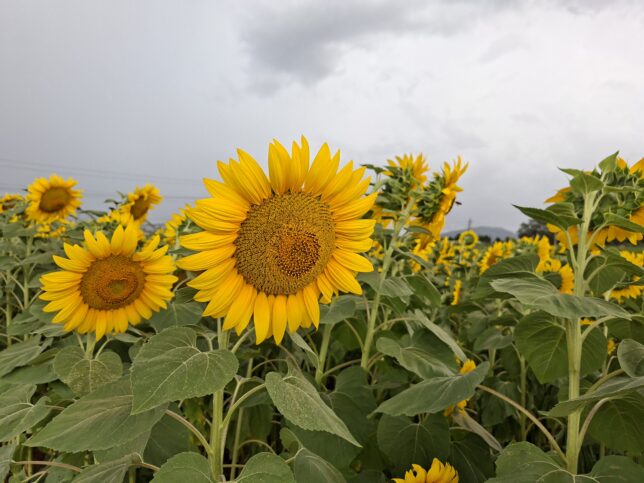
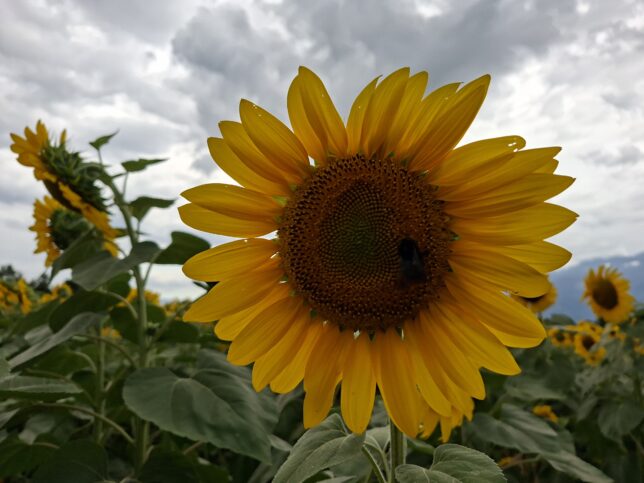
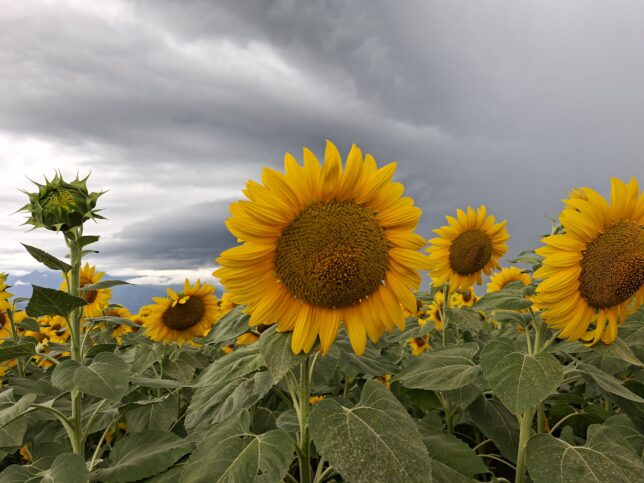
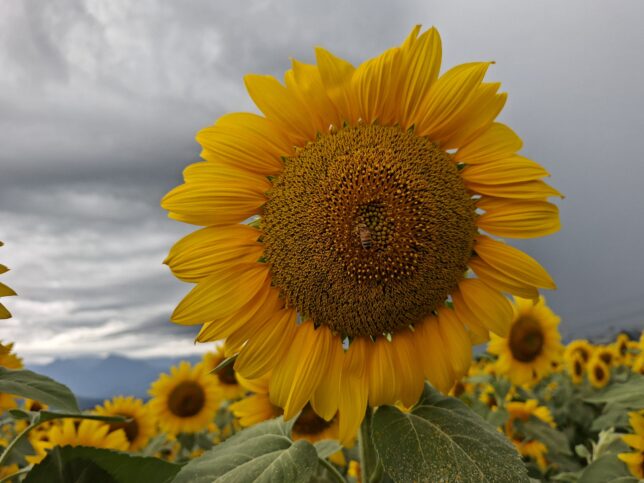
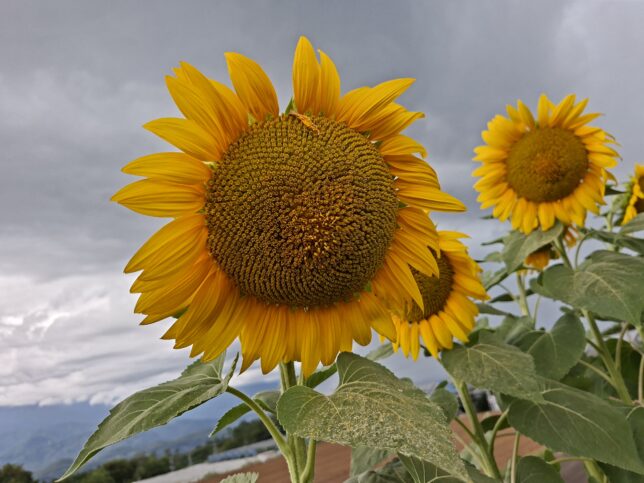
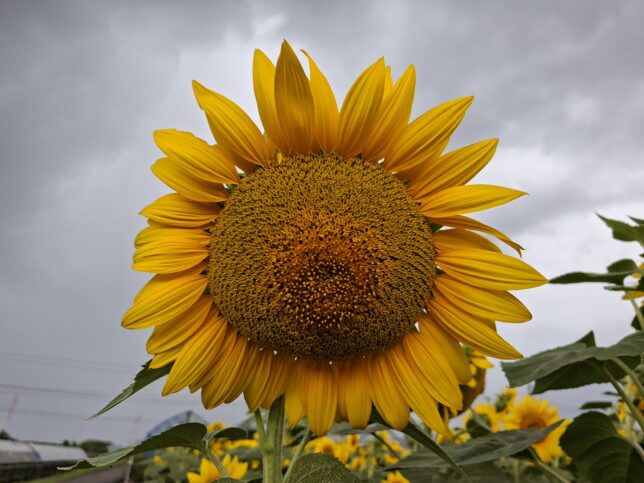
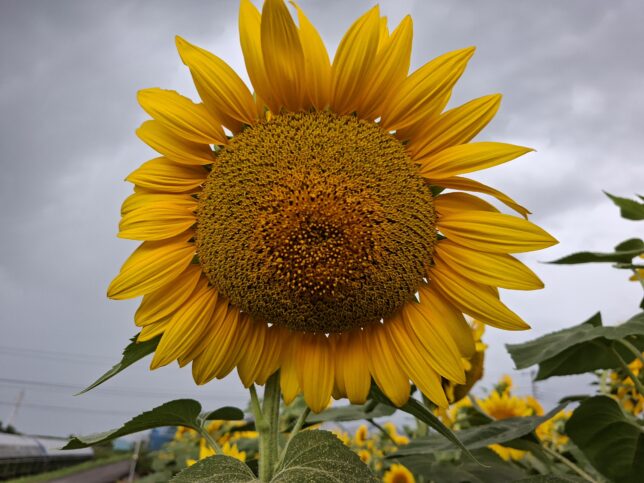
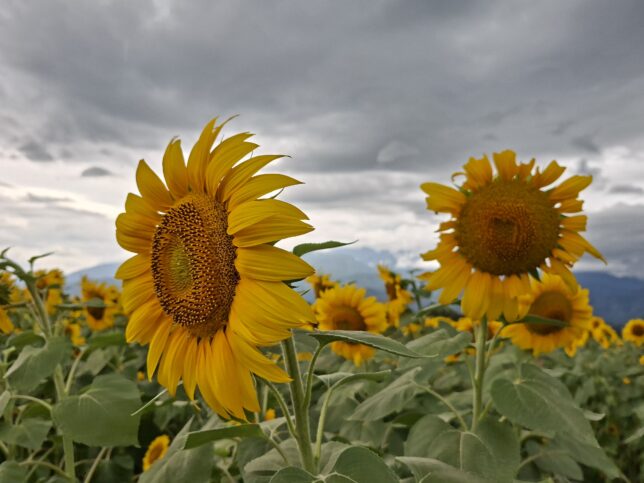
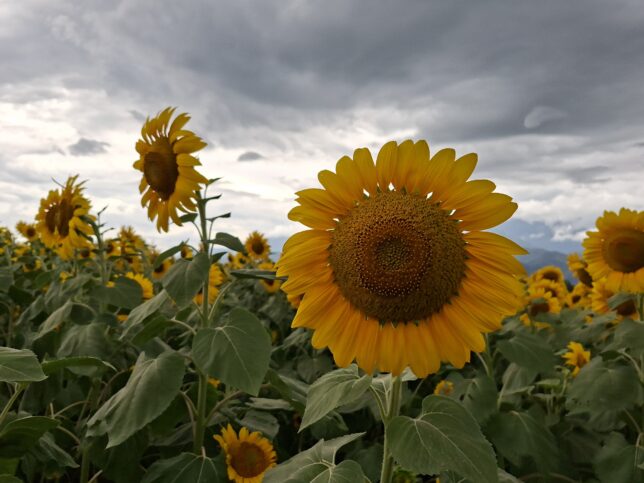
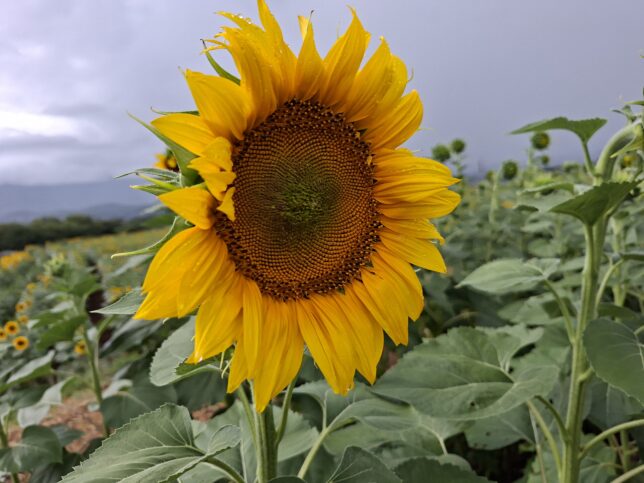
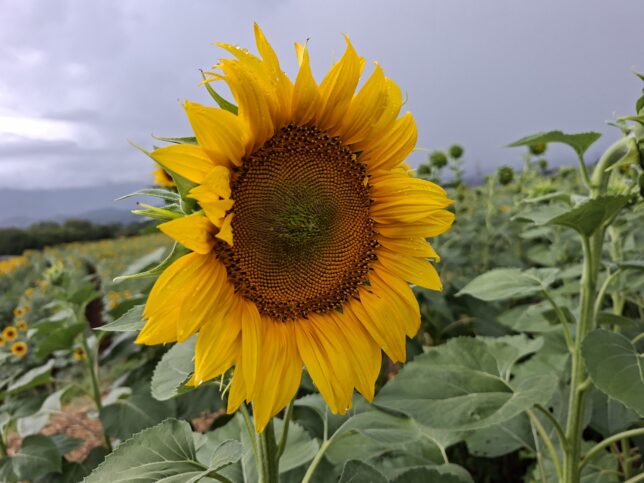
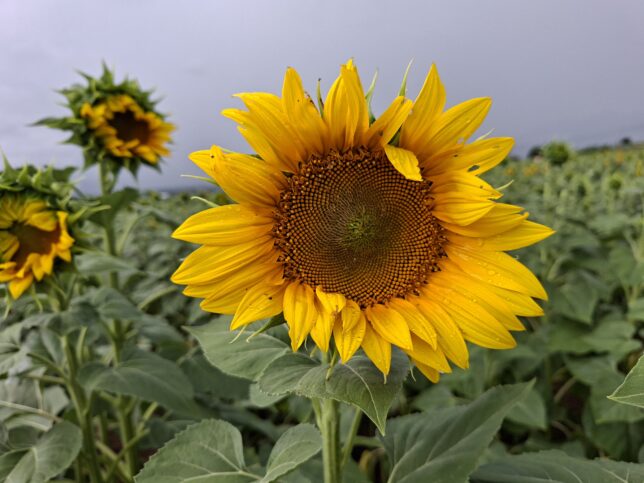
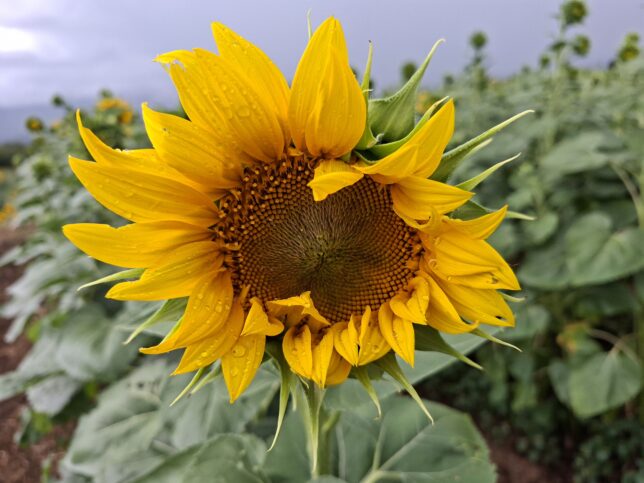
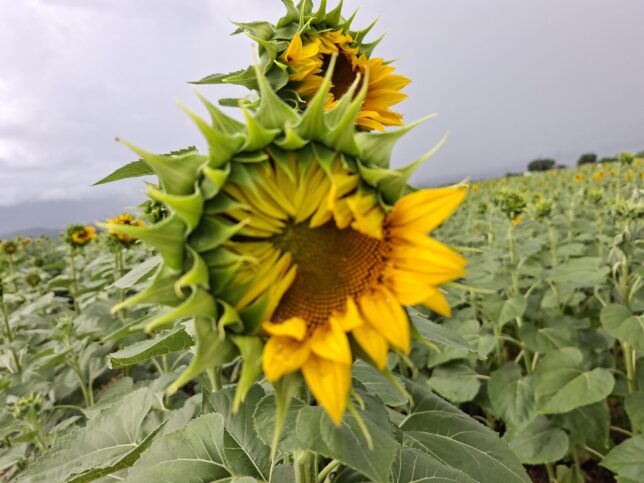
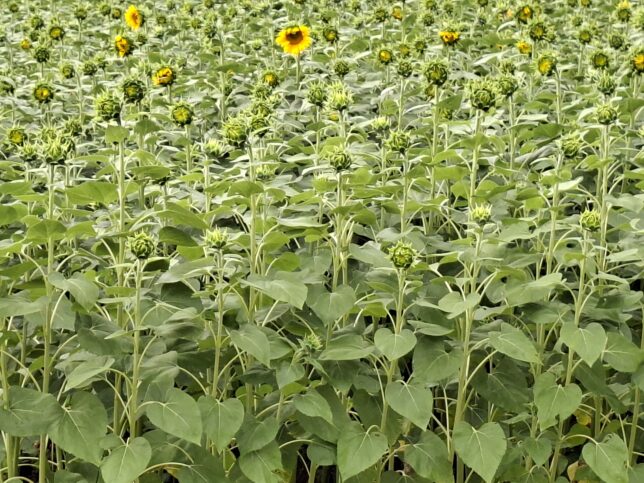
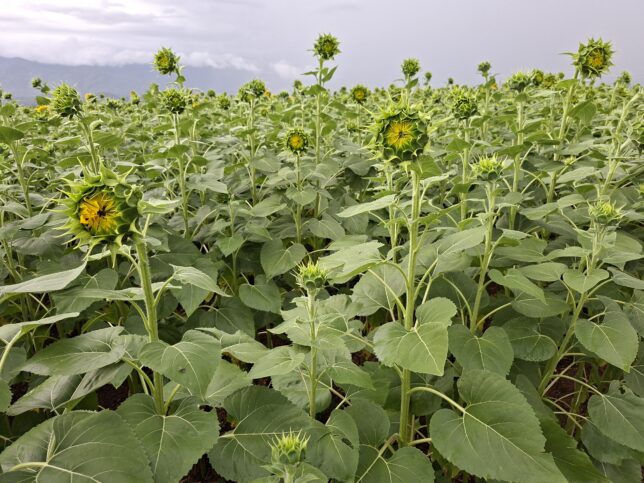
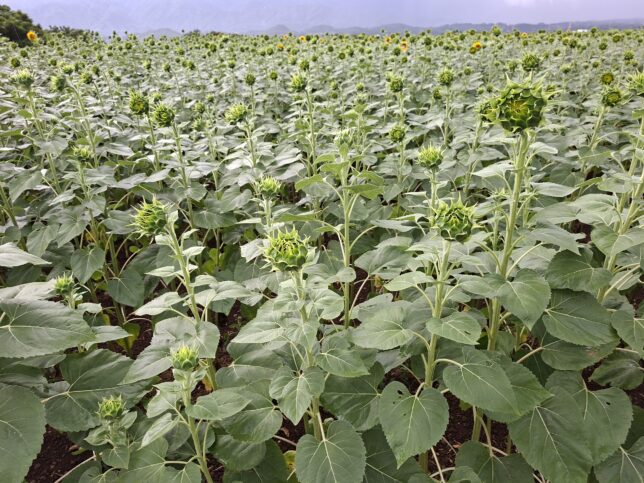
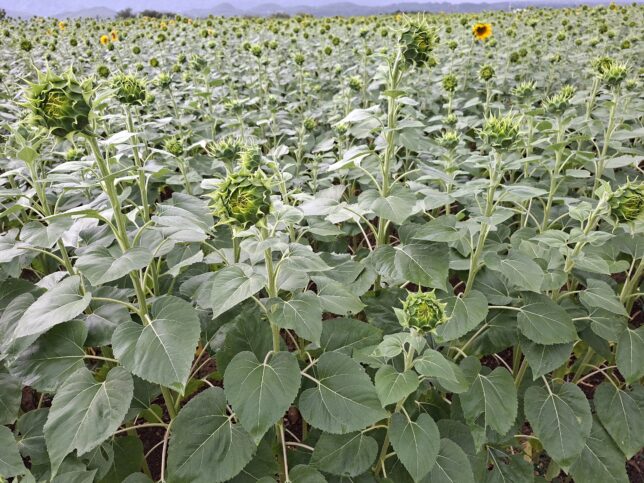
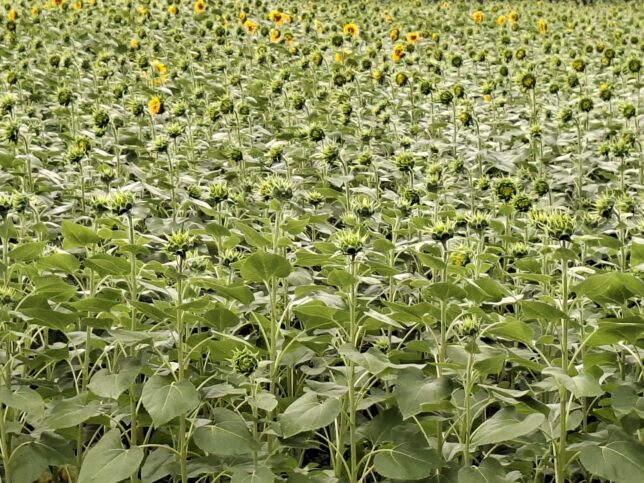
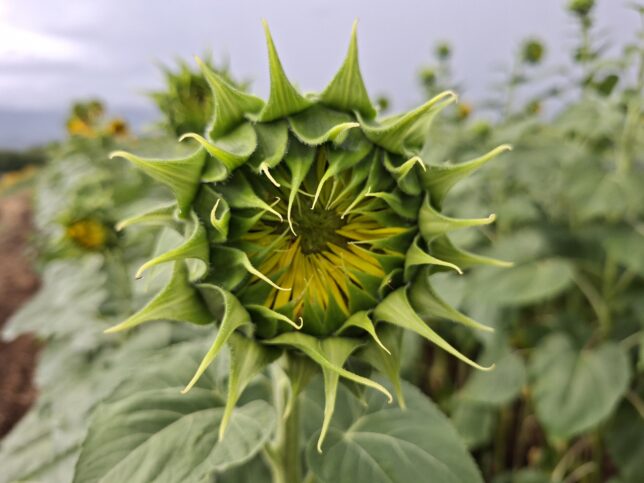
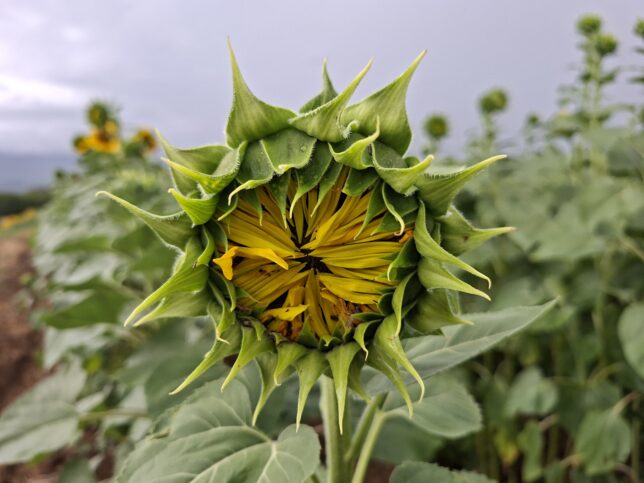
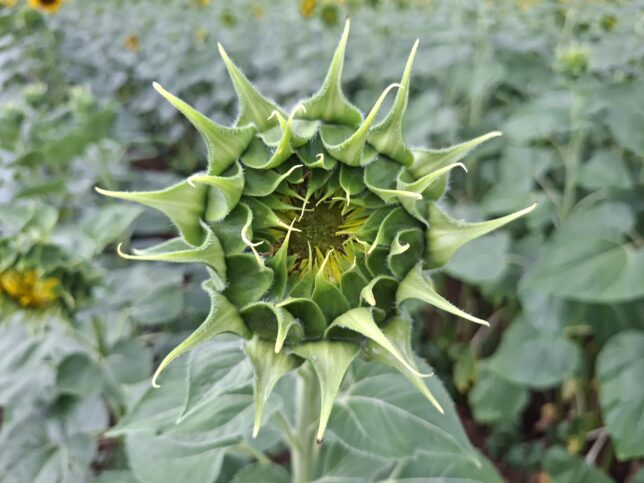
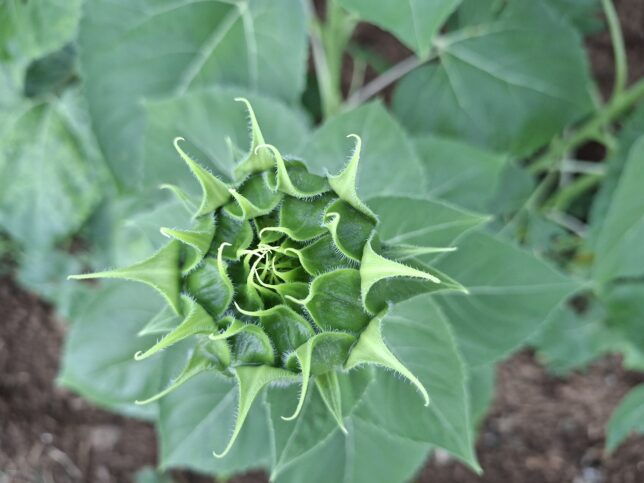
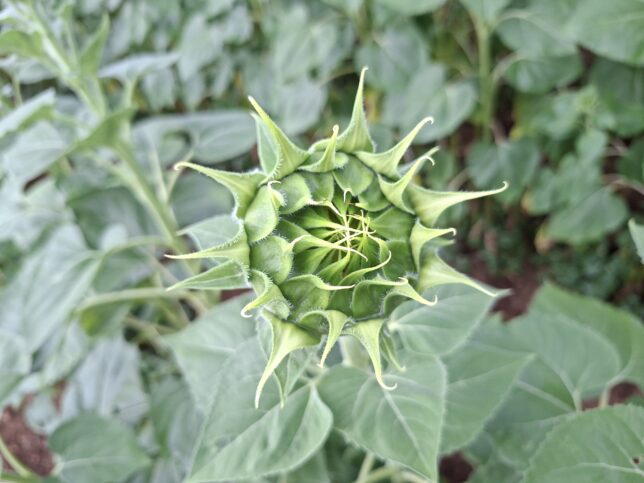
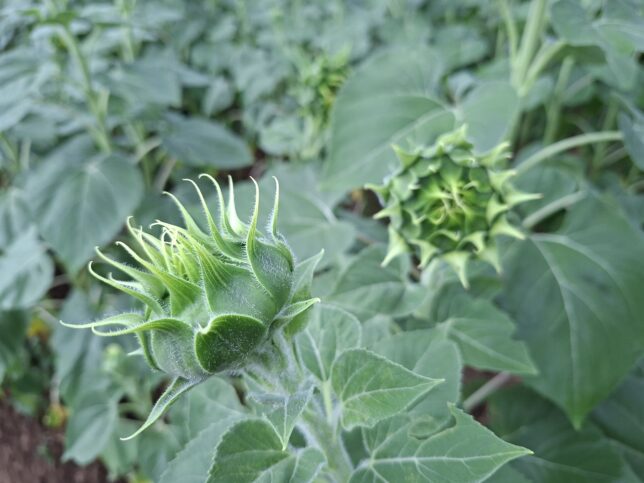
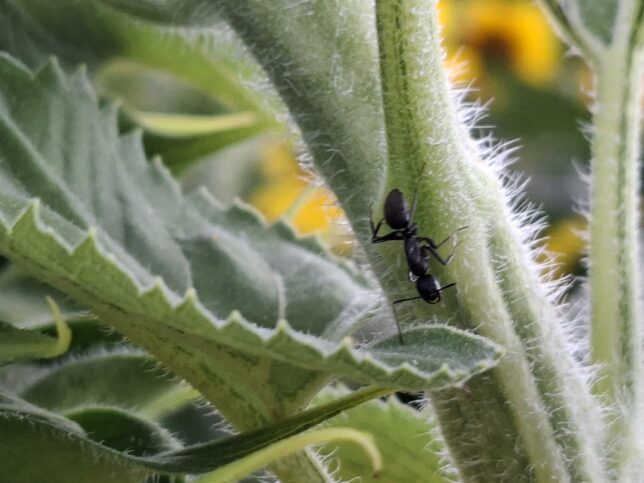
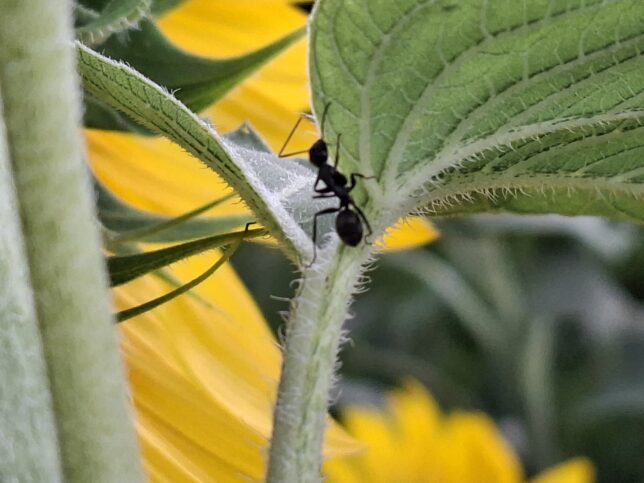
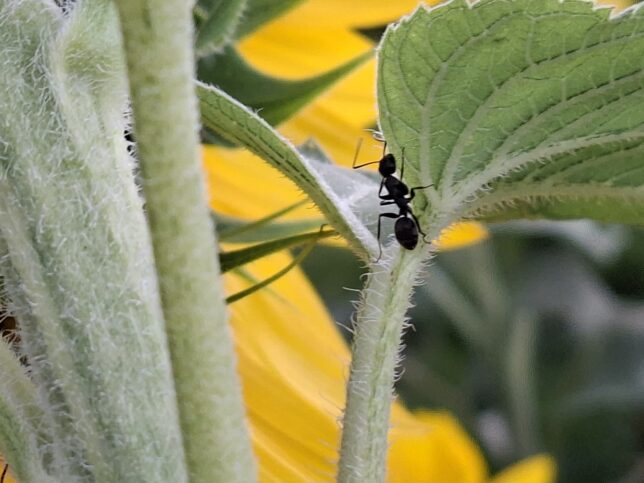
The common sunflower (Helianthus annuus) is very popular all over the world. This year’s Akeno Sunflower Festival, in the town of the Akeno district in the city of Hokuto, Yamanashi Prefecture, Japan, has been held during July 18 through August 16, 2026.
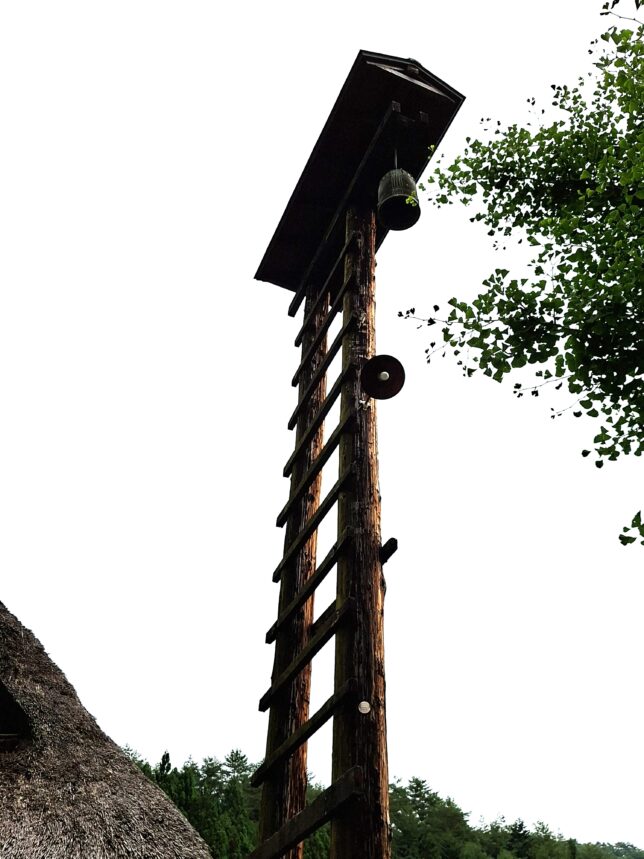
In 1966, an autumn rain front and Typhoon No. 24 (Helen) brought heavy rain to the Lake Sai area, and the following Typhoon No. 26 (Ida) caused the mountainside to give in and finally collapse. The resulting mud and debris flow swept downstream and hit the village of Nenba. Of the 41 thatched-roof houses, 37 were totally or partially destroyed. The village disappeared.
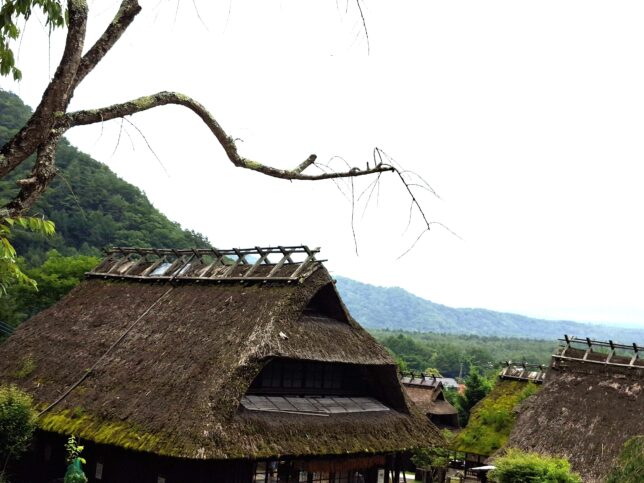
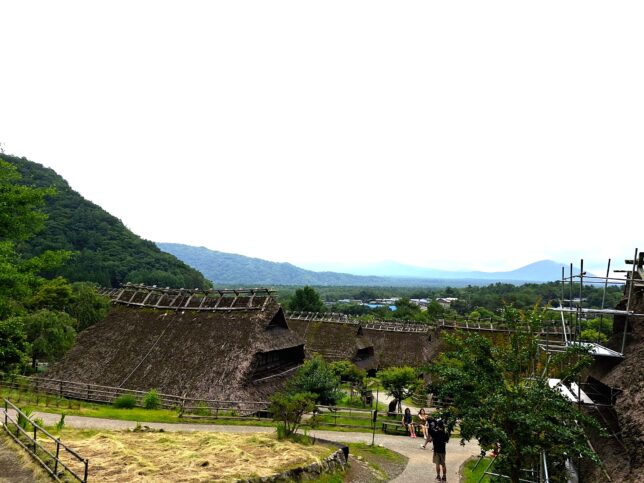
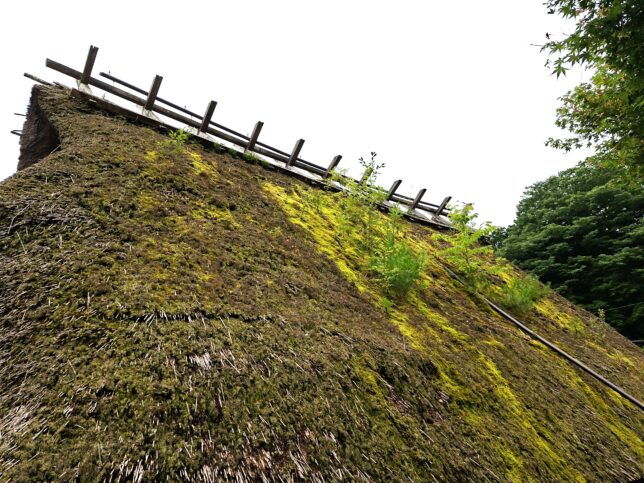
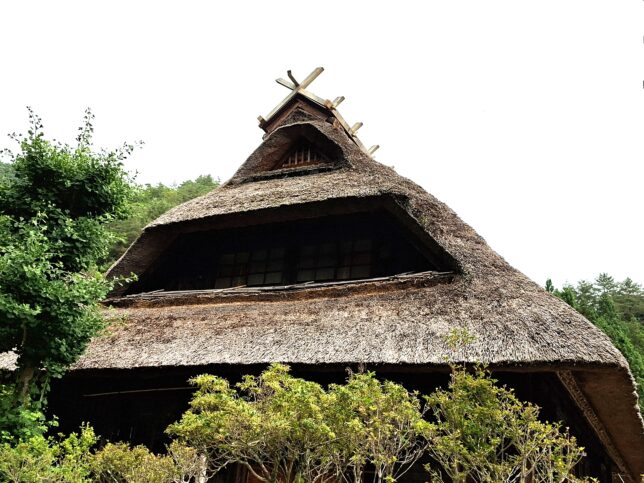
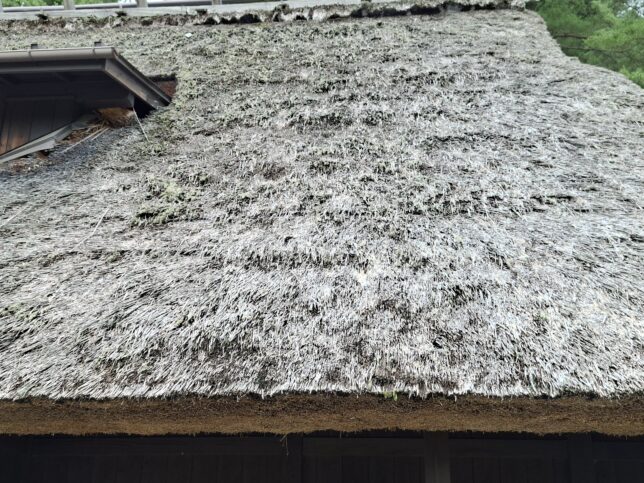
Forty years later in 2006, Saiko Iyashi-no-Sato Nenba was established. Twenty thatched-roof houses were built, aiming to restore the beautiful, original landscape of the village. The project also sought to create a new hub for tourism and cultural exchange by leveraging the region’s history, culture, and unique natural environment. Saiko Iyashi-no-Sato Nenba is located in the Nenba region in the town of Fujikawaguchiko in Yamanashi Prefecture, Japan.
Saiko Iyashi-no-Sato Nenba, Lake Sai, Fujikawaguchiko town, Yamanashi, 7/07/2026
Kimono and samurai armor rentals are available at the Hinomiya shop located inside Saiko Iyashi-no-Sato Nenba. The experience currently costs 2,000 yen per person plus a 500 yen village entrance fee and lets you walk around the traditional thatched-roof village with Mount Fuji in the background.
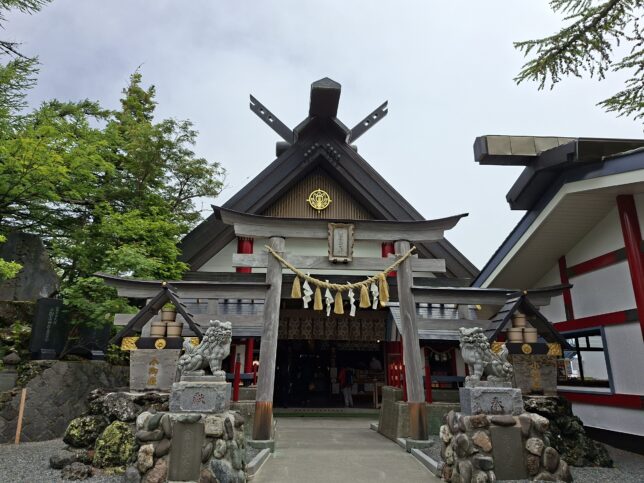
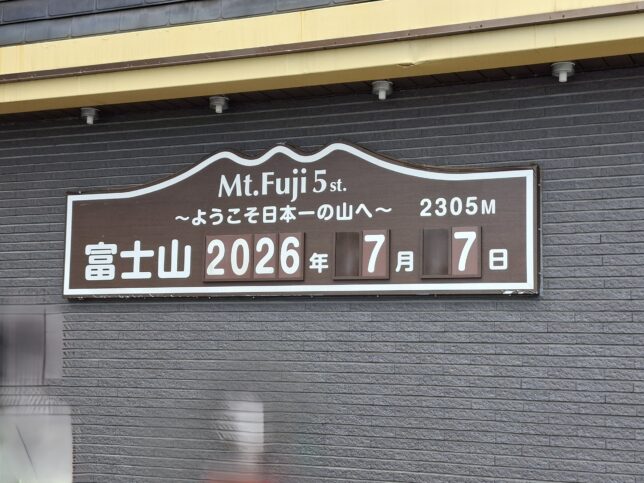
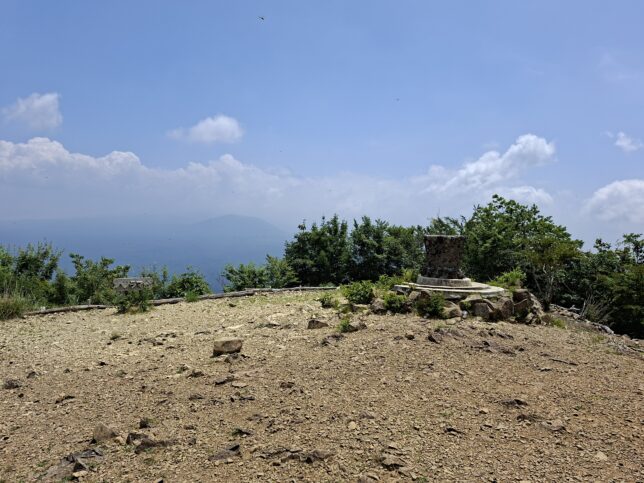
Komitake Shrine and a sign of an elevation of 2,305 meters (7,562.34 feet) above sea level, Fuji Subaru Line 5th Station, Kamiyoshida, Fujiyoshida city, Yamanashi, 7/07/2026
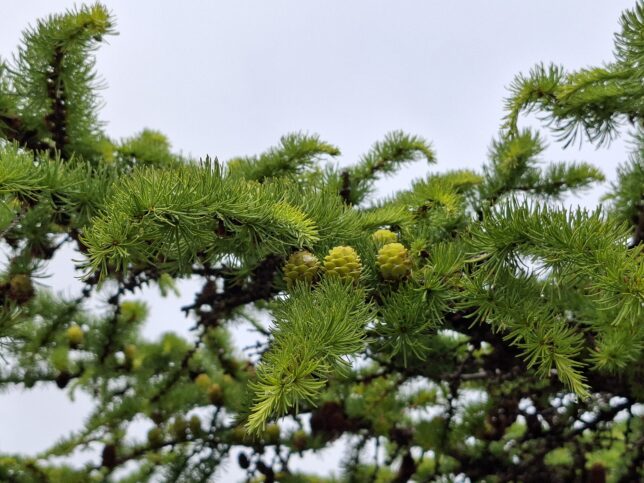
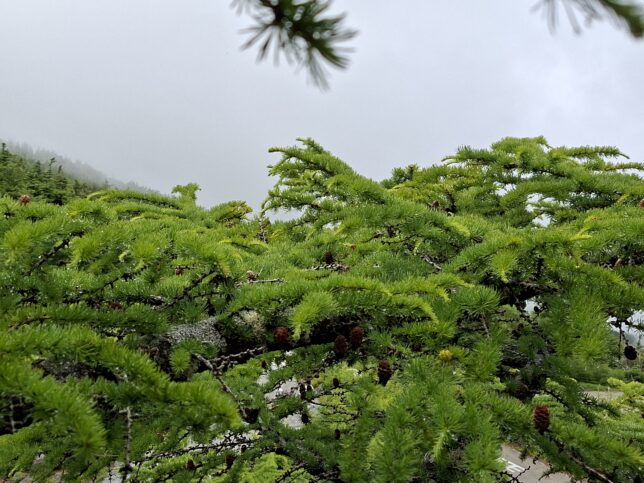
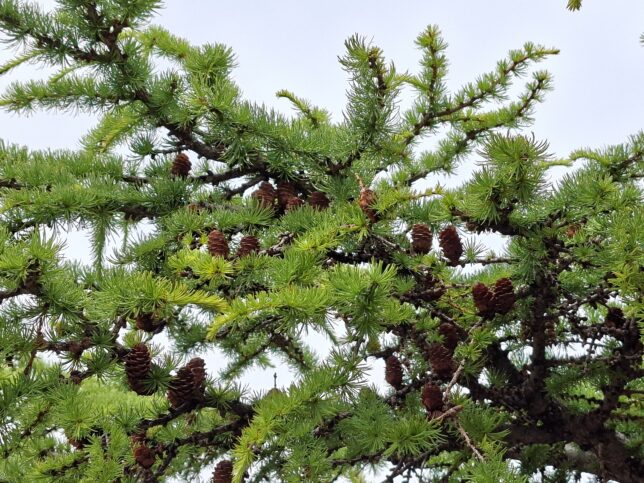
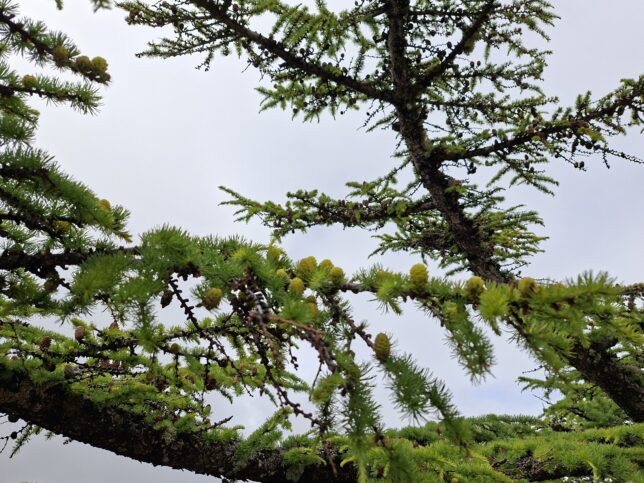
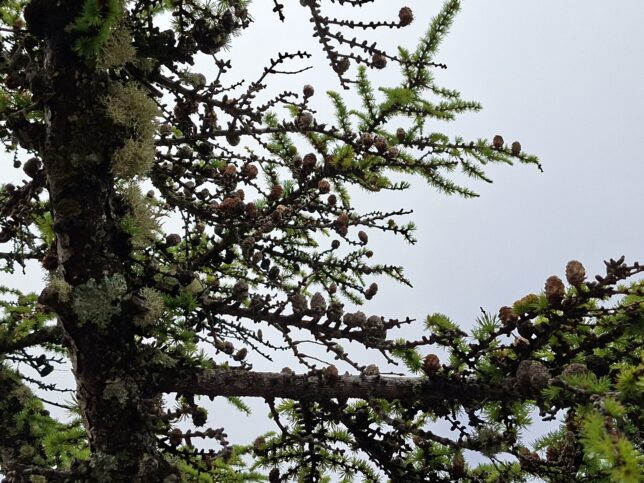
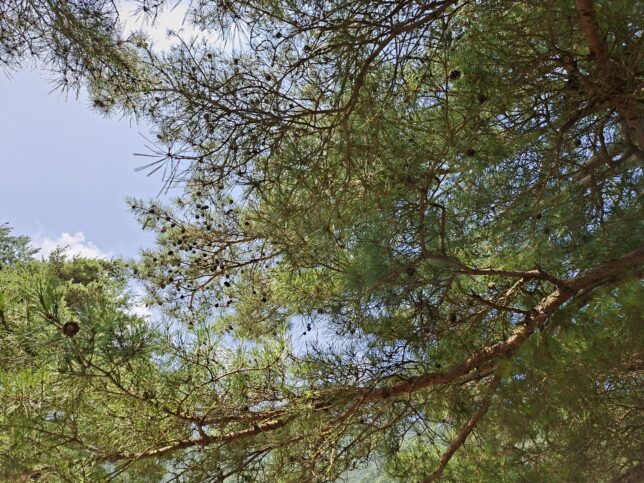
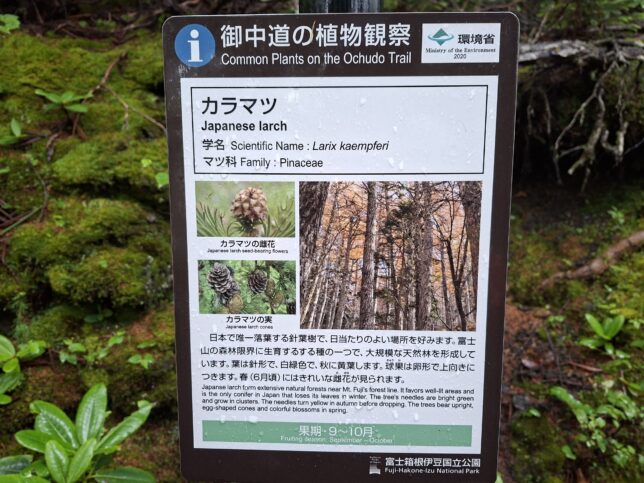
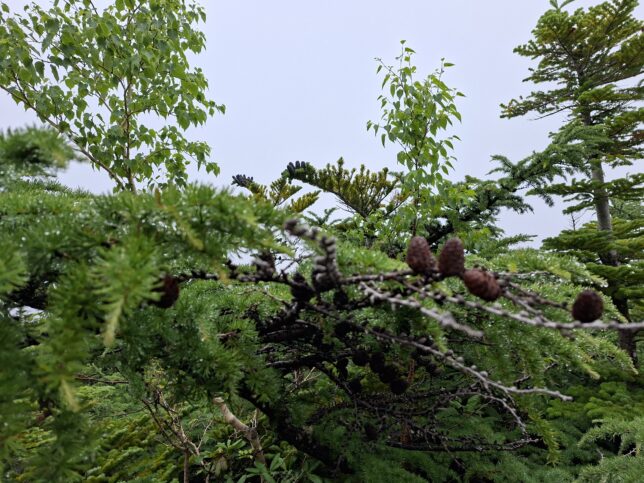
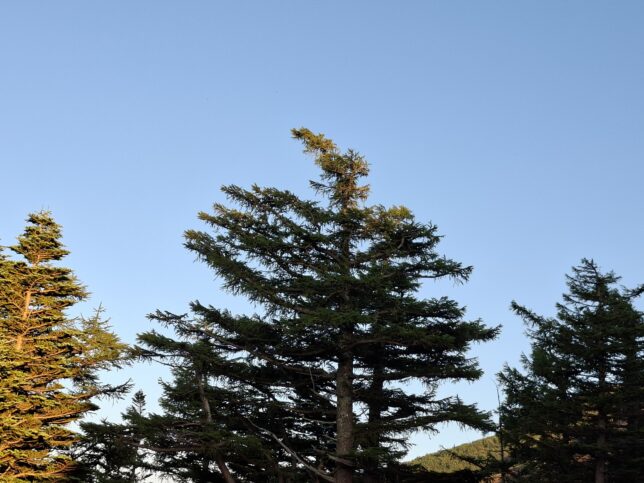
Japanese larch (Larix kaempferi), Fuji Subaru Line 5th Station, Kamiyoshida, Fujiyoshida city, Yamanashi, 7/07/2026
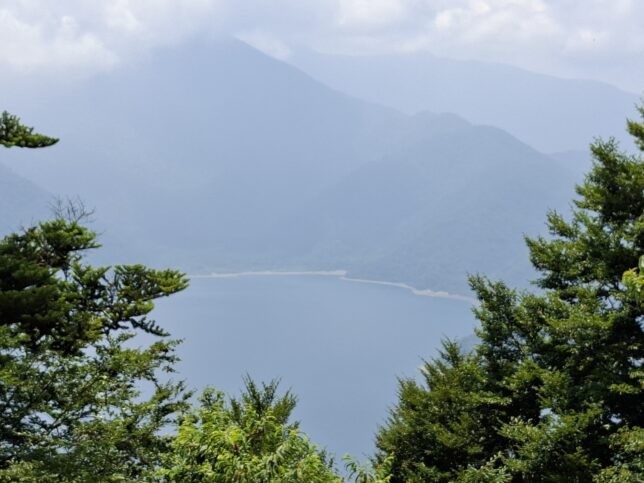
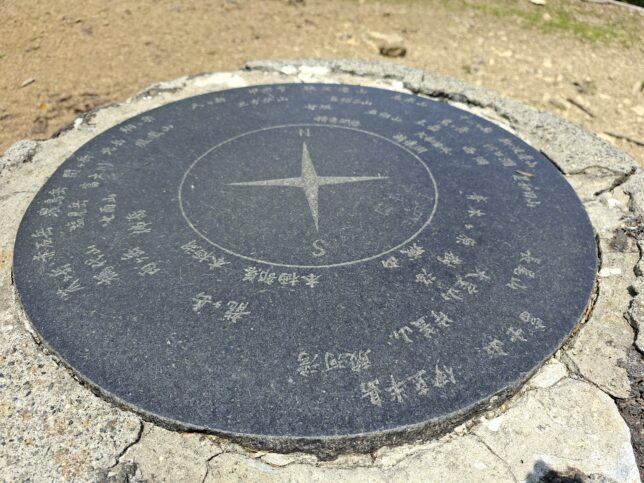
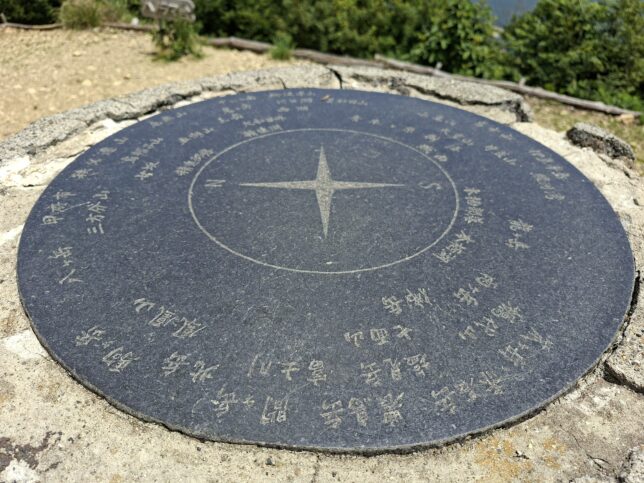
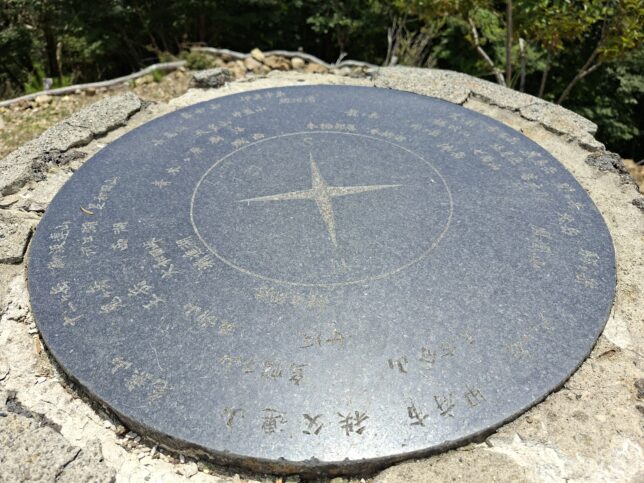
The Panorama Observation Deck (Panoramadai) at Lake Shoji is a scenic mountain viewpoint sitting at an elevation of 1,325 meters, offering an unobstructed view of Mount Fuji, the Aokigahara Sea of Trees, and both Lake Shoji and Lake Motosu. The Panorama Observation Deck is located in the town of Fujikawaguchiko in Yamanashi Prefecture, Japan.
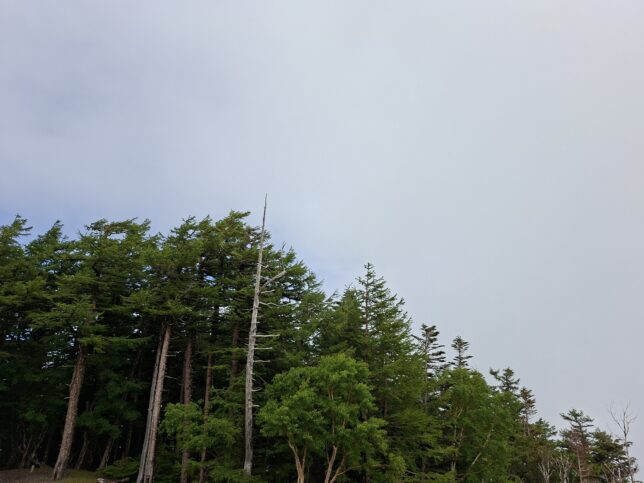
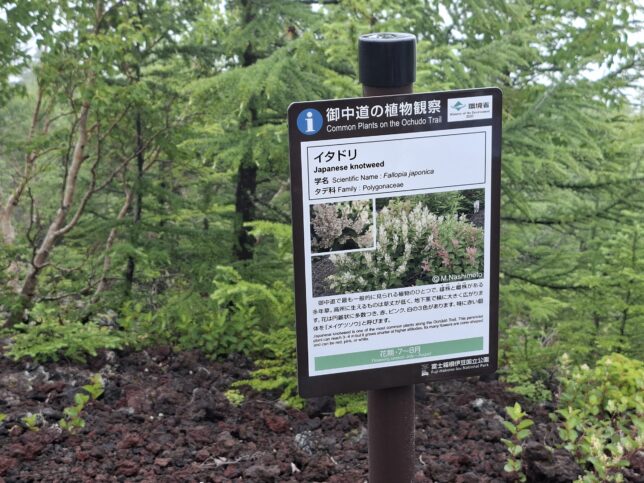
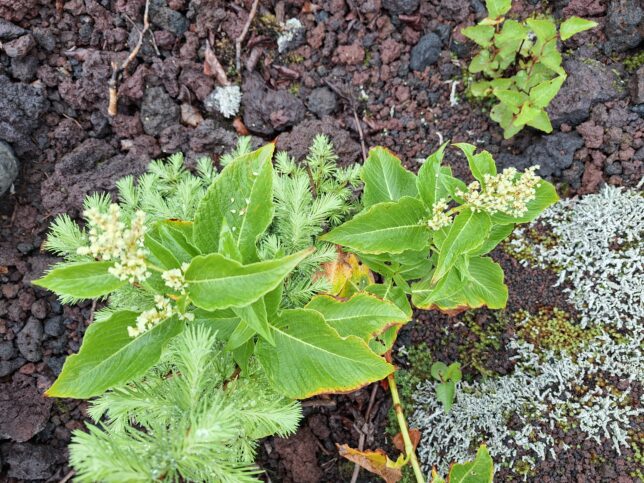
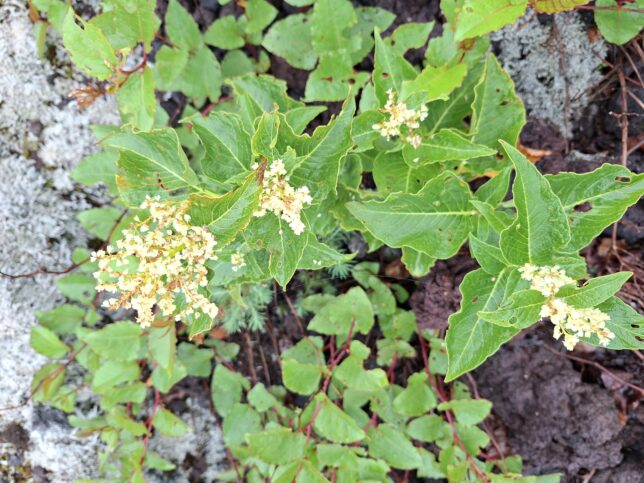
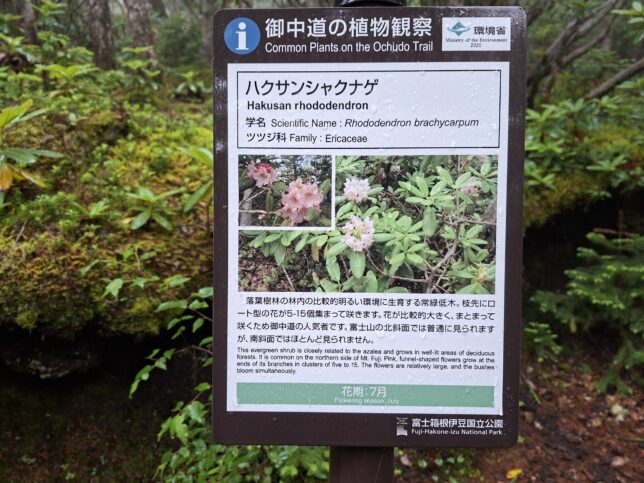
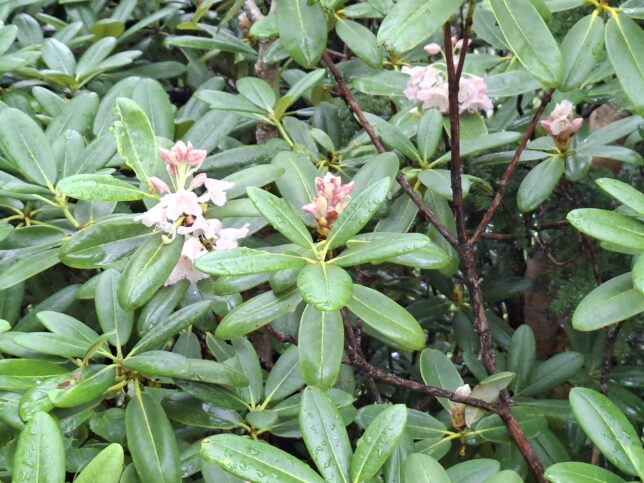
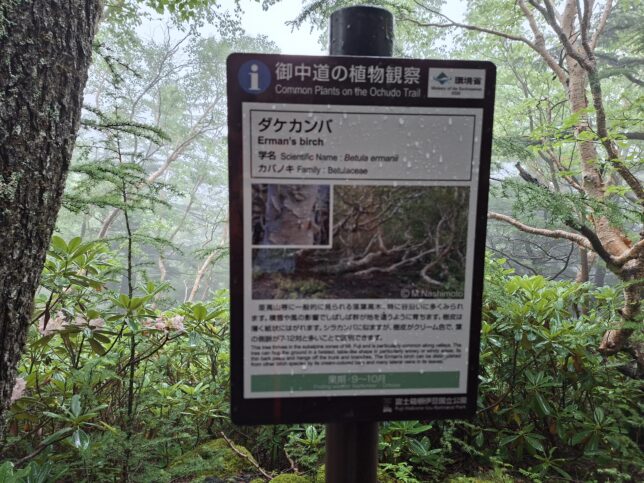
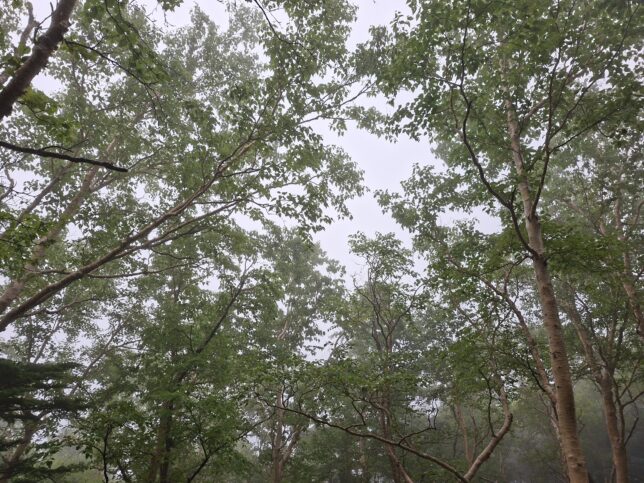
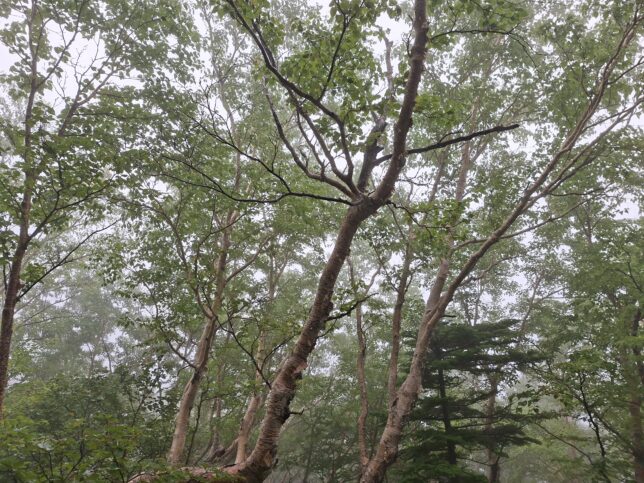
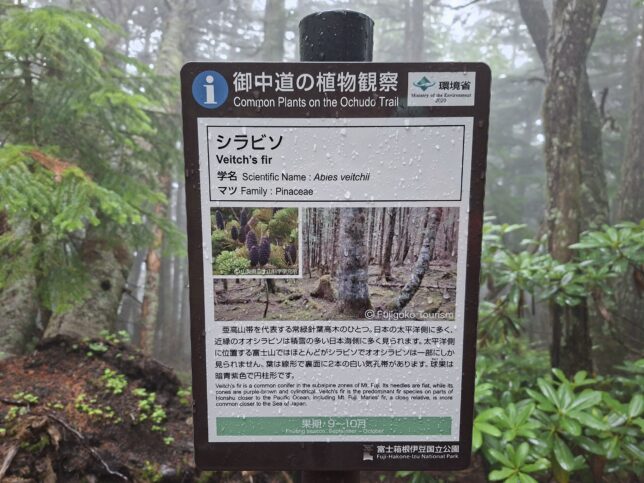
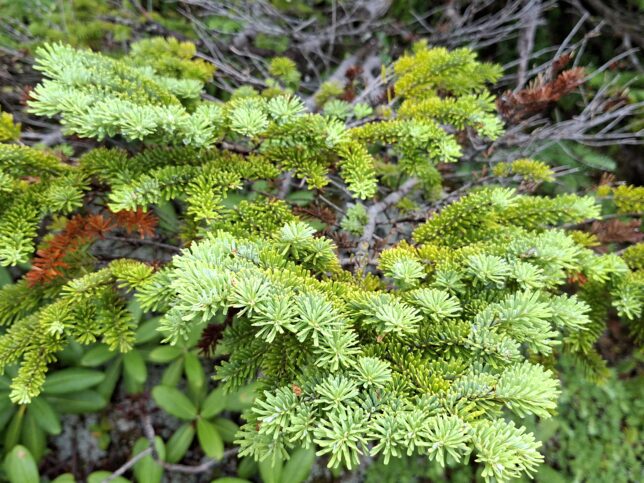
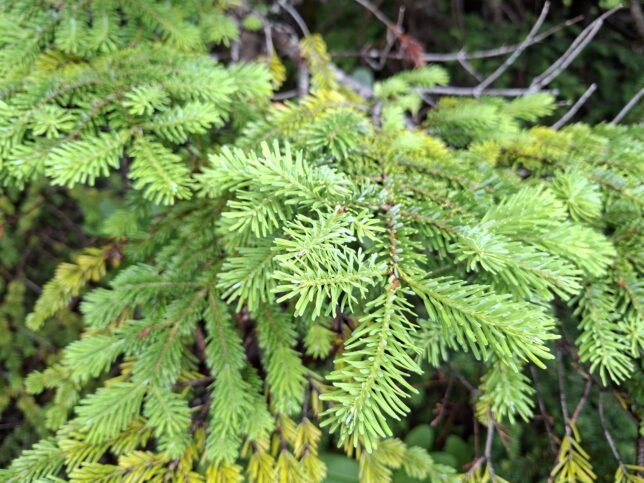
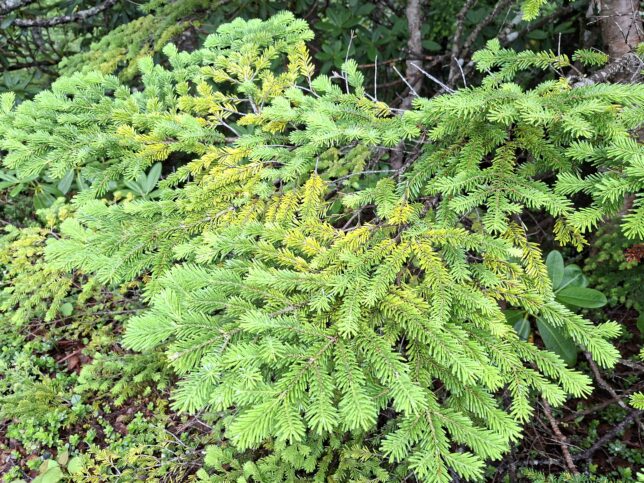
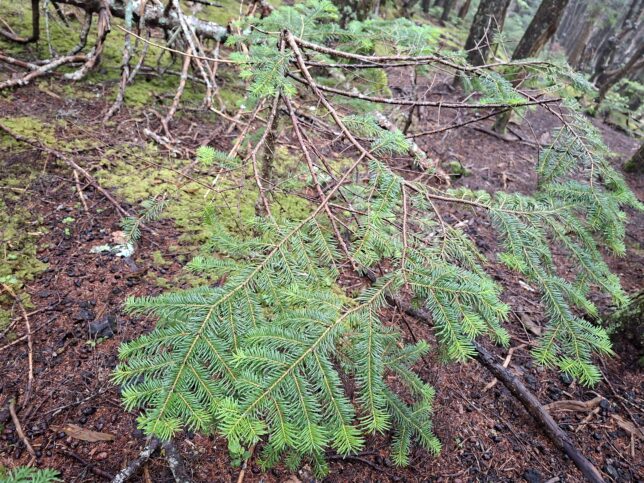
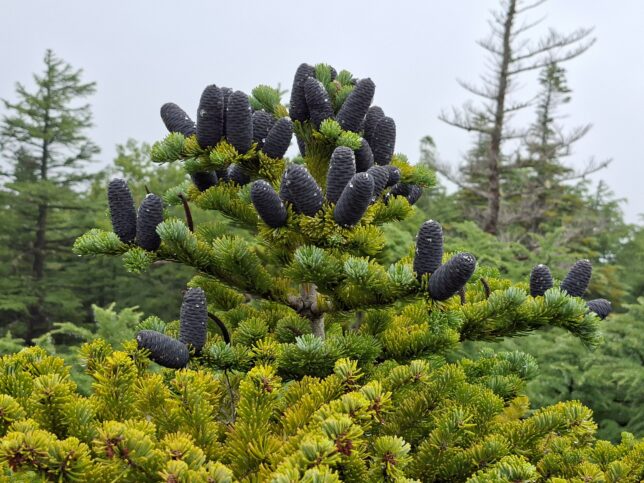
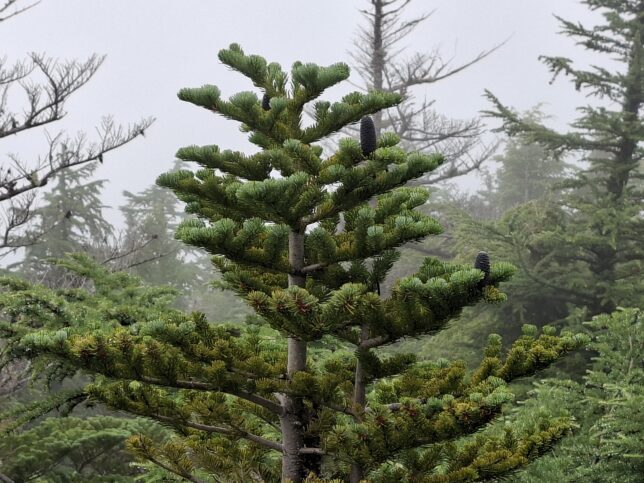
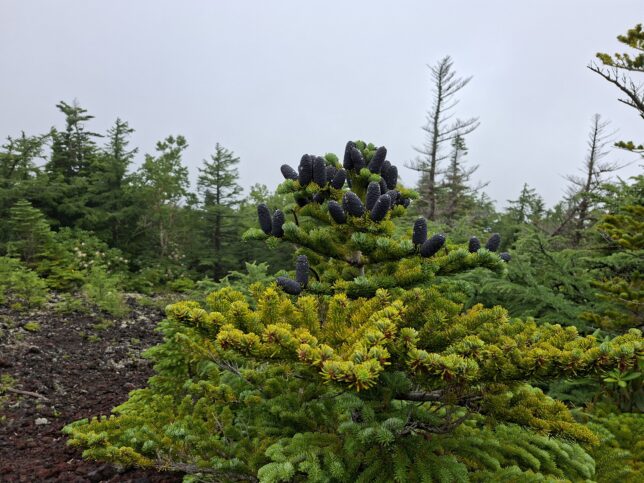
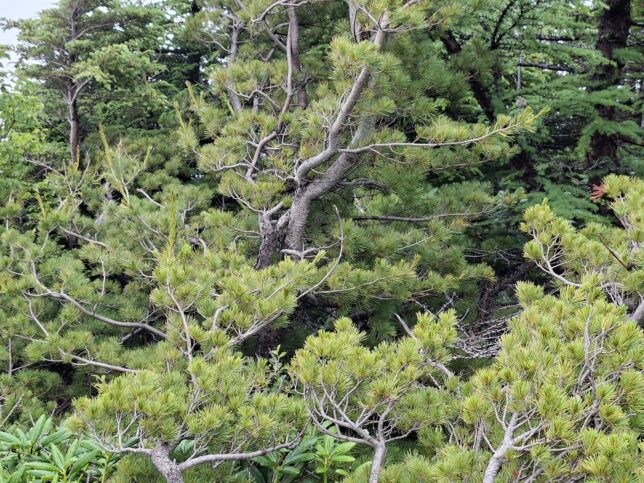
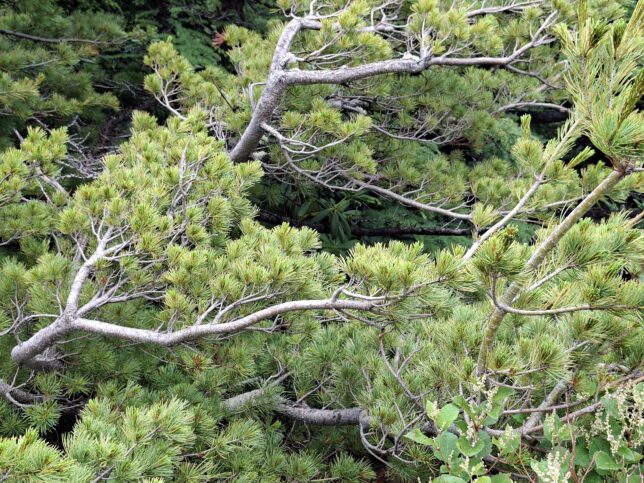
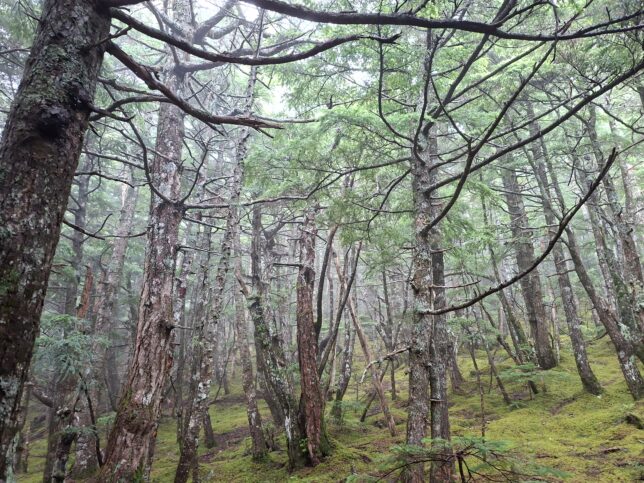
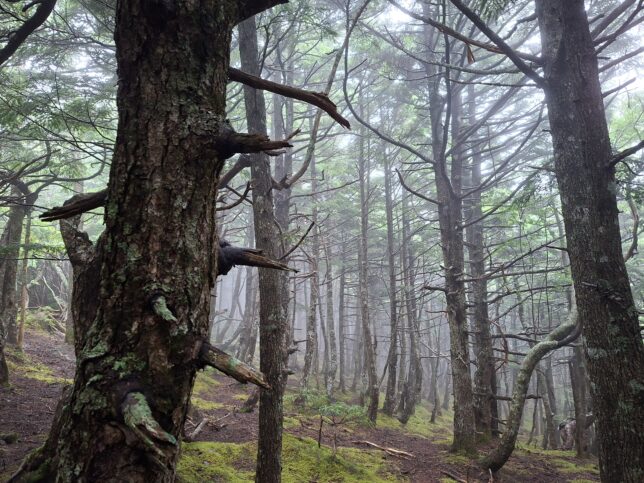
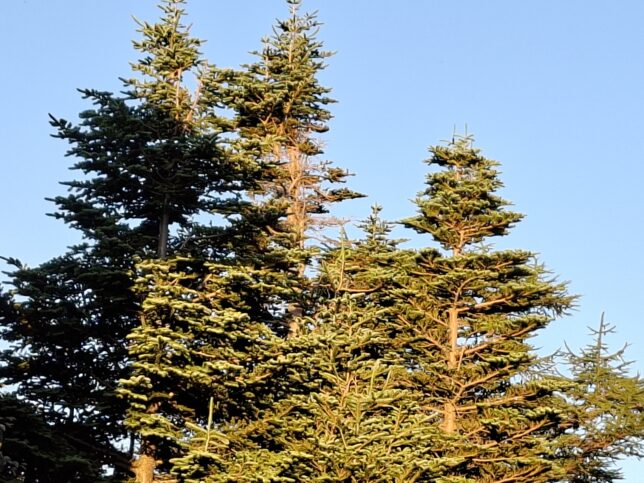
The Ochudo Trail is a walking trail that circles roughly halfway up Mount Fuji at an altitude of approximately 2,300 to 2,500 meters (7,500 to 8,200 feet) above sea level. It offers a wonderful opportunity to see a rich variety of plant life and ecosystems of Mount Fuji. On Mount Fuji, forests of larch and Veitch’s fir stretch from the lower slopes up to the subalpine zone.
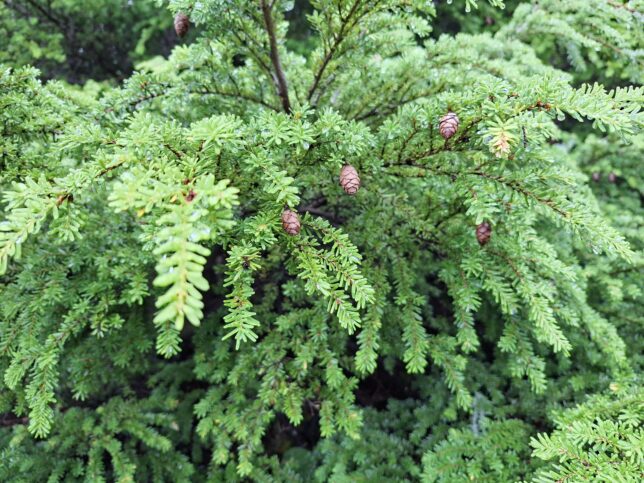
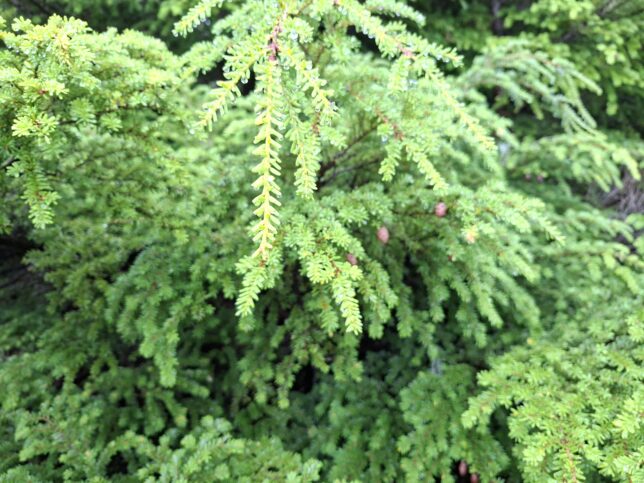
Veitch’s fir and Northern Japanese hemlock forest, Narusawa-village, Yamanashi, 7/18/2026
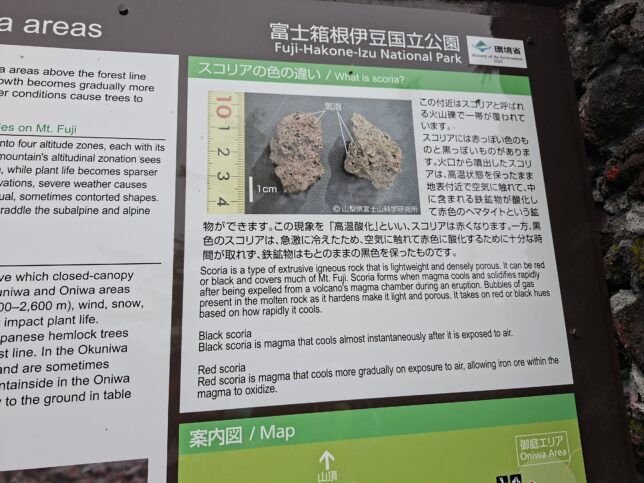
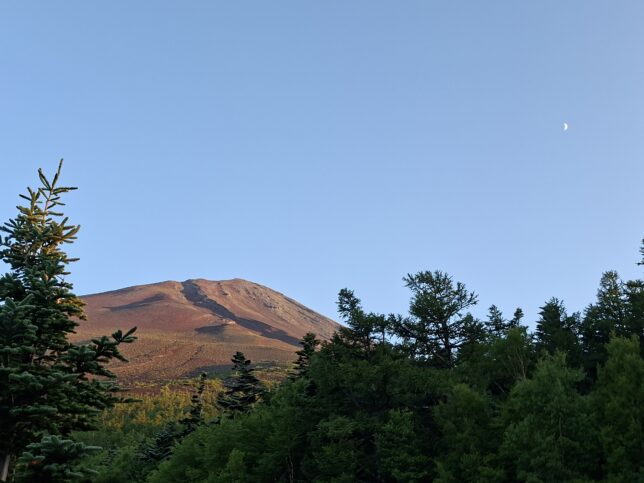
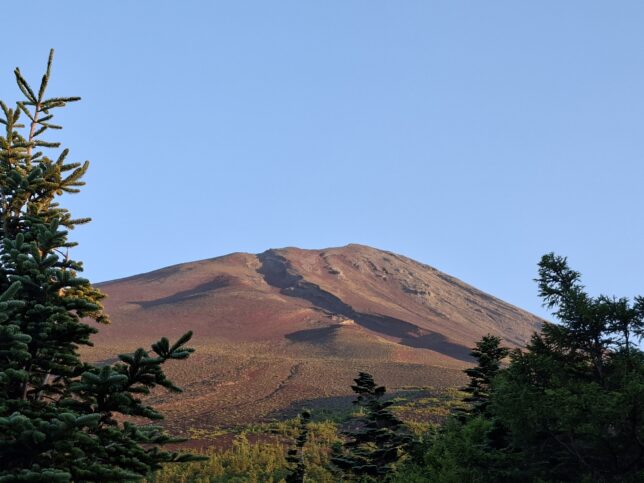
Mount Fuji’s scoria geology consists of basaltic vesicular rock fragments, scoria cones, and alternating layers of lava and loose pyroclastic material.
Mount Fuji, Narusawa-village, Yamanashi, 7/18/2026
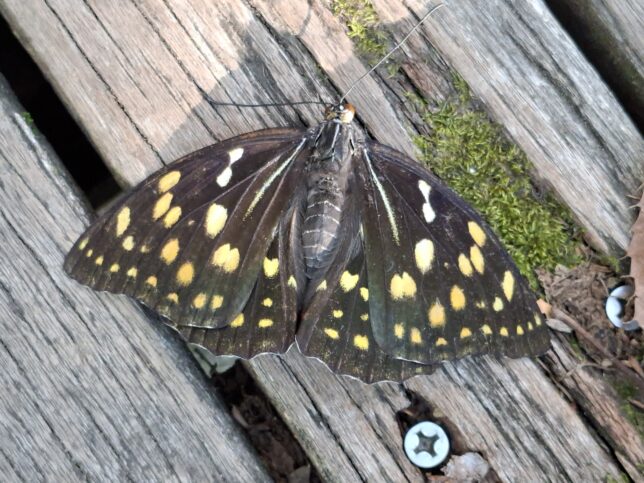
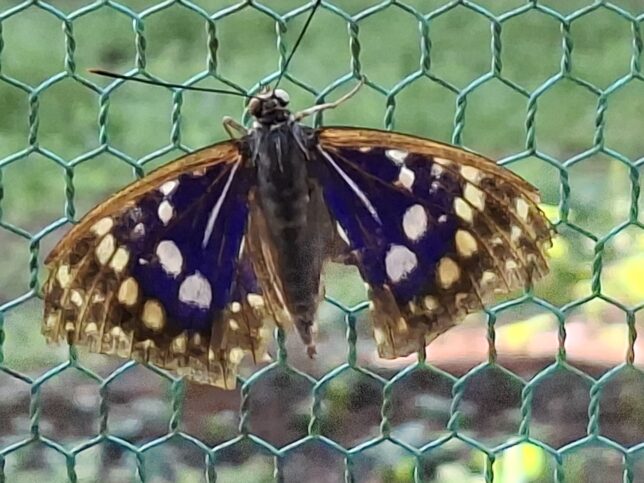
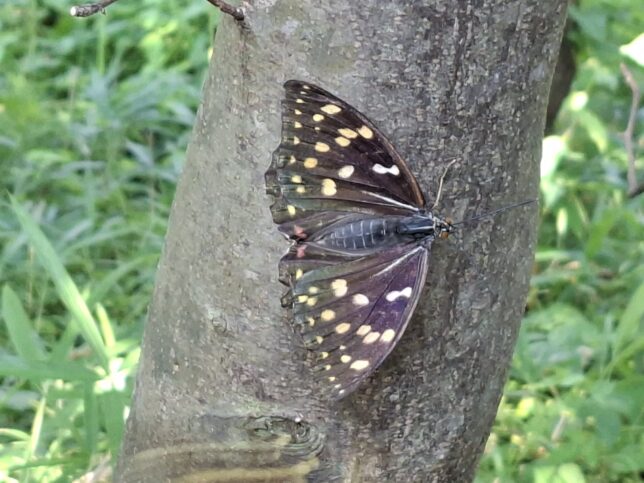
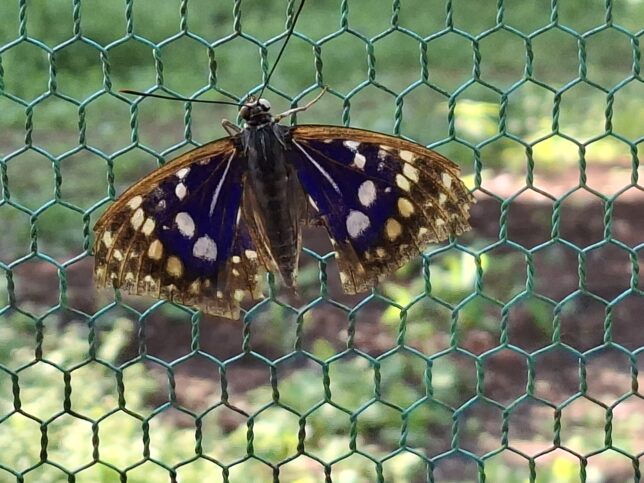
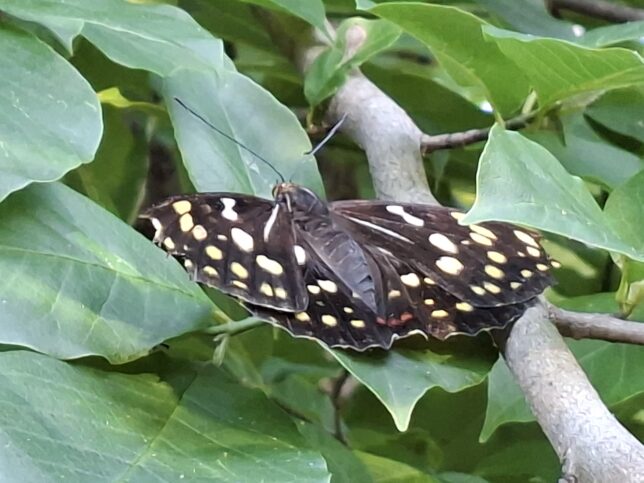
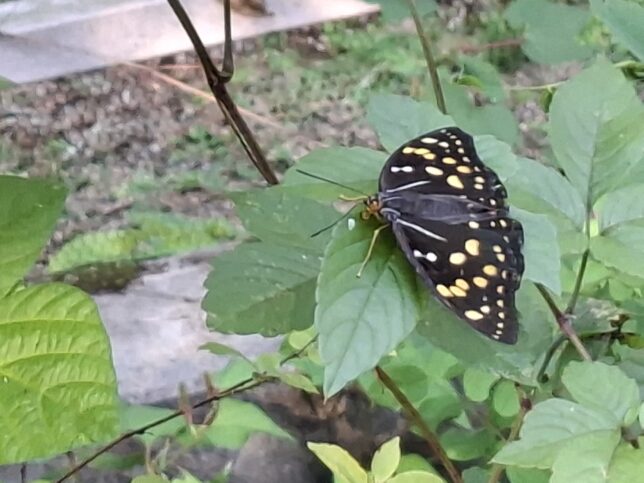
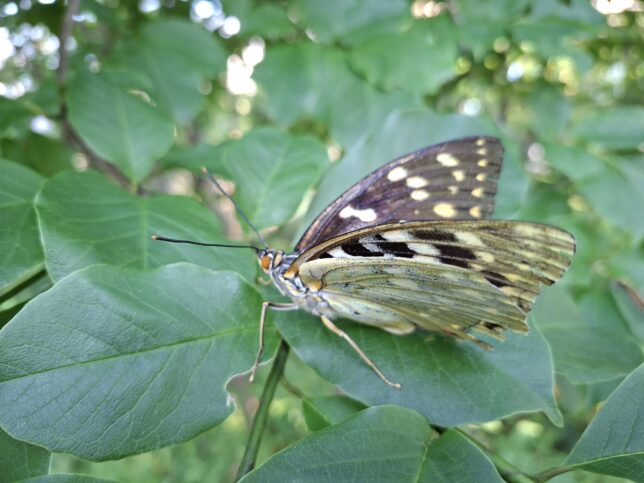
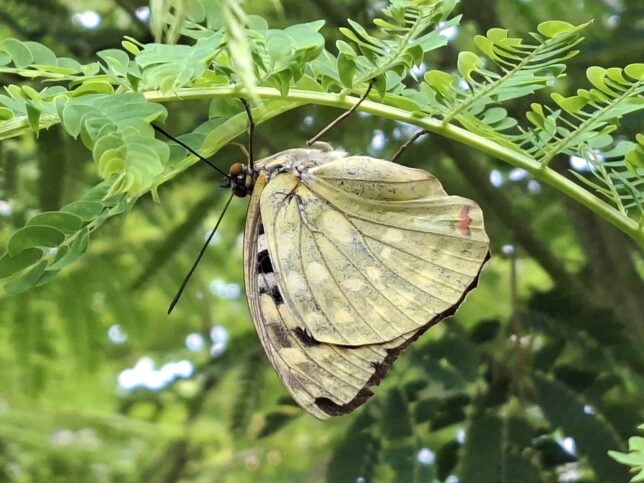
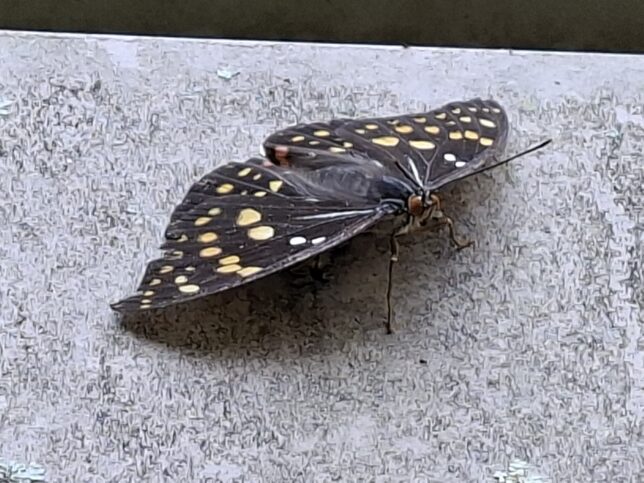
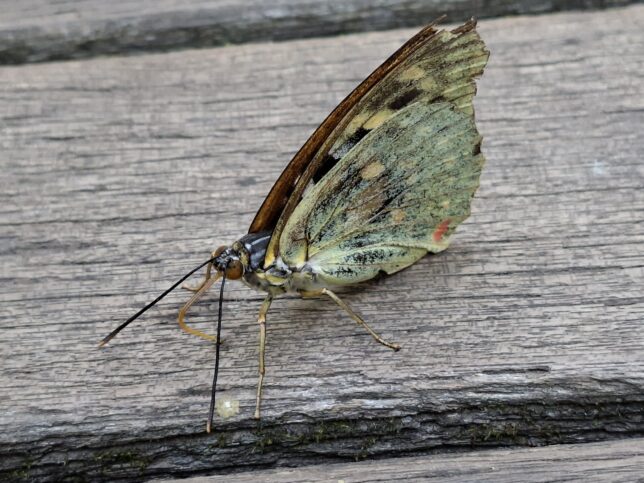
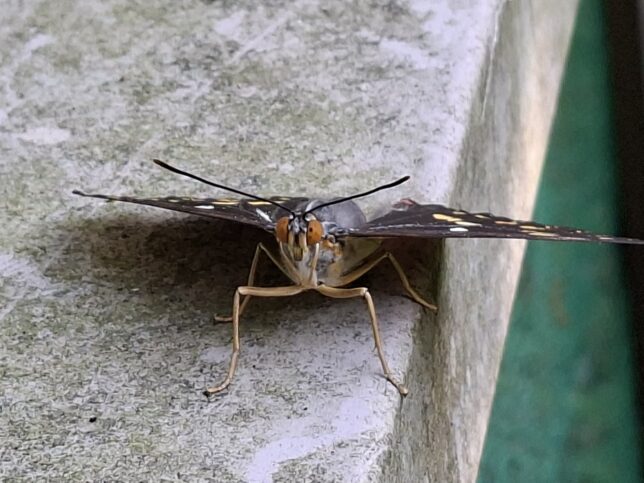
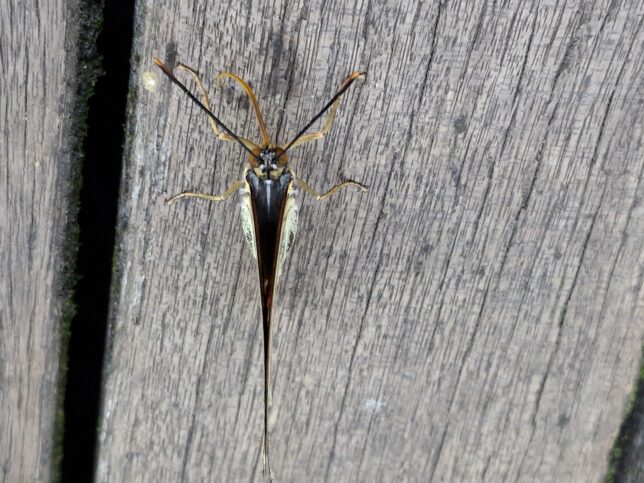
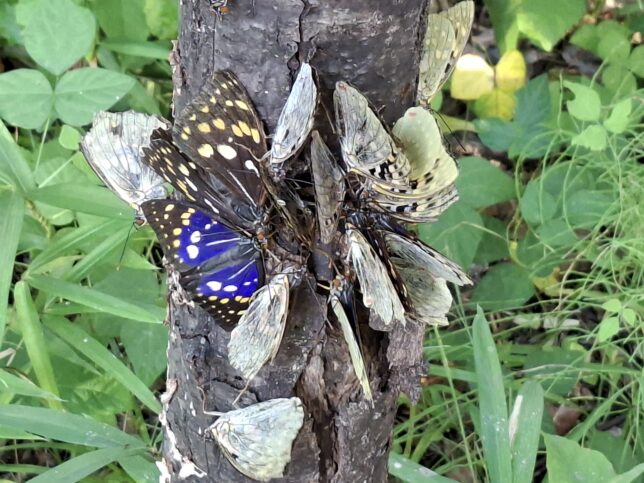
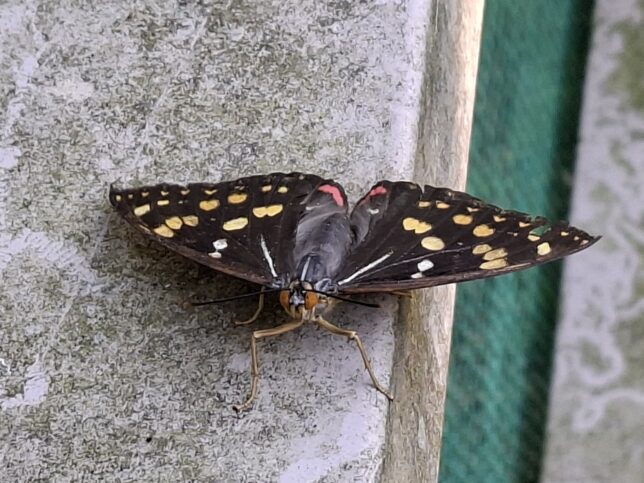
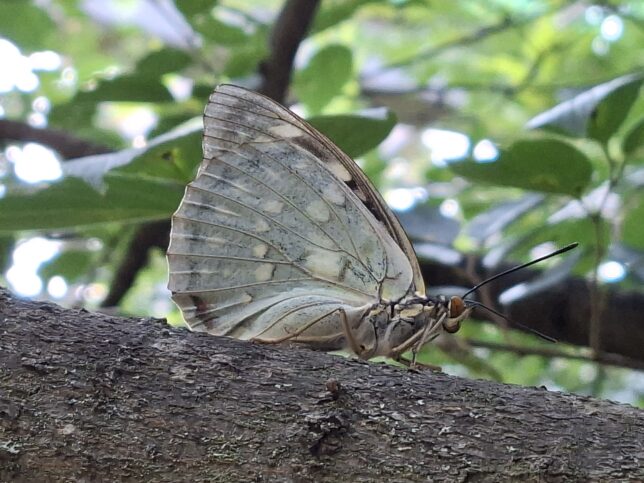
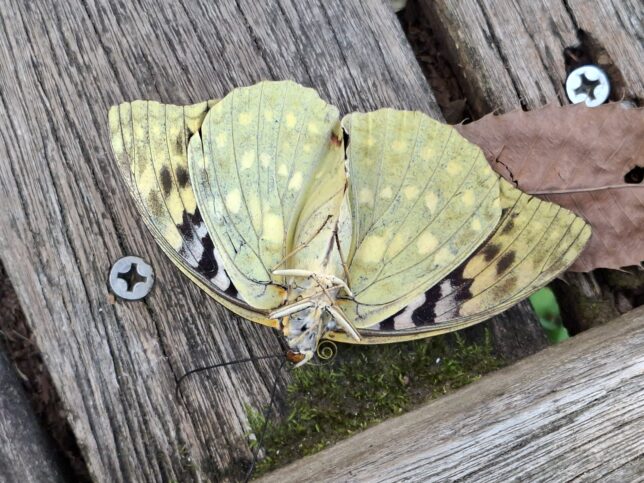
Great purple emperor (Sasakia charonda) is native to Japan (from Hokkaido to Kyushu), the Korean Peninsula, China, northern Taiwan and northern Vietnam. S. charonda is the national butterfly of Japan. There is Oomurasaki Center in the town of Nagasaka in Hokuto-city, Yamanashi Prefecture, Japan, which is dedicated to protecting and researching the great purple emperor butterfly, and you can observe their life cycle throughout the year.
The Fuji Subaru Line 5th Station is a highly popular alpine hub and the most visited sightseeing gateway on Mount Fuji. Sitting at roughly 2,305 meters (7,562 feet) halfway up the mountain, it features a bustling village of restaurants, souvenir shops, and mountain huts, and serves as the starting point for the Yoshida Trail.
Even if you aren’t planning to hike to the summit, the 5th station offers incredible panoramic views of the Fuji Five Lakes and is the closest you can get to the peak by vehicle.
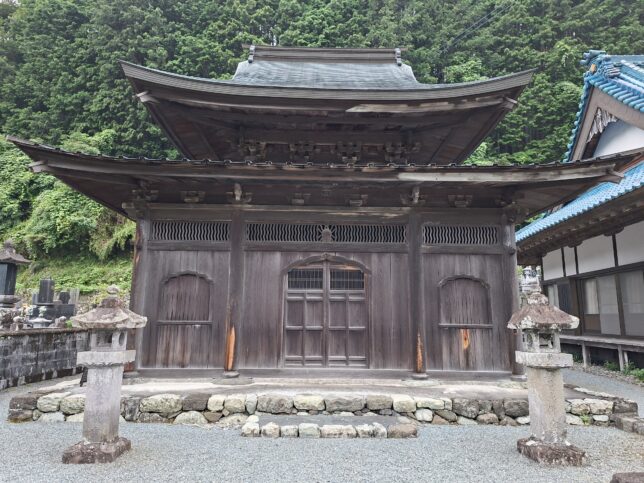
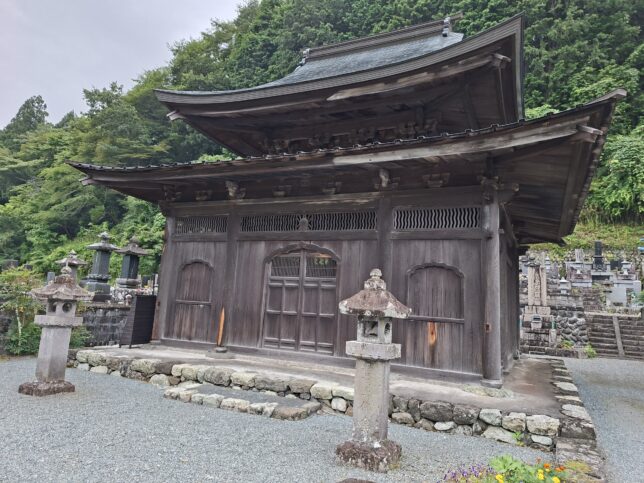
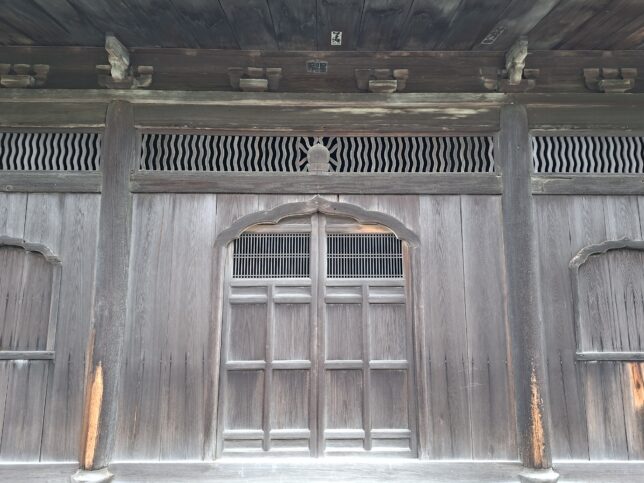
Komitake Shrine: Located just behind the shops, this historic shrine dates back to 937 and is a revered spot for mountain worship and good fortune.
Ochudo Trail: A relatively flat, 5-kilometer walking trail that wraps around the mountain, perfect for those wanting to experience the alpine environment without a steep climb.
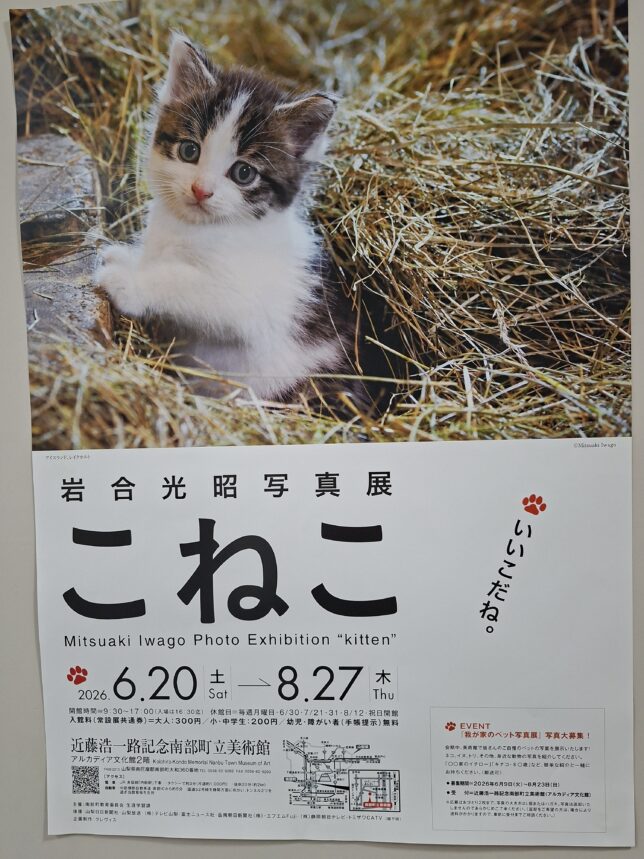
A photography exhibition titled “Kittens” by Mitsuaki Iwago has been held at The Nanbu Town Museum of Art, Memorial of Koichiro Kondo in the town of Nanbu in Yamanashi Prefecture, Japan, from June 20 to August 27, 2026.
“Kittens”
The Nanbu Town Museum of Art, Memorial of Koichiro Kondo, Nanbu-cho, Yamanashi, 7/12/2026
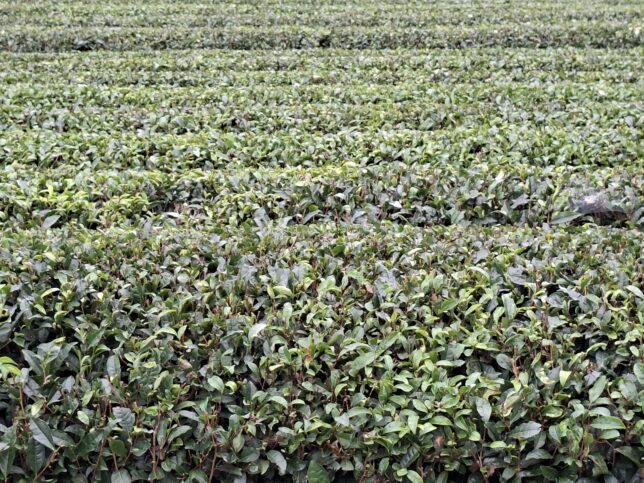
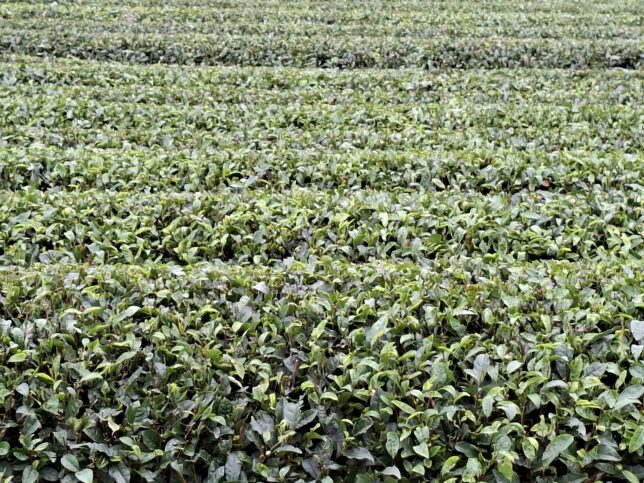
In Yamanashi Prefecture, where about 80% of the land is mountainous, the town of Nanbu is a unique exception. With a low elevation of under 150 meters, the area enjoys a mild climate and abundant rainfall. This area is known for the cultivation of green tea “Nanbu-cha.” Nanbu-cha benefits from gentle sunlight and the abundant waters of the Fuji River basin. The tea is celebrated for its sweet, mellow umami flavor and elegant aroma, and also known by the unified brand name of Yamanashi Prefecture’s teas, “Kai no Midori.”