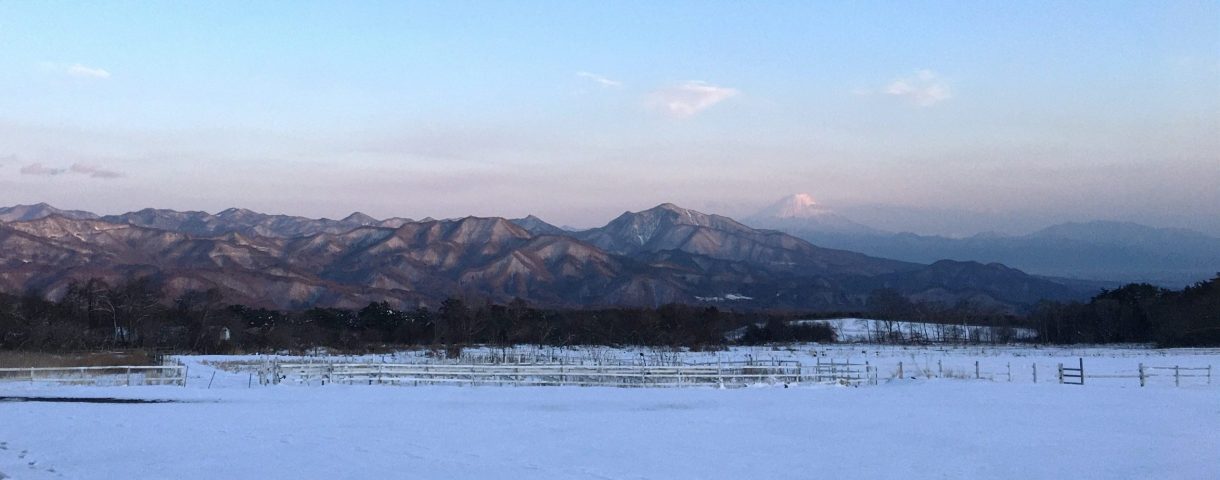
Oshino Hakkai are the eight springs found in the village of Oshino in Yamanashi Prefecture, Japan. The aquifer water originated from Mount Fuji comes out to the ground to form these springs.
https://en.wikipedia.org/wiki/Oshino_Hakkai: Oshino-mura: https://www-vill-oshino-lg-jp.translate.goog/index2.html?_x_tr_sl=ja&_x_tr_tl=en&_x_tr_hl=ja&_x_tr_pto=wapp
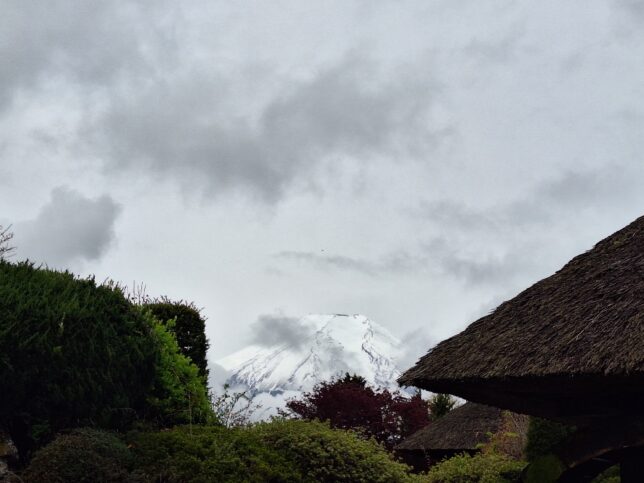
Mount Fuji viewed from the Oshino Hakkai village
Oshino Hakkai, Oshino-mura, Yamanashi, 4/24/2026
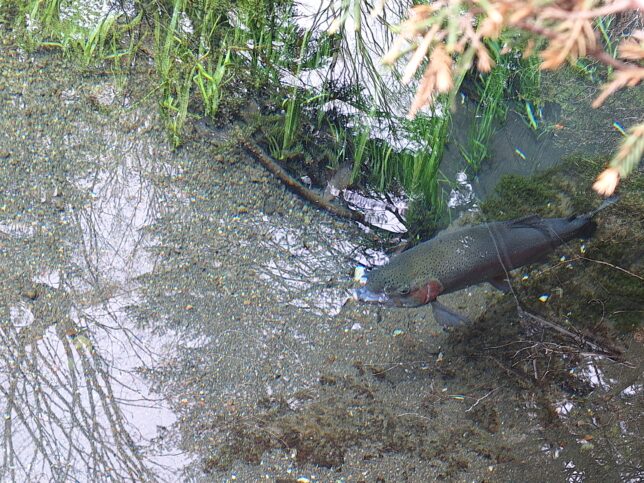
Rainbow trout (Oncorhynchus mykiss)
https://en.wikipedia.org/wiki/Rainbow_trout
Oshino Hakkai, Oshino-mura, Yamanashi, 4/24/2026
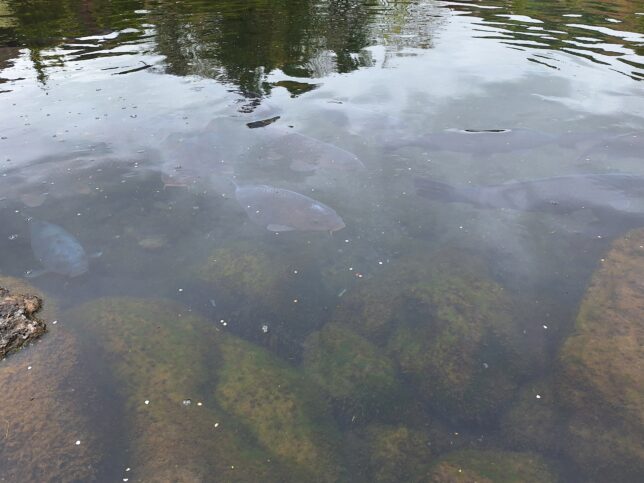
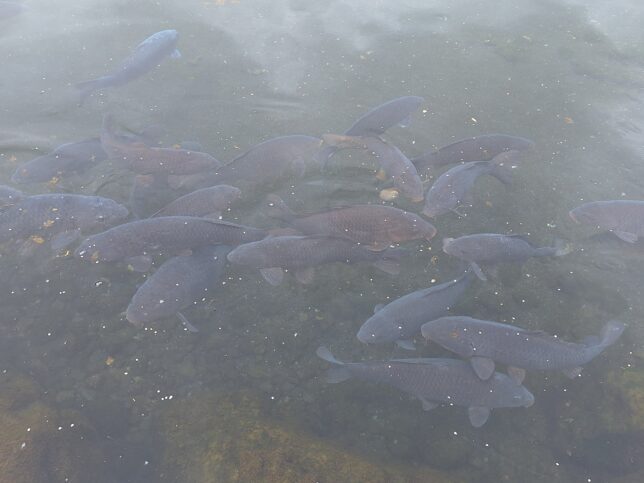
Koi, Oshino Hakkai, Oshino-mura, Yamanashi, 4/24/2026
Koi: https://en.wikipedia.org/wiki/Koi
Oriental paperbush or mitsumata (Edgeworthia chrysantha): https://en.wikipedia.org/wiki/Edgeworthia_chrysantha
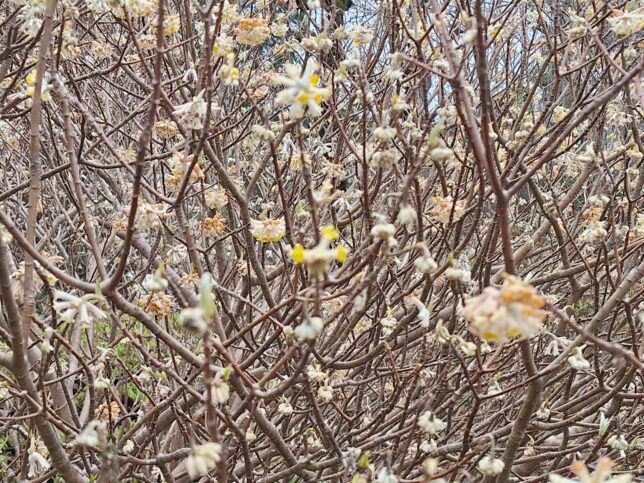
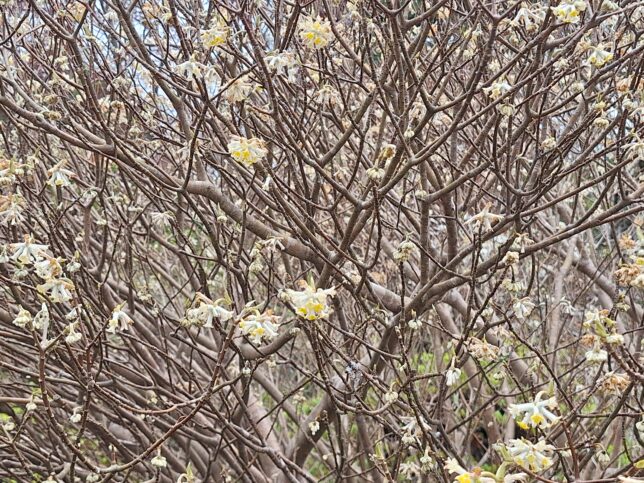
Oriental paperbush, Oshino Hakkai, Oshino-mura, Yamanashi, 4/24/2026
Eastern leatherwood (Dirca palustris): https://en.wikipedia.org/wiki/Dirca_palustris
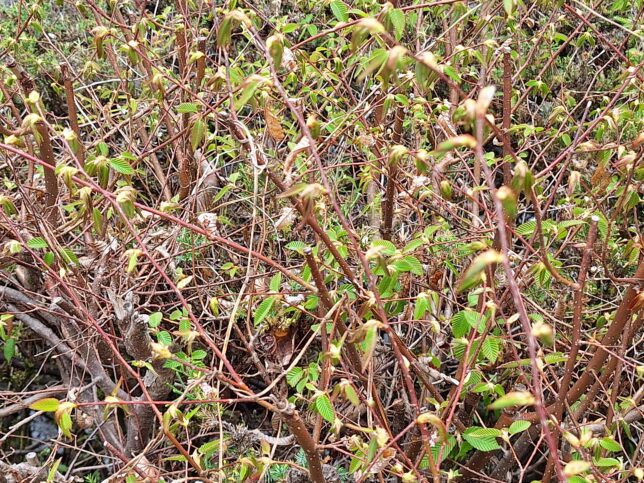
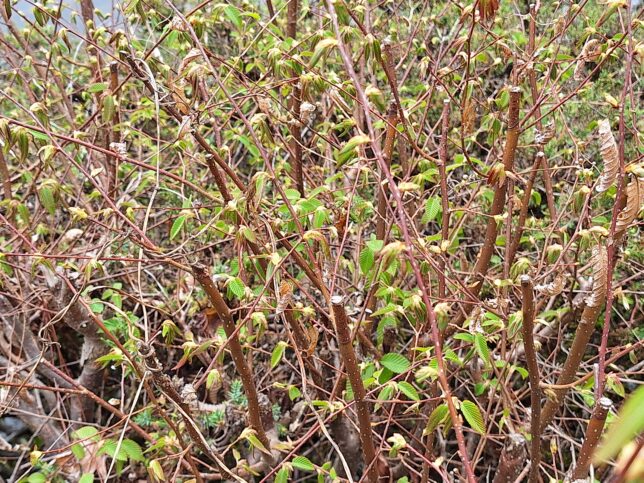
Eastern leatherwood, Oshino Hakkai, Oshino-mura, Yamanashi, 4/24/2026
Kawaguchi Asama Shrine was established in 865, one year after the massive eruption of Mount Fuji in 864, to enshrine the deity Asama-no-Okami and appease the mountain’s wrath. Located in the town of Fujikawaguchiko, Yamanashi Prefecture, Japan, it is a designated component of the Mount Fuji World Cultural Heritage site. The grounds contain seven massive cedar trees that are over 1,200 years old. The “Chigo-no-Mai” traditional dance, designed to calm the eruption, is recognized as a National Important Intangible Folk Cultural Property. The dance is still performed by young girls on April 25th (Annual Festival) and July 28th (Taita-Gokagurasai).
Kawaguchi Asama Shrine: (In Japanese) https://asamajinja.or.jp/; https://fujisan-ne-jp.translate.goog/sightseeing/1480/?_x_tr_sl=ja&_x_tr_tl=en&_x_tr_hl=ja
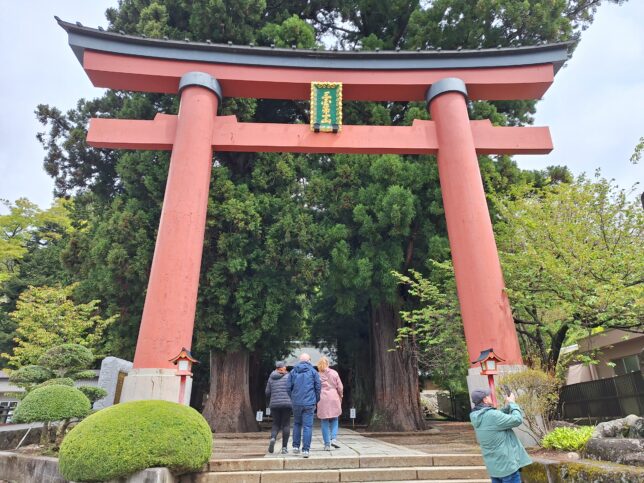
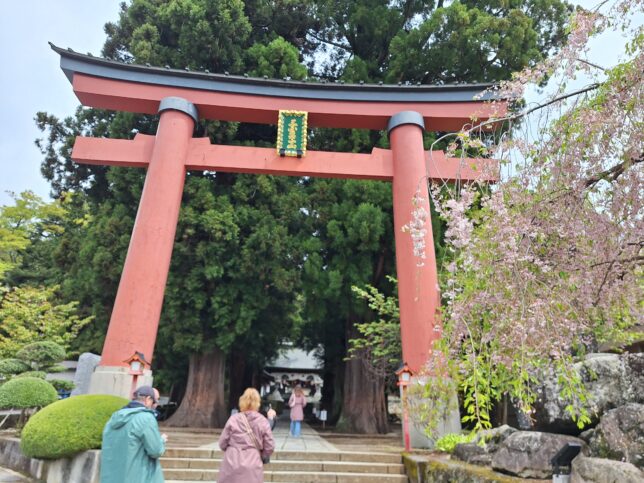
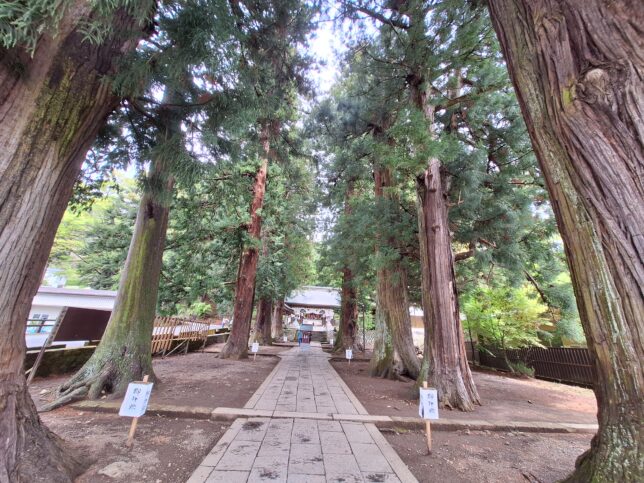
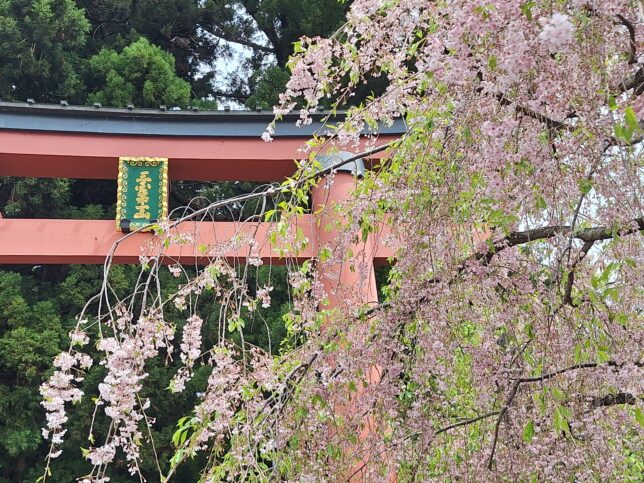
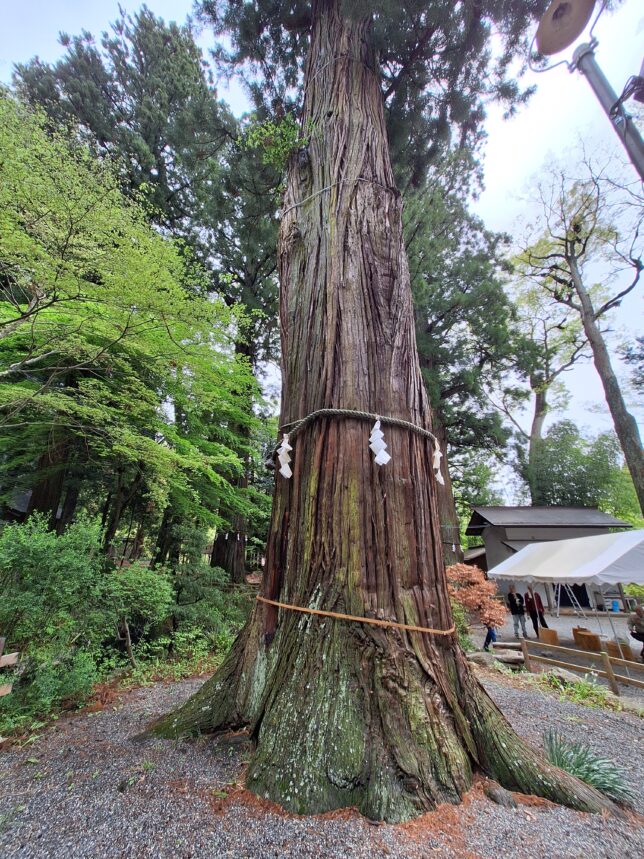
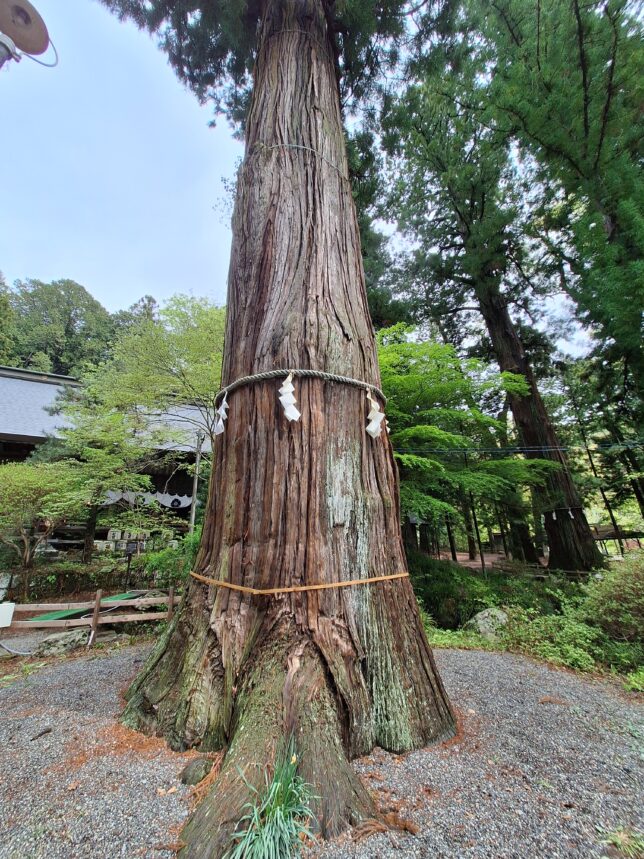
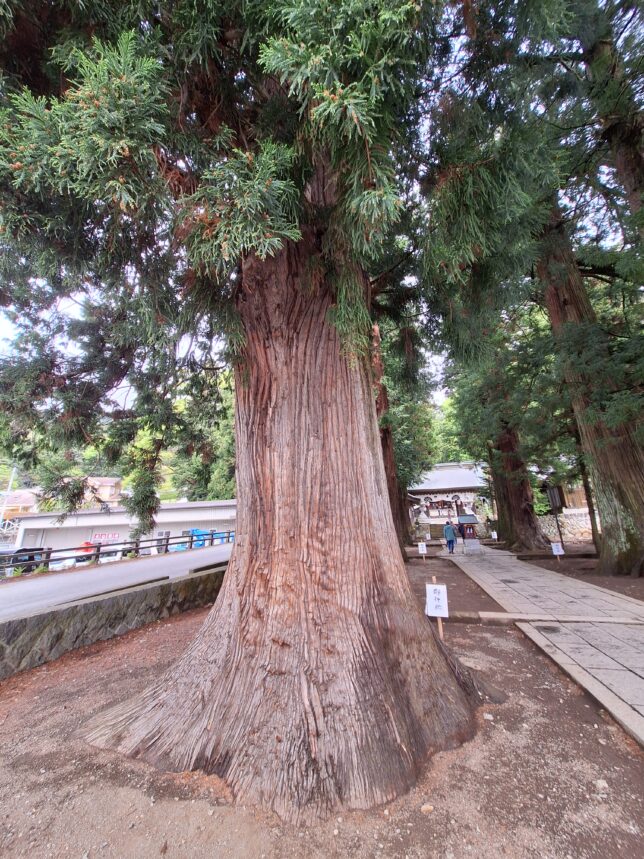
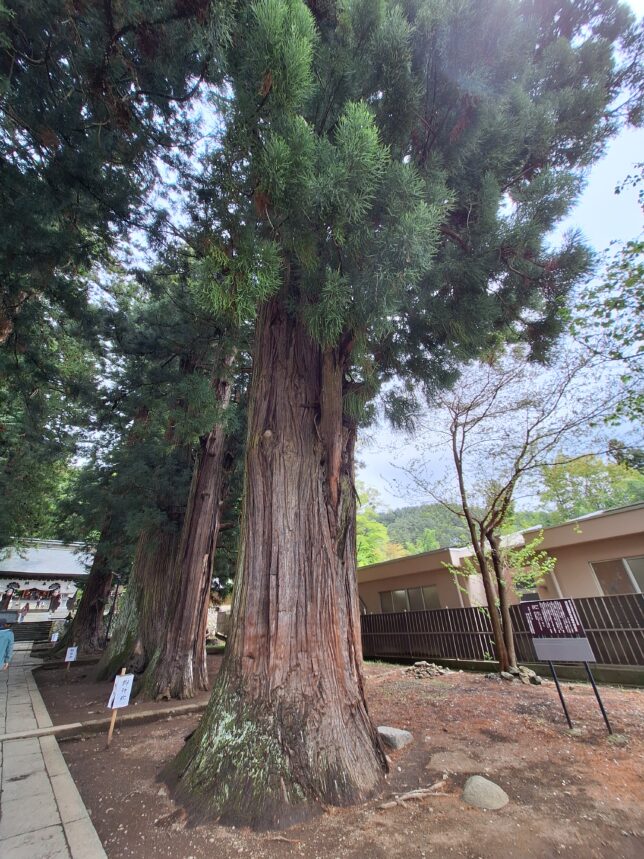
Kawaguchi Asama Shrine, Kawaguchiko-machi, Yamanashi, 4/24/2026