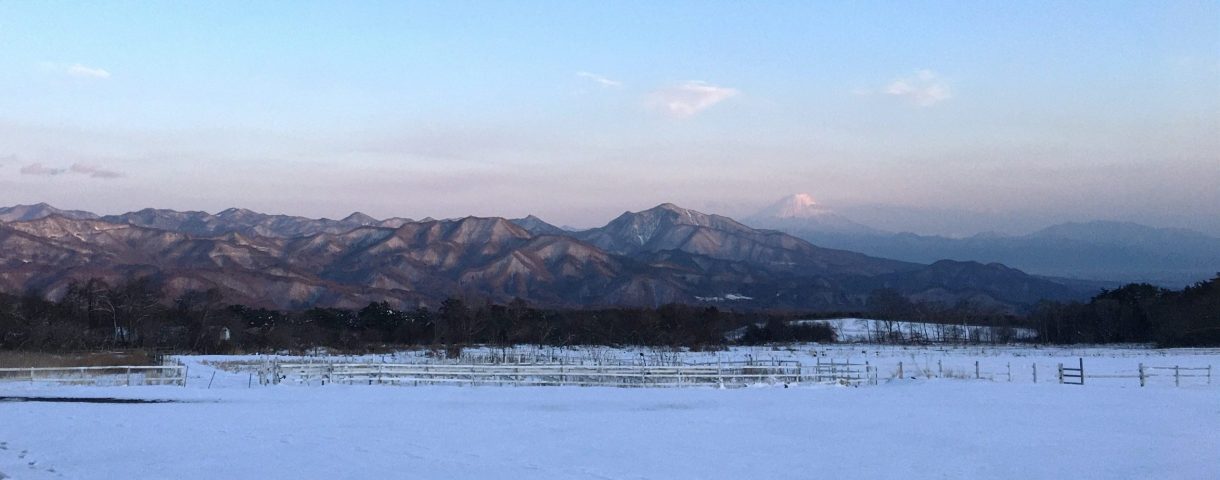
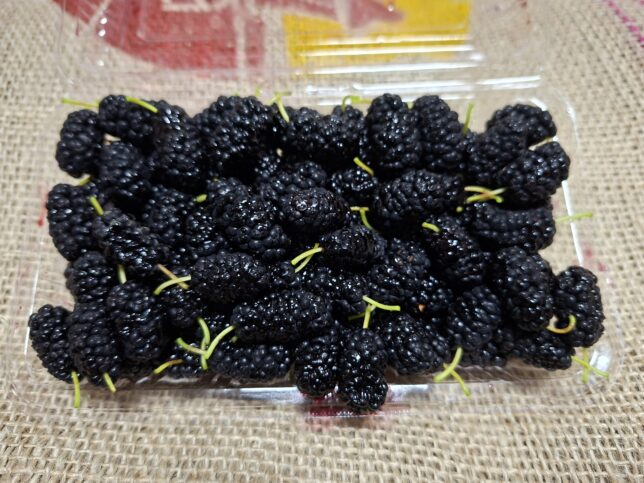
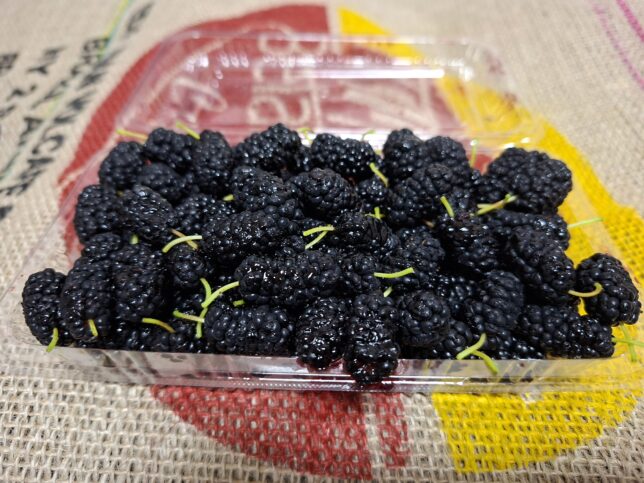
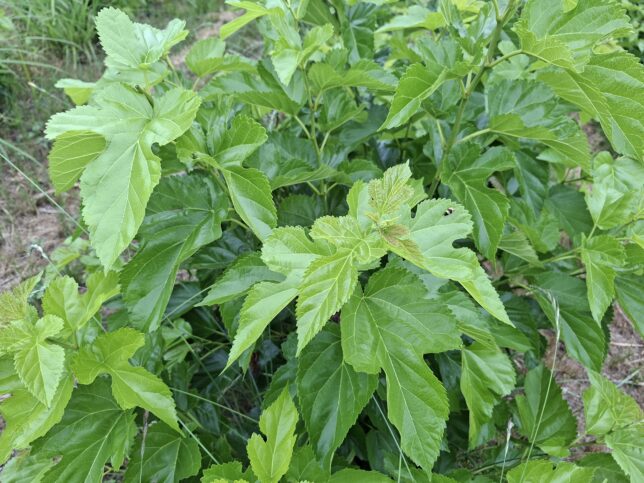
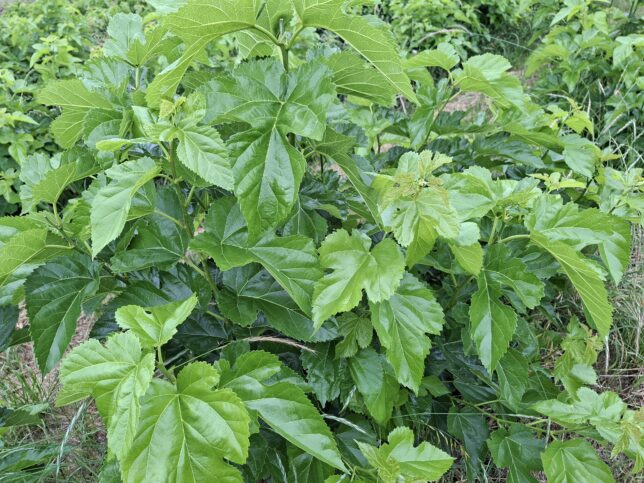
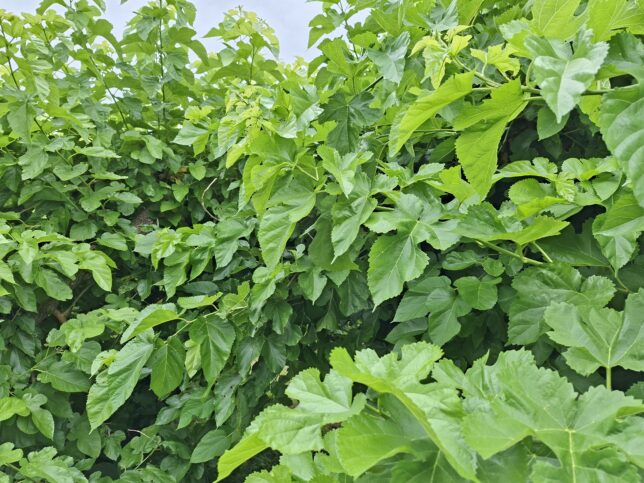
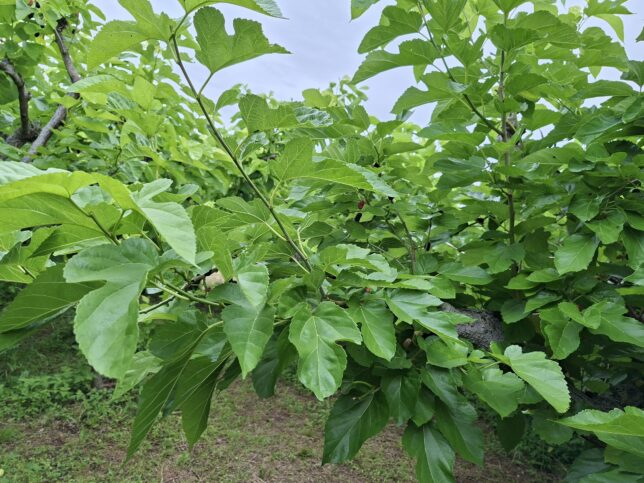
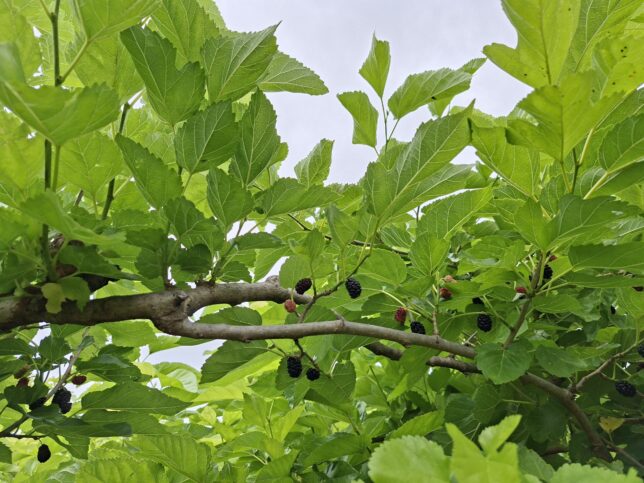
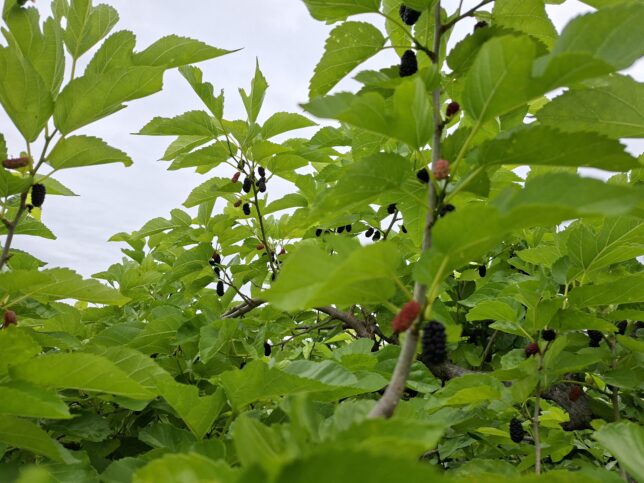
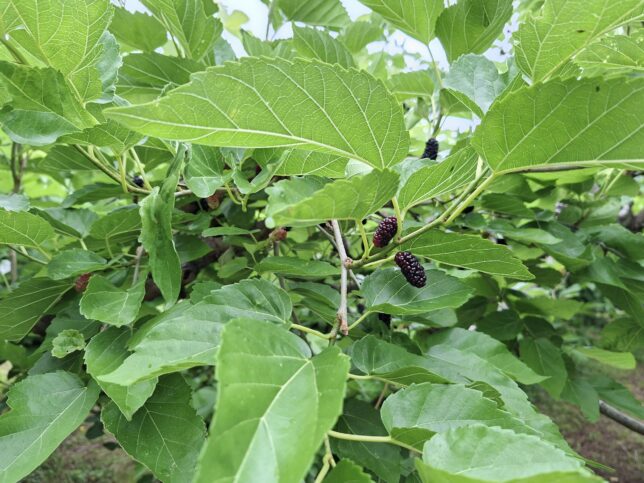
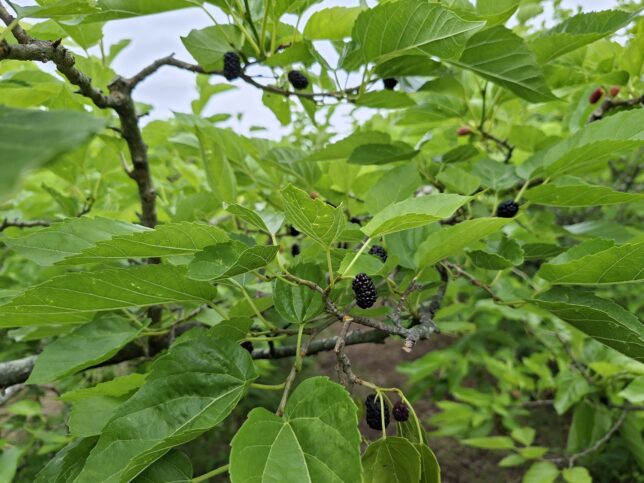
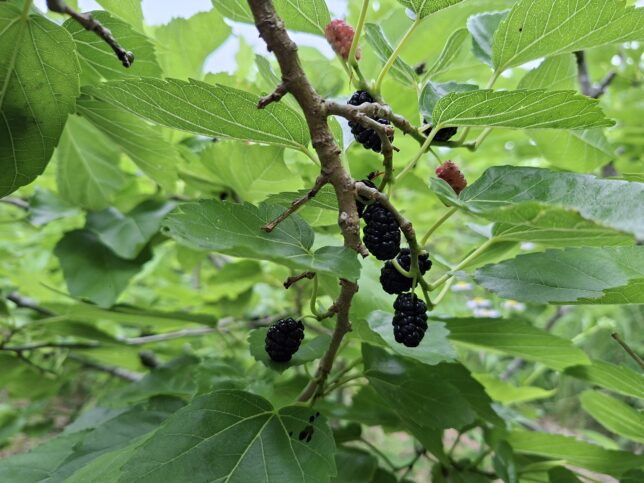
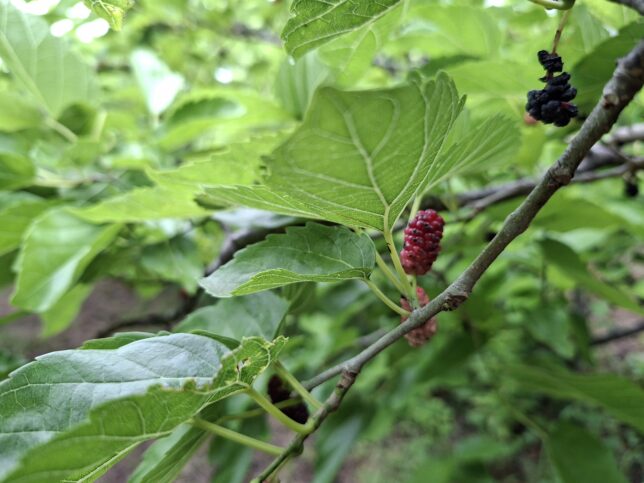
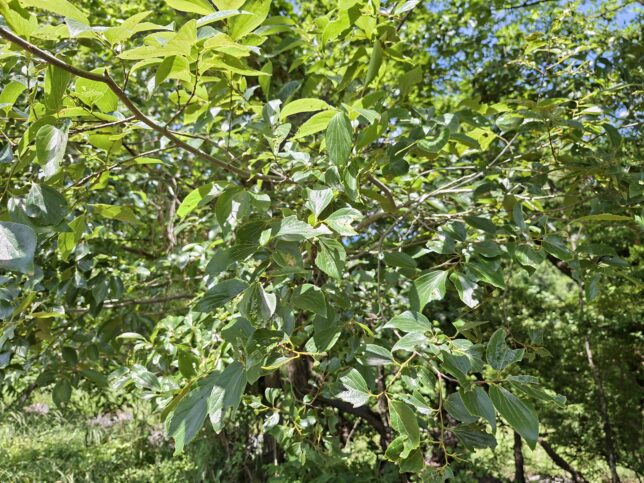
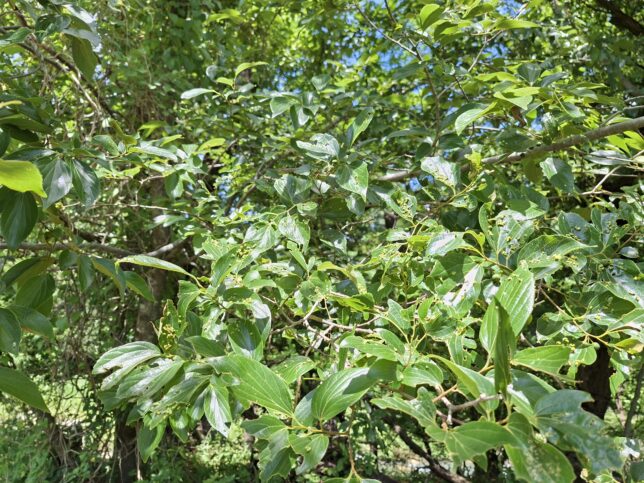
Tomi Farm located in the city of Kai in Yamanashi Prefecture, Jaspan, is well known for its seasonal mulberry-picking experience. The farm makes use of the surviving mulberry fields in the region, a nod to the area’s once-thriving silk-farming industry. The mulberry-picking event this year was held during May 27 through June 7.
Silkworm farming (sericulture) and its related silk-reeling industry were a massive part of Yamanashi Prefecture’s history and economic success. The mountainous terrain and favorable climate made it an ideal environment to grow mulberry trees, whose leaves are the primary food source for silkworms.
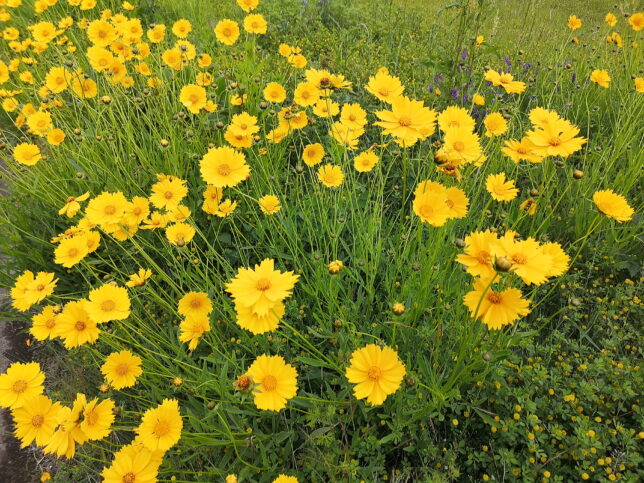
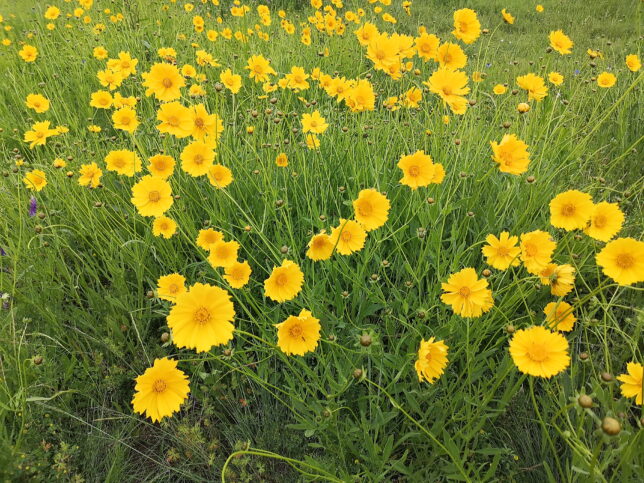
Lanceleaf coreopsis (Coreopsis lanceolata), locally known as Okinkeigiku, is troublesome in Yamanashi and all over Japan because of its extreme hardiness and aggressive reproductive traits. Originally introduced for ornamental and greening purposes from North America, Coreopsis lanceolata outcompetes native vegetation and harms the region’s biodiversity. Coreopsis lanceolata is legally designated as an Invasive Alien Species in Japan and the cultivation, transportation, and sale of the plant are strictly prohibited.
The plant poses a significant threat to Yamanashi’s unique ecosystems for several concrete reasons:
Aggressive Soil Competition: Coreopsis lanceolata grows a dense foliar canopy that blocks vital understory light. This shades out and displaces native grasses and endemic riparian plants.
High Reproductive Capacity: The plant produces thousands of seeds that can survive in the soil for years.
Tough, Perennial Constitution: It spreads rapidly through both seeds and rhizomes. Even after rigorous cutting or mowing, the plant recovers quickly and easily.
Disruptive to Infrastructure and Scenery: It frequently invades roadsides, riverbeds, and hiking trails, making local conservation efforts necessary to protect indigenous species from being choked out.
Because the plant has been integrated into the local pollinator community (like Halictidae, sweet bees), its seeds are easily and consistently propagated.
Several municipalities and volunteer groups across Japan are frequently forced to organize massive, labor-intensive eradication events to dispose of Coreopsis lanceolata properly.
Shizuoka City conducted a simultaneous eradication campaign for Coreopsis lanceolata across eight locations to protect native plant species from this highly invasive alien species on May 26, 2026.
As one of the Corporate Social Responsibility activities, Sango Co., Ltd., based in the city of Miyoshi in Aichi Prefecture, has been involving in eradication of Coreopsis lanceolata since 2016. Sango Co., Ltd.: https://sango.jp/en/
In Yamanashi Prefecture, the cities of Nirasaki, Fuefuki, and Fujiyoshida and the towns of Hayakawa and Fujikawaguchiko and also the government of Yamanashi Prefecture have organized eradication events to dispose of Coreopsis lanceolata properly.
Also, please read the article on Invasive Plants: Lance-leaved tickseed and Kudzu: https://etsuo.tokyo/2022/06/.
Premium coffee beans have been scarce for some time. The demand is specifically spiking for high-grade Arabica beans, the kind characterized by complex acidity, rich distinct flavor notes, and smooth finishes.
Global shortages and supply chain disruptions have severely affected premium Arabica and single-origin coffee availability. Weather extremes in major coffee regions like Brazil and Vietnam have created tight inventories, which has particularly impacted delicate single-origin beans and mocha varieties.
Furthermore, the conflict involving Iran has significantly impacted global agricultural supply chains, indirectly pushing up coffee bean prices. The closure of the Strait of Hormuz and heightened geopolitical risks have led to skyrocketing global shipping rates, maritime insurance premiums, and fertilizer costs, making coffee production and logistics substantially more expensive.
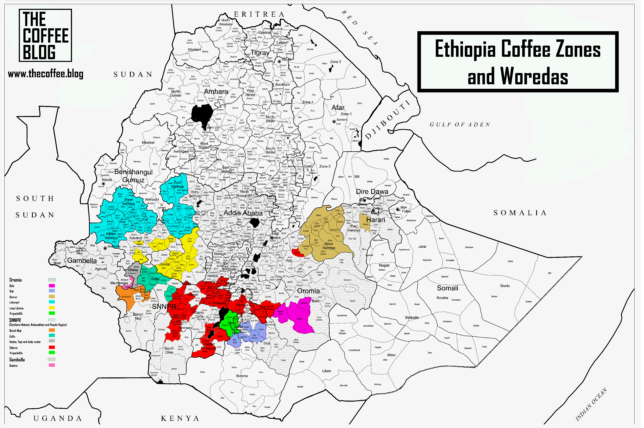
Ethiopia is the birthplace of Coffea arabica, known for its unmatched genetic diversity and premium, complex flavor profiles. The country’s ideal microclimates, high-altitude volcanic soils, and traditional harvesting methods produce some of the most sought-after specialty beans in the world.
When sourcing premium Ethiopian beans, you will typically find coffee categorized by its specific growing region, each offering distinct tasting notes:
Yirgacheffe: Widely considered the gold standard of Ethiopian coffee. These beans feature brilliant citrus acidity with prominent floral, jasmine, and fruit notes (like lemon and blueberry).
Sidamo: Known for a balanced, full-bodied cup with juicy citrus undertones and a sweet, spicy finish. It is excellent both as a pour-over and as a cold brew.
Harrar: Grown in eastern Ethiopia, these are typically dry-processed (natural) and known for bold, heavy-bodied profiles featuring complex chocolate, spice, and wine notes.
Guji: Sourced from the Guji Zone, these beans share similar qualities to Yirgacheffe but are celebrated for rich tropical fruit profiles, heavy sweetness, and tea-like finishes.
However, importing Ethiopian coffee beans is widely considered challenging. The process involves navigating a mix of stringent government export regulations, rigorous international sustainability laws, and complex local logistics.
There is an interesting company which is involved in coffee bean production in the city of Ueda in Nagano Prefecture, Japan. The company named Shinshu Tomoet Farm is located in an unexpected, cool place in the middle of the Honshu island.
Shinshu Tomoet Farm is operated by plastic molding and processing manufacturer Tomoet Engineering Co., Ltd. operated under the brand name Tomoet Plastics: (In Japanese) https://www.tomoetplastics.com/.
Tomoet Plastics is well-known for leveraging 50 years of traditional plastic and rope manufacturing into high-performance, ecofriendly biodegradable alternatives. Their products break down naturally into water and CO₂ in soil without leaving harmful microplastics.
Their standout biodegradable product lines include Tomoet Bioline™, Biodegradable Ropes, and Repellent / Food Damage Prevention Bands.
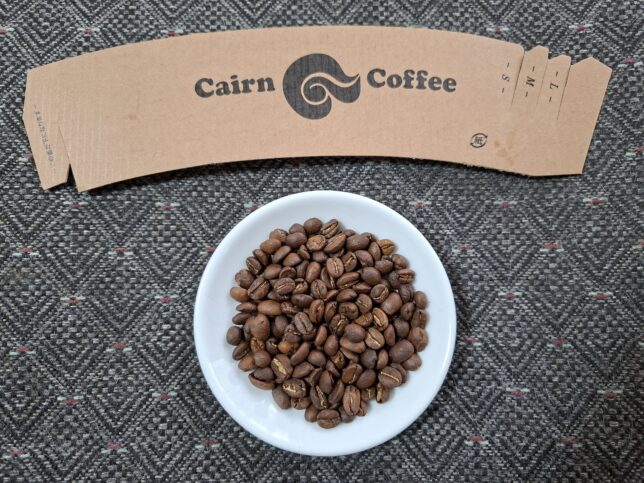
Coffee cup sleeves, also known as coffee sleeves, are roughly cylindrical sleeves that fit tightly over handle-less paper coffee cups to insulate the drinker’s hands from hot coffee. The coffee cup sleeve was invented by Jay Sorensen in 1991. The paper-based Mizuno Sangyo Cup Sleeve features 3 distinct notches for three-stage adjustments. The three notches serve as locking tabs or slots and allow you to adjust the length of the sleeve to fit three cup sizes (such as Small, Medium, and Large, or 8 oz, 12 oz, and 14 oz cups).