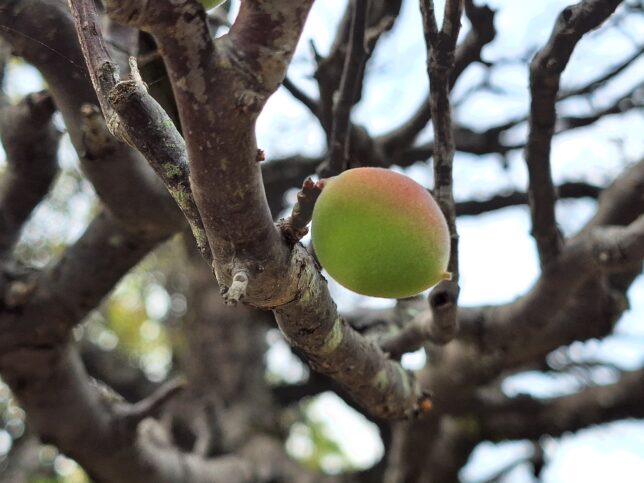
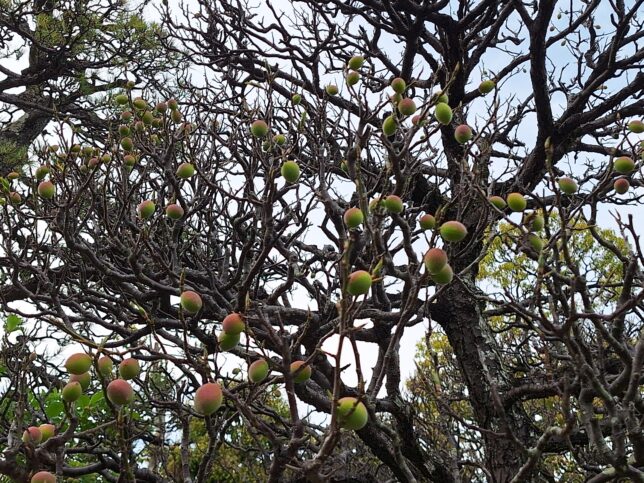
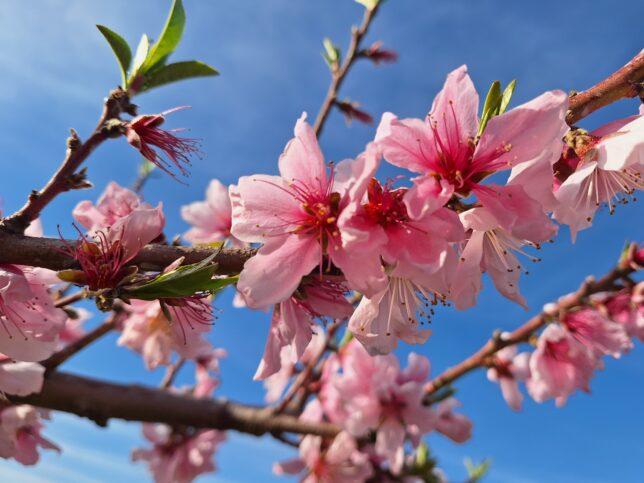
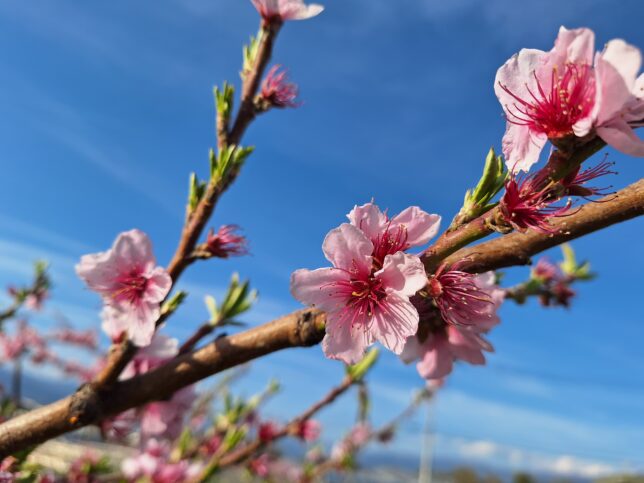
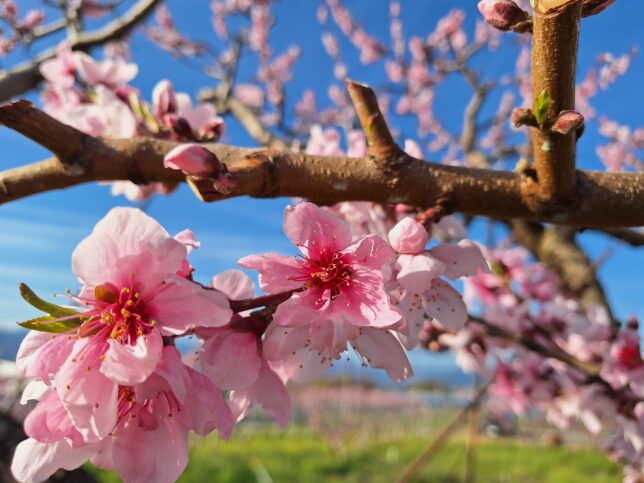
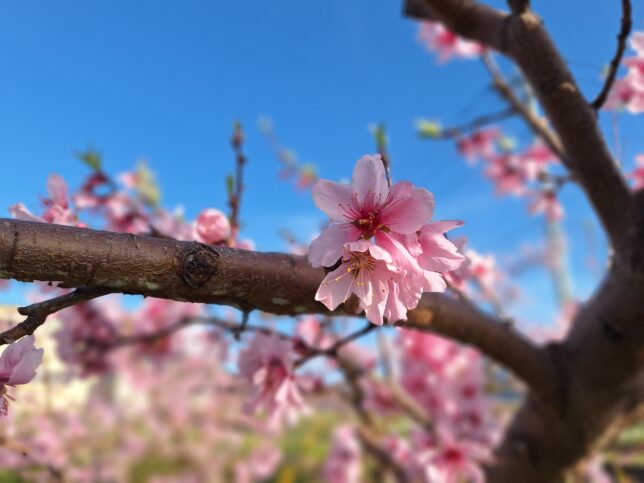
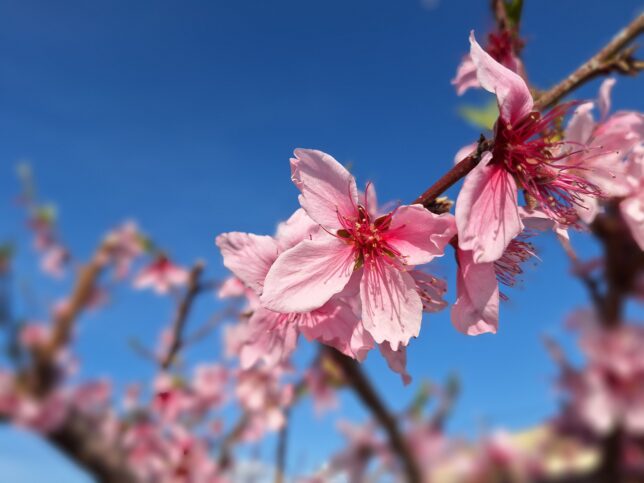
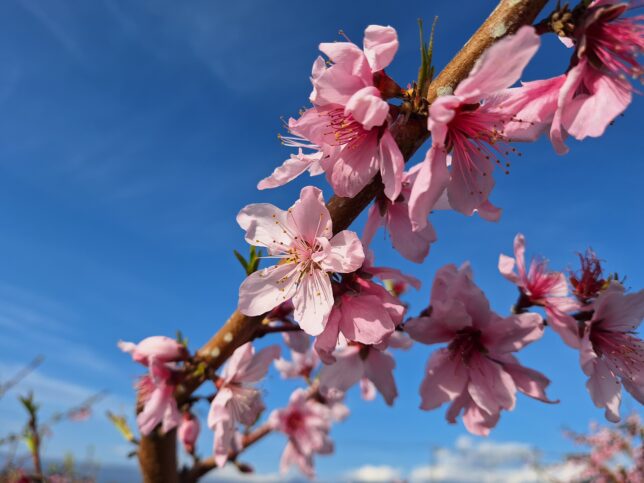
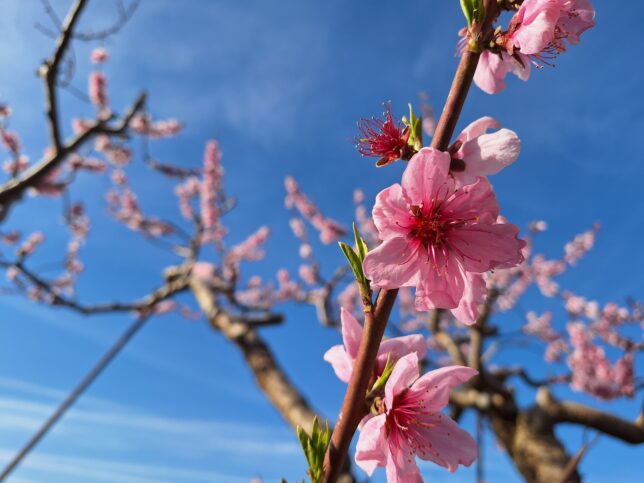
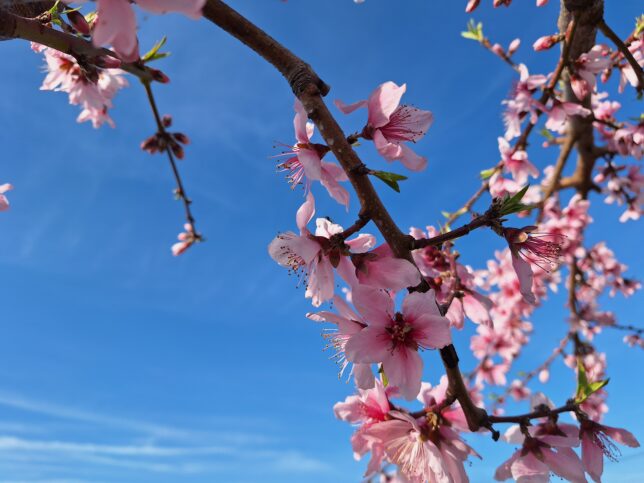
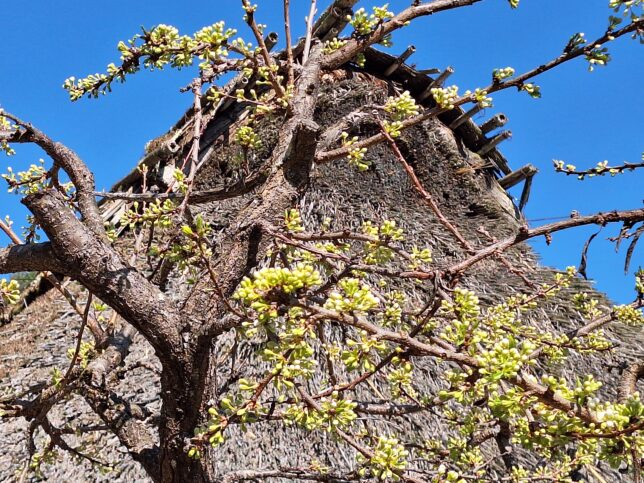
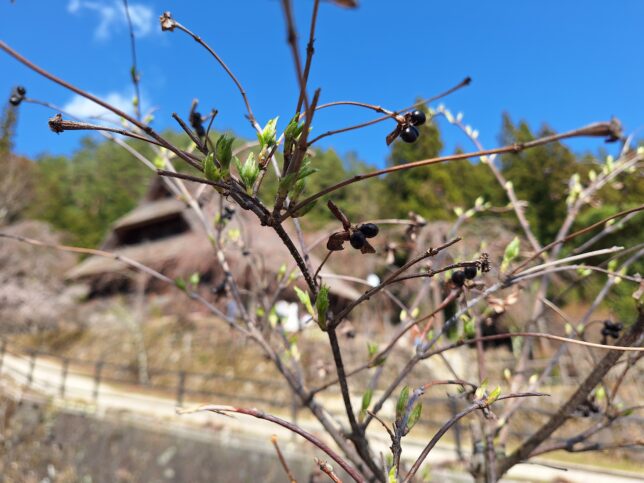
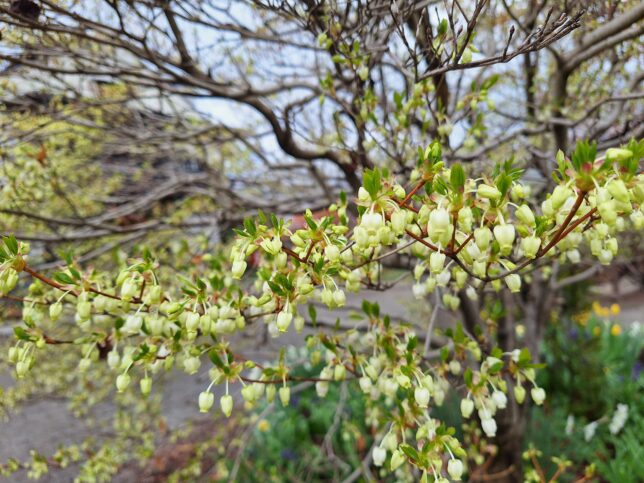
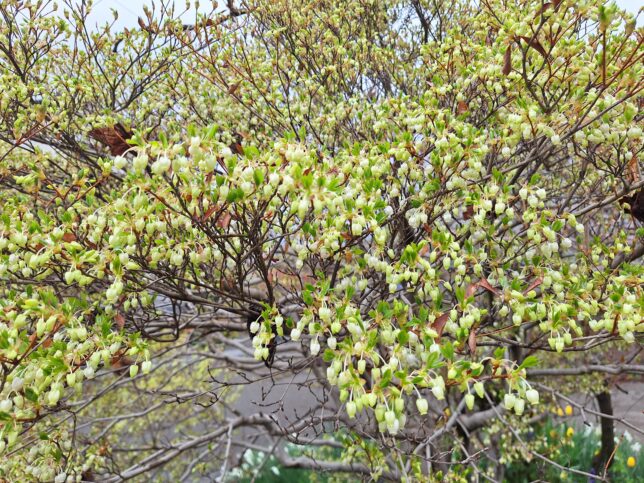
Japanese apricot trees started bearing fruit. Fresh green apricot or ume fruit (Japanese apricot) has been seen. While the blossoms appear in early spring, the green fruit—known as ao-ume in Japan—is available for a very short, specific season, coinciding with the rainy season (tsuyu).
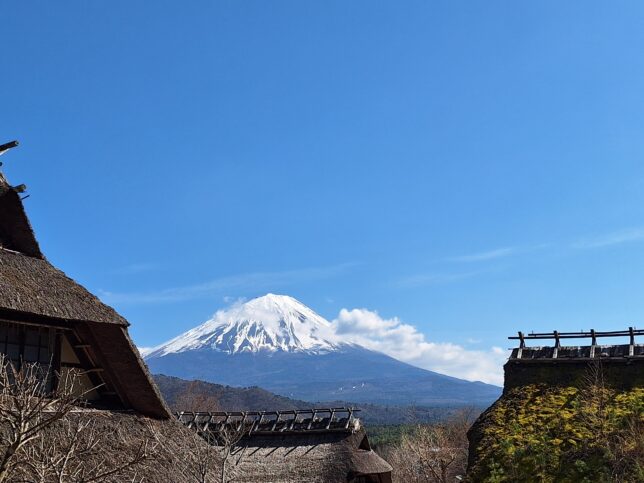
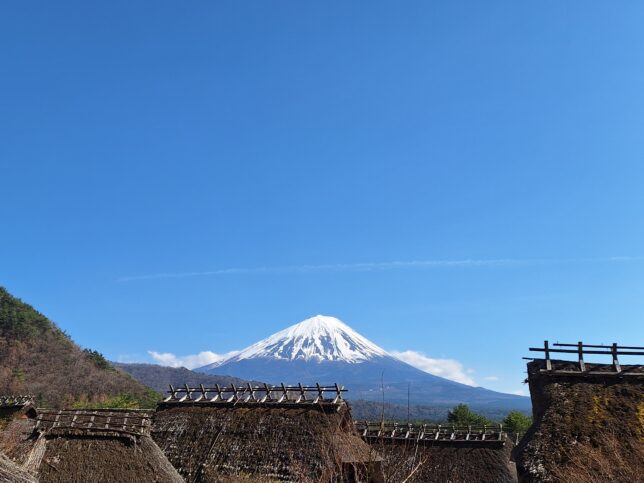
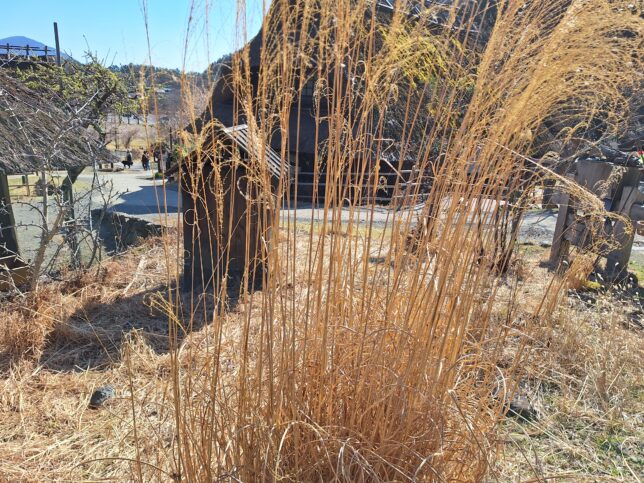
Saiko Iyashi-no-Sato Nenba is a traditional restored thatched-roof village located on the western shore of Lake Sai (Saiko) in the town of Fujikawaguchiko, Yamanashi Prefecture, Japan.
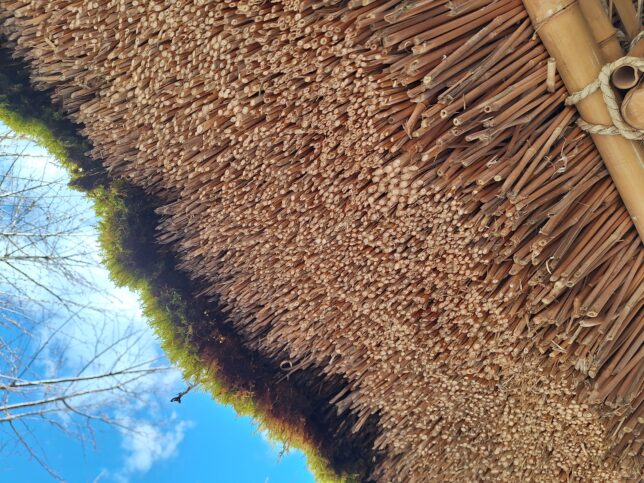
Thatched roofs in Japan, known as kayabuki, primarily use kaya (a general term for thatch) harvested from Miscanthus grass, specifically Japanese pampas grass susuki (Miscanthus sinensis) and kariyasu. Other materials include reed (yoshi), cogongrass (chigaya), and rice straw. These materials are harvested, dried, and bundled to create a durable, insulating 30–40 year roof.
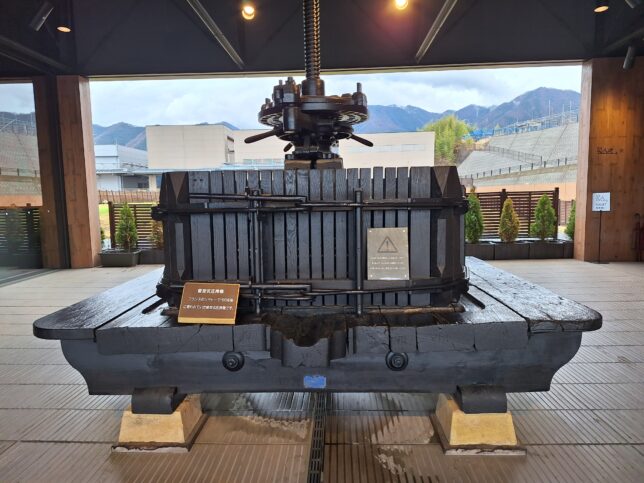
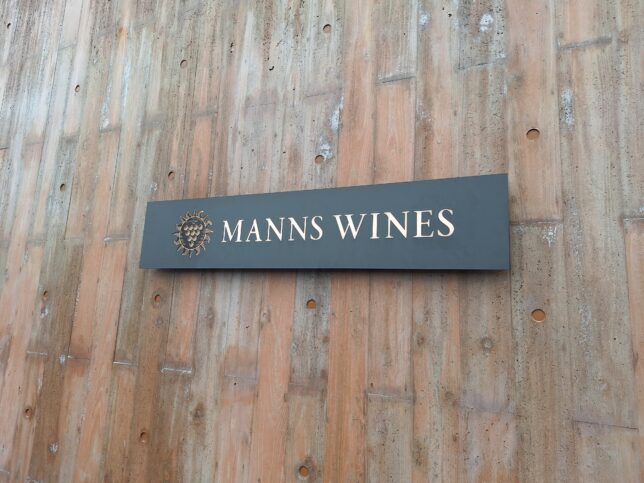
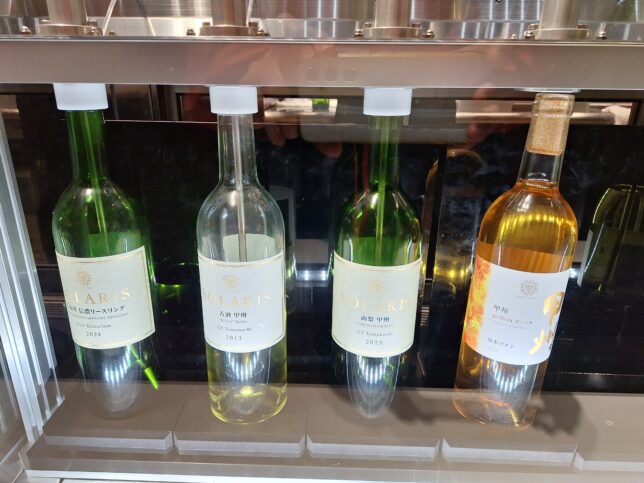
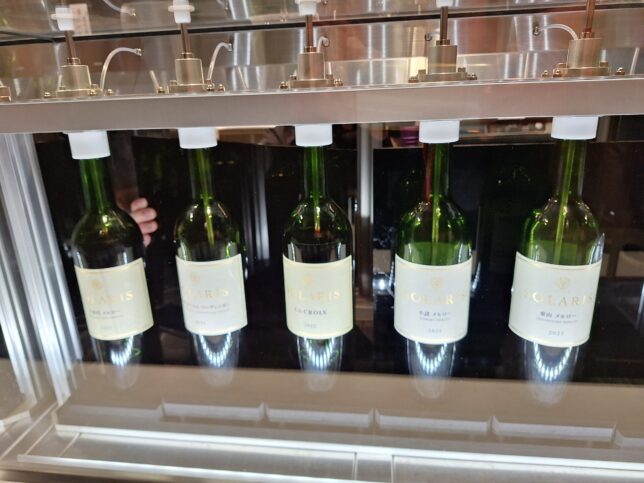
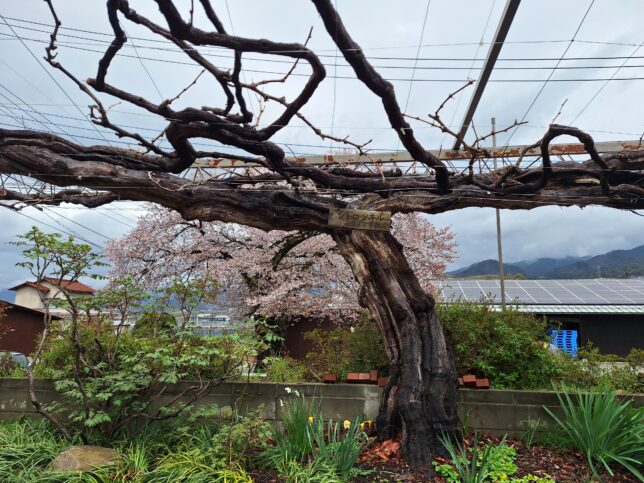
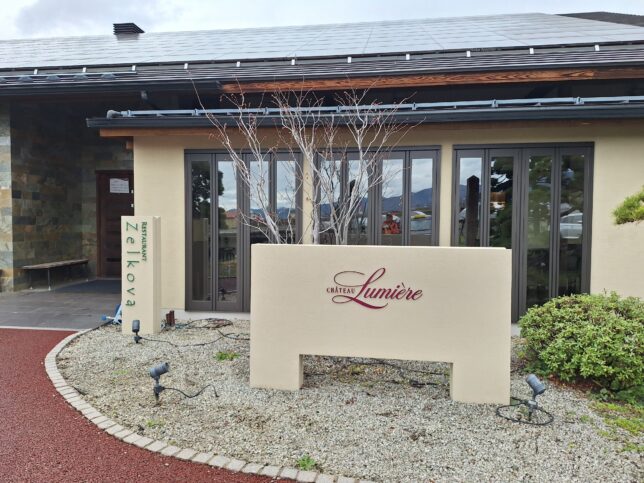
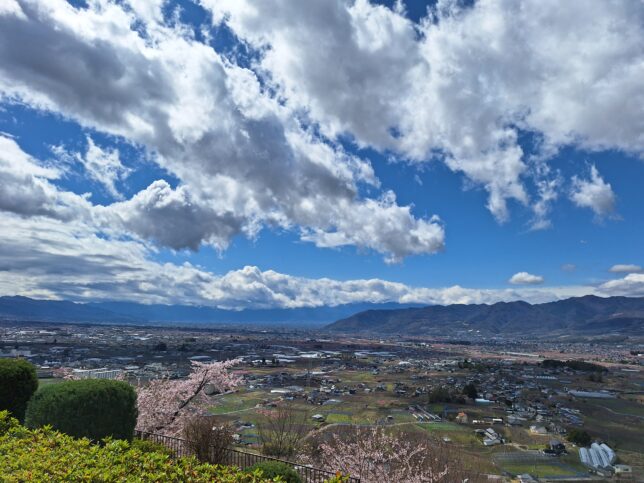
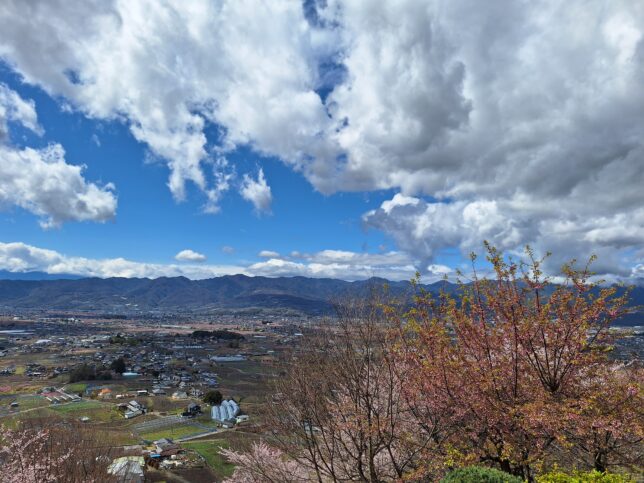
A wine tasting tour for an American couple was conducted on April 2, 2026. Five wineries Grace Winery, Lumiere Winery, Marufuji Winery, Haramono Winery and Manns Wines Katsunuma Winery were visited.
As I previously wrote in my sites (#1 ~ #3), in the town of Katsunuma, located in Koshu City, Yamanashi Prefecture, is renowned as the birthplace of Japanese wine, boasting over 80 wineries concentrated in the area. As Japan’s premier grape-producing region, it offers scenic vineyards, numerous wine tastings, and deep historical roots in wine-making. With a long history and tradition, it’s wine production accounts for about 30% of Japan’s domestic wine.